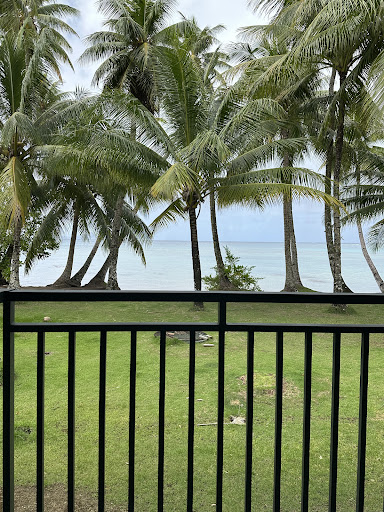
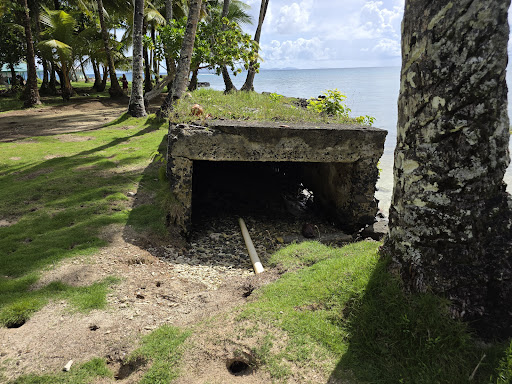
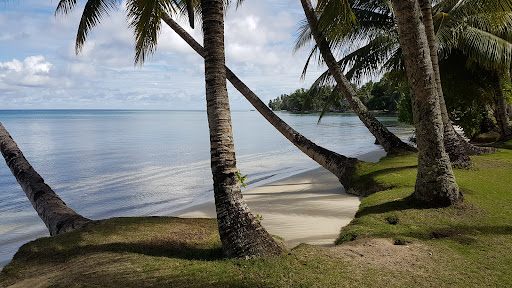
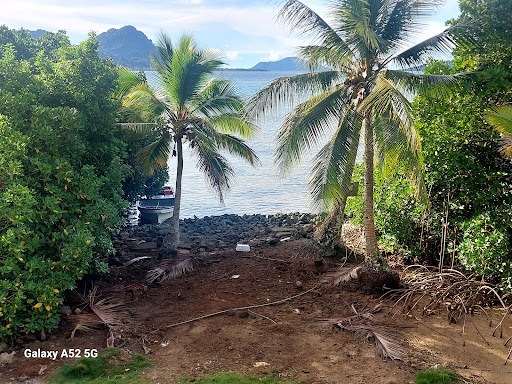
PRO: ||You're in arguably the best place to stay on Chuuk. ||Select staff were friendly (many were not).||The wrecks are incredible to dive. Nowhere else like it.||Some local dive guides really know the wrecks.||Hotel and dive operation were very fair and honest with pricing and billing. Charged only for what we used, even when we left early.||Restaurant prices were reasonable, service ok (we tipped).||Grounds were kept as nice as possible. ||||CON:||You're on an extremely remote island.||Locals live in deprivation and squalor, generally seem hostile to tourists.||Do not leave the resort.||Significant language barrier.||The recently renovated hotel is dilapidated, moldy, dirty, in general disrepair.||Limited wifi connectivity.||Limited food options. Unsanitary conditions.||Dive operations were concerning, to the point of Red Alert and termination of the trip.|||| ||OK let's first consider the remote location, the limited access to everything that must come thousands of miles to get there, the squalor and primitive living conditions of the people, their limited educational opportunities, language barrier to tourists, and an evident culture of hostility toward them, which is frankly understandable.||That considered, it is amazing there is a functioning facility at all on Chuuk.||||Reservations came easily via email, too easy, no credit card asked, no confirmation number, just a reasonable rate for a dive package, again considering where we were going.||||The United Airline Island Hopper got us there from Guam, we were met quickly at the airport and transported expeditiously to the property. Checkin was easy and courteous. Nice people. Staff helped get our heavy bags and gear up some rickety stairs, in various states of repair, with rotting plywood landings of uncertain strength.||||The rooms made me sad. Clearly they spent time and effort renovating during Covid. The showers for example had marble slabs and modern fixtures with overhead and hand sprays, but they hadn't been wiped down probably since installation, so the finishes were corroded and dirty. The beautiful double sink was in similar condition, except the cold water faucets in neither sink worked. Must have been shut off somewhere. But we had no scalding worries, there was no heat to the water coming from sink nor shower. Ever. We saw large pipes fracture and leaking under some of the buildings, one really spraying water like a main. We reported the obvious.||Two towels per room, and a bathmat. Nice spa amenities like soap, lotion, shampoo in a basket.||||The room was comfortably proportioned, with twin double beds equipped with hard mattresses that slipped from the pedestal, exposing a sharp wooden, shin-biting corner. Black mold was evident everywhere, on the ceiling, strong scent of black mold on the pillows and bedding. People felt it when breathing, and got headaches in the room. Hair smelled moldy from the pillows. || ||They had a nice fridge that works, a good safe, and wonderful balconies with two upright chairs and small table, overlooking the water and nicely manicured lawns and gardens. That was truly nice, made me wish they had put similar effort into building and infrastructure maintenance.||||The electric outlets all accepted US plugs in theory, but most were apparently corroded enough to prevent insertion of the plug into the outlet. We unplugged the non-functioning TV and used that outlet as our main receptacle. ||||Wifi signal was variously received in different areas, usually present in our room but not the restaurant nor lobby at all. However bandwidth limitations prevented all but an occasional text from going out. It was truly worthless. Never anything so exotic as sending a photo nor getting online reliably. The lobby's separate wifi never allowed us to connect. There was no connectivity in the restaurant.||||At least our AC worked incredibly well. Our rooms were as cold as you'd want them.||||Regarding the dining experience, they offered a great selection but most things were not available regularly. When they had eggs, the Katsudon was excellent. The hollandaise on the Eggs Benedict on the other hand was a mustard/mayo combo. Truly. Burger was maybe half meat. Steak was shoe-leather thin. French fries were a good crispy staple. When they had tuna sashimi it was reportedly good. Fresh vegetables were nonexistent except cucumbers, which they kindly made into salads for our ladies twice daily. Fresh fruit was mostly limited to apples and bananas. Never anything tropical like mango, papaya, nor citrus except an occasional orange.||||When a container arrived the locals lined up for their provisions; suddenly we had eggs and great bread again. It is Chuuk. They have a small local dry good market on property, selling items you can heat. Ask for a hot pot at the desk to boil water.||We thought the dining room was unclean, and that people must have spilled regularly on the seats. Turned out it was probably rat poop on at least half the chairs; we saw a Big rat ambling through the dining room, along with roaches.||||Our focus was the diving. I've waited almost fifty years for this. We are experienced recreational divers and quickly went on Yellow Alert. This is no PADI dive shop. They checked no credentials. I knew this was going to be challenging diving, but risks can usually be managed. There were so many glaring concerns at this operation we cut our planned number of diving days in half, terminating after just three days/9 dives. While the dive shop manager was extremely nice and went out of his way to please, most everyone else had a significant language barrier and little interaction with us. Some were very nice, but I need more from a dive operation. I concur with other critical remarks made in other reviews. The operation was somewhat chaotic. The O2 analyzers were reportedly malfunctioning, causing great concern. Their O2 membrane separator had failed; staff was manually mixing gases within the tanks. Highly experienced tech divers were openly grousing about critical errors in fills. Fortunately the President of the Micronesia Dive Assn showed up our second day with new O2 analyzers and was trying to inservice the staff, who had uncertain comprehension. This Good Sam just wants to make diving in the area safer for everyone, a great guy, based in Guam.||||Concern increased when some divers in our group experienced repeated headaches during the dives, which relieved mostly during the shore interval, returning next dive. Suspecting contamination, I inspected the pump setup and gladly found electric pumps with no motor exhaust near intakes, but still wonder if the tanks could be contaminated with mold or other contaminants. Everything there was moldy. ||||The dive boats had tanks stacked underfoot, rolling around, biting ankles and feet, being tripped over during egress and entry. No tank holders or racks. The dive ladder had an L-shaped bottom that was guaranteed to hit you in the ribs when trying to board in rough waters. It was one reason I quit diving there, having been repeatedly slammed in the ribcage and sternum. It hurt to breathe. The ladder rungs were round slippery bars, difficult to negotiate. Just not a user-friendly dive boat. There was an O2 tank aboard, and they suspended an extra tank at 20', but the boat was unequipped with any communication ability. There was no connectivity anywhere as it was.||||The knowledge of the guide was impressive. He repeatedly found every wreck instantly, even with submerged buoys. Clearly a life-long wreck diver, this makes for a good guide but not necessarily an attentive dive-master.||While the guide apparently knew his way through the wrecks, language barrier prevented much of a briefing, with very limited plan articulated. On request, he showed us the dive map on day 2 and 3 to help orient us, but I kept asking which sites the night before so we could study the book and know what to expect. That didn't happen. By day 3, I brought the Truk book in a dry bag to quickly consult as we were gearing up, or at our surface interval.|| ||As he led, the guide apparently paid meager attention to the divers. Never checked us or our air supply, rarely looked back, not sure how he would do that in the bowels of a shipwreck anyway, Unsettling reports circulated from other divers about several divers running out of air the prior week, and a death the month before. We quickly realized we were personally responsible for our safety far beyond PADI norm.||||The guide would point his flashlight at various features you'd see if you were right behind him, then move on through the wreck. Several times I was unable to follow into a penetration, too circuitous or narrow; there is no way he would have known. I'd find his bubbles somewhere later as he exited. I had told him at the start that sometimes my ear would stick after ascending then trying to descend again, making such moves impracticable. I don't think he understood, because he repeatedly led us into such situations inside wrecks with no easy backtracking. He also took us through spaces too narrow for me (I'm 250#) and twice I got hung up inside a wreck, fortunately able to unstick myself without agitating the water. ||||There were no ropes nor lines to follow through the ship to help egress if needing to find your own way out, if left behind, if visibility was lost or if lights failed. I'm no expert, but this seems basic in safe wreck penetration. Especially if the guide is far ahead. He did drag an extra air cylinder along with him at least.||||Toward the end of the dive the guide would ascend to 20' and hover, usually exiting the water before everyone left the bottom. You must understand diving here is for competent, self-reliant divers with seasoned buddies. Guides do not babysit nor reportedly manage crisis effectively.||||Although I enjoyed the experience of diving several Marus (Shinkoku, Fujikawa, Rio, Yamagiri, NIppo, Sankisan, Kiyosumi) and airplane wrecks (Betty, Emily), after three days and nine dives the Yellow Alert went to Red Alert. Questionable air tanks and fills, analyzer issues, headaches from the gas mix, suboptimal conditions of the dive boat, repeated chest injuries from the ladder, poor communication, lacking safety procedures, and discomfort at facing my nightmares of getting stuck or being unable to descend back down to an exit; the sum of all fears made me listen to red flags and abort. ||||In 40 years of diving I've never done that! Never would I have considered missing a dive, certainly not at a bucket list destination. Just as I never passed on a skydive in 20 years nor a formation/aerobatic airshow performance in 30. I'd ski from first lift to last run. But I had finally had enough of this. Adhering to the safety culture of risk management I've learned in over fifty years of adrenaline sports, concerned for myself and fellow divers, we terminated our dive trip, departing for Guam ASAP (which was quite difficult to arrange with such poor wifi connectivity), escaping the moldy, sadly dilapidated conditions at the resort and the unacceptable risk of continuing to dive here.||||I am very glad we went to Chuuk and made some dives. Longstanding dive expectations 95% fulfilled. With compassion I understand how difficult it is for these people in this remote location, but I am saddened by the disrepair to which the new renovations have rapidly fallen, and remain justifiably frightened for the safety of less sophisticated and seasoned divers who...
Read more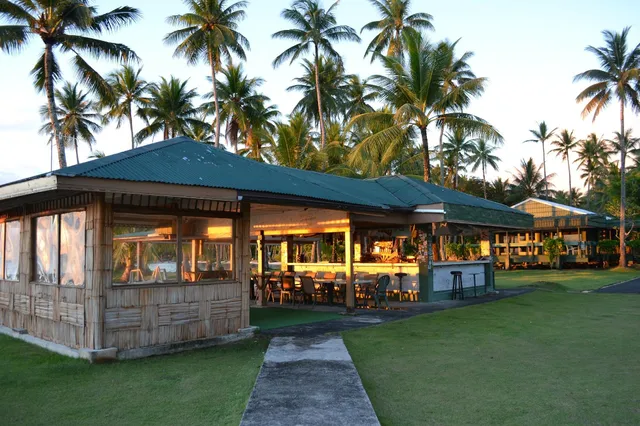
 Learn more insights from Wanderboat AI.