Lake Natron is a shallow, saline lake located in northern Tanzania, near the Kenyan border.
Description:
Lake Natron is approximately 100 km long and 30 km wide, covering an area of about 2,000 square kilometers. The lake is a terminal lake, meaning it has no outlet to the ocean, and its water level and salinity levels fluctuate greatly depending on the season. The lake's water is extremely alkaline, with a pH level of up to 10.5, making it one of the most alkaline bodies of water in the world.
History:
Lake Natron has been a significant source of salt and minerals for local communities for centuries. The lake's unique properties were also recognized by ancient civilizations, with evidence of salt mining dating back to the 12th century.
In the early 20th century, the lake was exploited for its natron, a naturally occurring mineral salt used in the production of glass and soap. The lake's salt deposits were also used to preserve bodies in ancient Egypt.
Wildlife and Conservation:
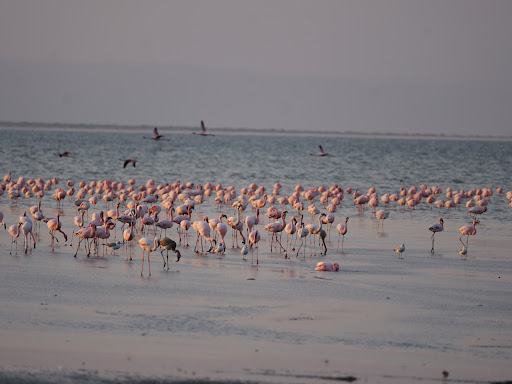
Lake Natron is a critical breeding ground for the Lesser Flamingo (Phoeniconaias minor), with over 2.5 million birds calling the lake home. The lake's unique chemistry supports a diverse range of microorganisms, which in turn support the flamingos' food chain.
However, the lake faces several threats, including:
Climate change, which affects the lake's water levels and salinity Mining and quarrying activities, which damage the lake's ecosystem Agricultural runoff, which introduces pollutants into the lake Habitat destruction, which threatens the flamingos' breeding grounds
Conservation Efforts:
Several organizations, including the Tanzanian government, the World Wildlife Fund (WWF), and the International Union for Conservation of Nature (IUCN), are working to protect Lake Natron's ecosystem. Efforts include:
Monitoring and research programs to understand the lake's unique chemistry and ecosystem Community-based conservation initiatives to engage local populations in conservation efforts Habitat restoration and protection programs to safeguard the flamingos' breeding grounds Advocacy campaigns to raise awareness about the lake's importance and the threats it faces
Fun Fact:
Lake Natron's unique chemistry can preserve dead animals, turning them into "stone" through a process called permineralization. This has led to the discovery of many fossilized remains, including birds, bats, and even trees.
Please note that due to the lake's sensitive ecosystem and conservation status, tourism is limited, and visitors are required to obtain...
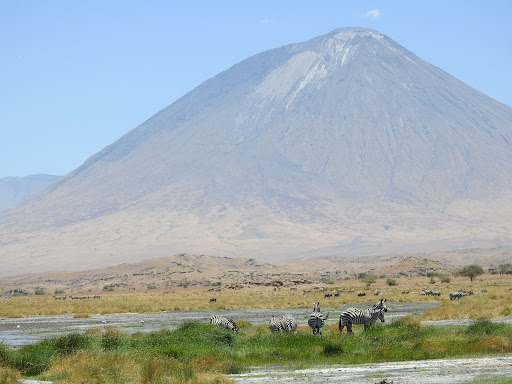
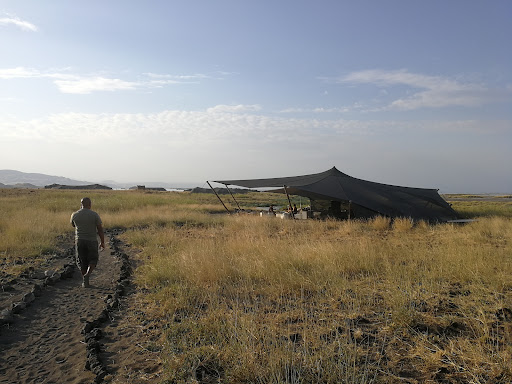
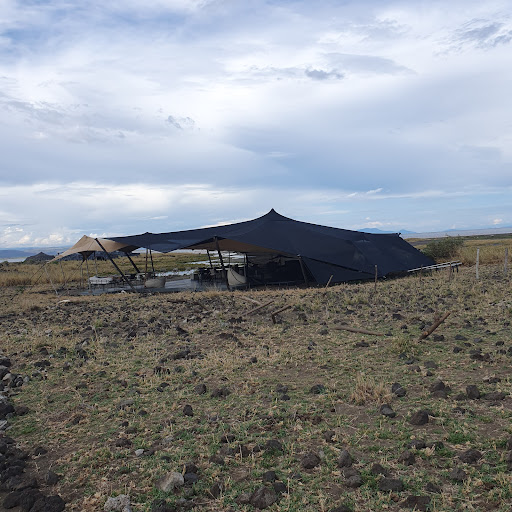
Read moreWe stayed at mostly mid-range tented camps on our nine-day safari with Tanzania Journeys (I highly recommend them) but Lake Natron Camp was our splurge and it was totally worth it. Going to this region was a highlight of our trip - it was awesome to be able to hike (and not worry about lions), go birding, and relax at Lake Natron. We spent two nights here and wish it had been more. Our tent looked right out over the lake and we had incredible views of the flamingos, zebras, and wildebeest right from our tent. All of our activities were led by a Maasi guide, Lemra, who was a joy to spend time with. We walked out to the flamingos, hiked up the Great Rift Valley in the pouring rain (Lemra said we were the first people to do that with him, most others cancel--can I just say a rainy hike is totally worth and is super fun!), hiked to the waterfall, and received a tour around the main town (Maasi women will tightly surround you trying to sell you stuff, I found this to be overwhelming and it resulted in me buying nothing although I would have been interested if they were less pushy). The food at the camp was the best we had on the safari, wish other camps could emulate this one! It was a nice surprise to learn that all the drinks were included in the price of the stay. Eating in the tent was an opportunity to enjoy lovely little swifts (birds) flying around the main tent.||A few notes, the wind is present and totally out of control (obviously) of the camp owners. One night we had a strong wind storm and the tent flapped loudly, the other night was calm and the tent was also calm. Earplugs helped me to an extent but I did not sleep well that first night, my husband slept through all of it. I would still go back, strong wind or not! The bed was very comfortable and the bathroom was just fine. I think some people forget where they are when they complain about the toilet, I felt grateful to simply have one in the tent. I always want more hooks to hang stuff, especially when it has been raining, but we got creative. Bring a rain jacket! I LOVED the fact there was a mini-screened in porch in front of the main tent. One day we hiked in the morning, came back and had tea in the porch while watching the flamingos fly over us, and then went for another hike. The staff are lovely. I am personally interested, after this visit, in seeking ways to responsibility and respectfully elevate, educate, and empower Maasi women beyond them just selling...
Read moreAn incredible camp in a stunning location and amazing staff especially with its full eco credentials ||The location of the camp, sharing space with its own zebras who happily drink from the natural pool whilst you enjoy a morning coffee in the mess tent and watch the world wake up and the horizon turning pink as the flamingos come into focus ||Tents are brilliantly set up with super comfortable beds, outside seating and an eco bathroom ||Delicious food served with humour by the excellent camp crew led by Saringe and Doudie for whom nothing is too much to offer |Be sure to ask them loads of questions to understand the better understand the local community and if Baraka is on site, ask about the work the camp are doing to support the local community including the cultural boma and the shamba (vegetable garden) in Engarosero - and the tree planting ||Be sure to walk out across the lake bed to get close to the incredible birdlife and listen out to the crack of the salt crust as you walk across it ||For those who feel adventurous then take a drive and walk up to the waterfall through the river (don’t forget to count the number of giraffe you see on the way in and out to the main road) and for those who have a lot of energy then ask to climb Ol Doinyo Lengai but be prepared it starts at midnight ||For those looking to just relax, sure to arrange sundowners on the hill overlooking the camp ||BTW - the sound of a car alarm isn’t - it’s a Long...
Read more