HTML SitemapExplore

Arghandab Dam — Local services in Kandahar Province

Name
Arghandab Dam
Description
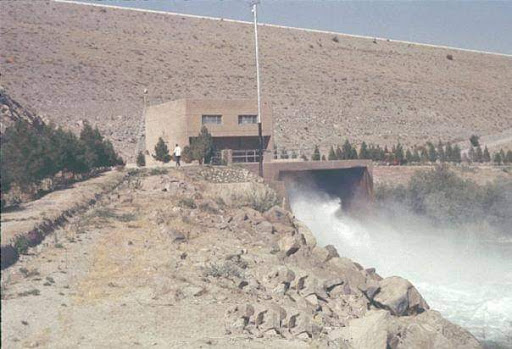
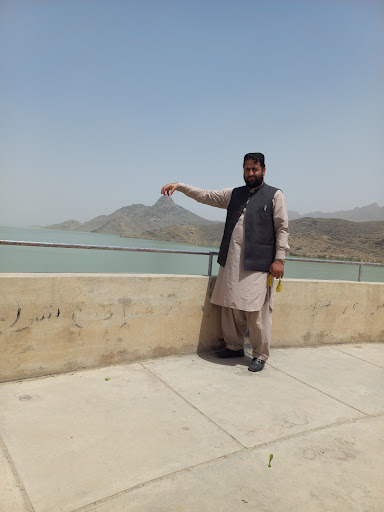
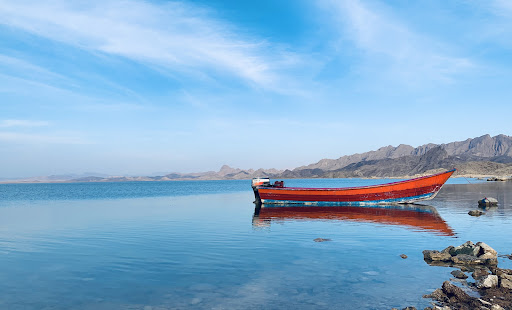
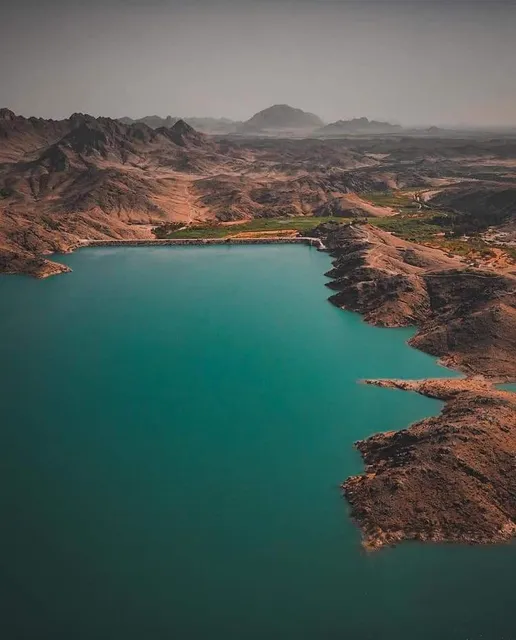
The Dahla Dam, also known as Arghandab Dam and Kasa, is located in the Shah Wali Kot District of Kandahar Province in Afghanistan, approximately 40 kilometres north of the provincial capital Kandahar. Constructed in 1952, it is said to be the second largest dam in Afghanistan.
Nearby attractions
Nearby restaurants
Nearby local services
Nearby hotels
Related posts
Keywords
Arghandab Dam tourism.Arghandab Dam hotels.Arghandab Dam bed and breakfast. flights to Arghandab Dam.Arghandab Dam attractions.Arghandab Dam restaurants.Arghandab Dam local services.Arghandab Dam travel.Arghandab Dam travel guide.Arghandab Dam travel blog.Arghandab Dam pictures.Arghandab Dam photos.Arghandab Dam travel tips.Arghandab Dam maps.Arghandab Dam things to do.
Arghandab Dam things to do, attractions, restaurants, events info and trip planning
Arghandab Dam
AfghanistanKandahar ProvinceArghandab Dam

Basic Info

Arghandab Dam

Afghanistan
4.5(26)
Save
spot

Ratings & Description

Info

The Dahla Dam, also known as Arghandab Dam and Kasa, is located in the Shah Wali Kot District of Kandahar Province in Afghanistan, approximately 40 kilometres north of the provincial capital Kandahar. Constructed in 1952, it is said to be the second largest dam in Afghanistan.

Outdoor
Scenic
Relaxation
Family friendly
Off the beaten path
attractions: , restaurants: , local businesses:
logoLearn more insights from Wanderboat AI.

Plan your stay

hotel
Pet-friendly Hotels in Kandahar Province
Find a cozy hotel nearby and make it a full experience.
hotel
Affordable Hotels in Kandahar Province
Find a cozy hotel nearby and make it a full experience.
hotel
The Coolest Hotels You Haven't Heard Of (Yet)
Find a cozy hotel nearby and make it a full experience.
hotel
Trending Stays Worth the Hype in Kandahar Province
Find a cozy hotel nearby and make it a full experience.

Reviews

Get the Appoverlay
Get the AppOne tap to find yournext favorite spots!
Wanderboat LogoWanderboat

Your everyday Al companion for getaway ideas

CompanyAbout Us
InformationAI Trip PlannerSitemap
SocialXInstagramTiktokLinkedin
LegalTerms of ServicePrivacy Policy

Get the app

© 2025 Wanderboat. All rights reserved.

Posts

Naqib NajeebNaqib Najeeb
The Dahla Dam was originally built between 1950 and 1952 when relations between Afghanistan and the United States were beginning to quickly develop. It is 55 metres in height. The length of the dam at the crest is about 535 metres. In the periphery of the dam six saddle dams have been built which together measure 2,040 metres and with varying heights of 15–25 metres. To pass the design flood discharge two spillway structures have been built. To release water for irrigation to the canal system low level sluices have been built at the downstream toe of the dam with two control valves of the Howell-Bunger type which function as energy dissipation bypass valves. The reservoir created by the dam has a storage capacity of 314 MCM. The irrigation system designed to provide irrigation to 30,000 hectares of land in the Kandahar province consisted of 77.6 kilometres of the main canal and 415 kilometres of branch canals; with the main canal designed to carry a discharge of 42.5 cubic metres per second. The dam and the irrigation system are under the control of the Helmand and Arghandab Valley Authority. After completion of the dam in 1952, it functioned well for many decades. Rehabilitation was In the first phase the rehabilitation works were carried out by Canada during the period from 2009 to 2012 under the project titled "Arghandab Irrigation Rehabilitation Project" at a cost of nearly $44 million US dollars. In the second phase Raising the height of the dam is seen crucial to increasing the volume of available water, which has reduced to around 290 million cubic meters from about 500 million cubic meters water. The work was initiated by the U.S. Army Corps of Engineers but then abandoned due to a financial issue with the Afghan government. The third phase of the project was scheduled to be completed in 2024. The third phase of the project will provide water to Kandahar City. It will help hundreds of thousands of families to have access to drinking water after it is processed. Meanwhile, three turbines will be installed on the dam. Each of them will produce eight megawatts of power. All the turbines will generate 22 megawatts of power.
Muhammad Qaseem MahmoodMuhammad Qaseem Mahmood
Built some 70 years ago, Excellent place to visit. calm and peaceful. Clean water
KhanKhan
Dahla Dam is the largest and only dam in Kandahar, built by America.
See more posts
See more posts
hotel
Find your stay

Pet-friendly Hotels in Kandahar Province

Find a cozy hotel nearby and make it a full experience.

The Dahla Dam was originally built between 1950 and 1952 when relations between Afghanistan and the United States were beginning to quickly develop. It is 55 metres in height. The length of the dam at the crest is about 535 metres. In the periphery of the dam six saddle dams have been built which together measure 2,040 metres and with varying heights of 15–25 metres. To pass the design flood discharge two spillway structures have been built. To release water for irrigation to the canal system low level sluices have been built at the downstream toe of the dam with two control valves of the Howell-Bunger type which function as energy dissipation bypass valves. The reservoir created by the dam has a storage capacity of 314 MCM. The irrigation system designed to provide irrigation to 30,000 hectares of land in the Kandahar province consisted of 77.6 kilometres of the main canal and 415 kilometres of branch canals; with the main canal designed to carry a discharge of 42.5 cubic metres per second. The dam and the irrigation system are under the control of the Helmand and Arghandab Valley Authority. After completion of the dam in 1952, it functioned well for many decades. Rehabilitation was In the first phase the rehabilitation works were carried out by Canada during the period from 2009 to 2012 under the project titled "Arghandab Irrigation Rehabilitation Project" at a cost of nearly $44 million US dollars. In the second phase Raising the height of the dam is seen crucial to increasing the volume of available water, which has reduced to around 290 million cubic meters from about 500 million cubic meters water. The work was initiated by the U.S. Army Corps of Engineers but then abandoned due to a financial issue with the Afghan government. The third phase of the project was scheduled to be completed in 2024. The third phase of the project will provide water to Kandahar City. It will help hundreds of thousands of families to have access to drinking water after it is processed. Meanwhile, three turbines will be installed on the dam. Each of them will produce eight megawatts of power. All the turbines will generate 22 megawatts of power.
Naqib Najeeb

Naqib Najeeb

hotel
Find your stay

Affordable Hotels in Kandahar Province

Find a cozy hotel nearby and make it a full experience.

Get the Appoverlay
Get the AppOne tap to find yournext favorite spots!
Built some 70 years ago, Excellent place to visit. calm and peaceful. Clean water
Muhammad Qaseem Mahmood

Muhammad Qaseem Mahmood

hotel
Find your stay

The Coolest Hotels You Haven't Heard Of (Yet)

Find a cozy hotel nearby and make it a full experience.

hotel
Find your stay

Trending Stays Worth the Hype in Kandahar Province

Find a cozy hotel nearby and make it a full experience.

Dahla Dam is the largest and only dam in Kandahar, built by America.
Khan

Khan

See more posts
See more posts

Reviews of Arghandab Dam

4.5
(26)
avatar
5.0
3y

The Dahla Dam was originally built between 1950 and 1952 when relations between Afghanistan and the United States were beginning to quickly develop. It is 55 metres in height. The length of the dam at the crest is about 535 metres. In the periphery of the dam six saddle dams have been built which together measure 2,040 metres and with varying heights of 15–25 metres. To pass the design flood discharge two spillway structures have been built. To release water for irrigation to the canal system low level sluices have been built at the downstream toe of the dam with two control valves of the Howell-Bunger type which function as energy dissipation bypass valves. The reservoir created by the dam has a storage capacity of 314 MCM. The irrigation system designed to provide irrigation to 30,000 hectares of land in the Kandahar province consisted of 77.6 kilometres of the main canal and 415 kilometres of branch canals; with the main canal designed to carry a discharge of 42.5 cubic metres per second. The dam and the irrigation system are under the control of the Helmand and Arghandab Valley Authority. After completion of the dam in 1952, it functioned well for many decades. Rehabilitation was In the first phase the rehabilitation works were carried out by Canada during the period from 2009 to 2012 under the project titled "Arghandab Irrigation Rehabilitation Project" at a cost of nearly $44 million US dollars. In the second phase Raising the height of the dam is seen crucial to increasing the volume of available water, which has reduced to around 290 million cubic meters from about 500 million cubic meters water. The work was initiated by the U.S. Army Corps of Engineers but then abandoned due to a financial issue with the Afghan government. The third phase of the project was scheduled to be completed in 2024. The third phase of the project will provide water to Kandahar City. It will help hundreds of thousands of families to have access to drinking water after it is processed. Meanwhile, three turbines will be installed on the dam. Each of them will produce eight megawatts of power. All the turbines will generate 22...

   Read more

avatar
3.0
7y

Perfect view and a place to give a rest for your soul. Unfortunately there is no food or drink or any kind of shop or restaurant, don't forget to bring everything and dress...

   Read more
avatar
5.0
4y

A big dum or water storage in Kandahar Shah Wali Kot district that most of the people visit it...

   Read more
Page 1 of 4
Previous
Next