HTML SitemapExplore

Grossglockner High Alpine Road — Local services in Rauris

Name
Grossglockner High Alpine Road
Description
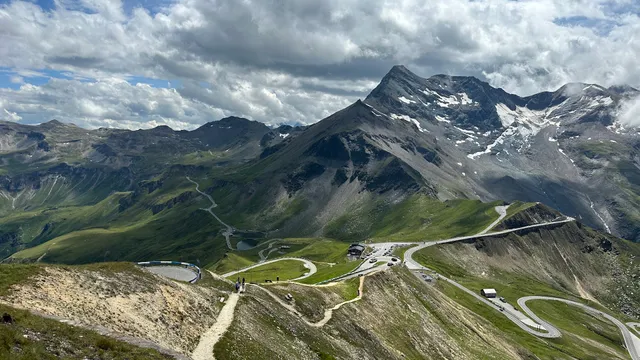
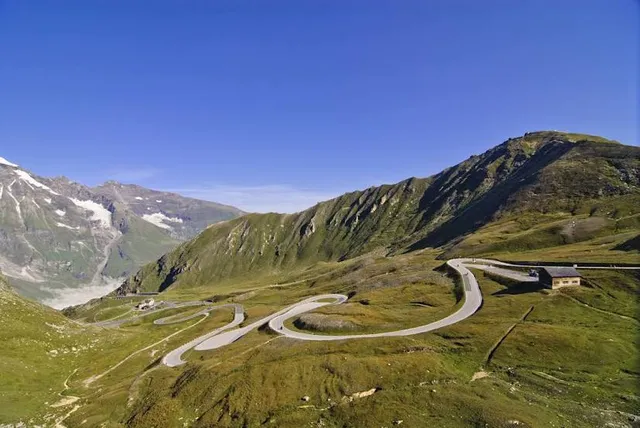
The Grossglockner High Alpine Road is the highest surfaced mountain pass road in Austria. It connects Bruck in the state of Salzburg with Heiligenblut in Carinthia via Fuscher Törl at 2,428 m and Hochtor Pass at 2,504 m. The road is named after the Grossglockner, Austria's highest mountain.
Nearby attractions
Großglockner Hochalpenstraße
Seidlwinkl 56, 5672 Fusch an der Großglocknerstraße, Austria
Nearby restaurants
Nearby local services
Nearby hotels
Related posts
Keywords
Grossglockner High Alpine Road tourism.Grossglockner High Alpine Road hotels.Grossglockner High Alpine Road bed and breakfast. flights to Grossglockner High Alpine Road.Grossglockner High Alpine Road attractions.Grossglockner High Alpine Road restaurants.Grossglockner High Alpine Road local services.Grossglockner High Alpine Road travel.Grossglockner High Alpine Road travel guide.Grossglockner High Alpine Road travel blog.Grossglockner High Alpine Road pictures.Grossglockner High Alpine Road photos.Grossglockner High Alpine Road travel tips.Grossglockner High Alpine Road maps.Grossglockner High Alpine Road things to do.
Grossglockner High Alpine Road things to do, attractions, restaurants, events info and trip planning
Grossglockner High Alpine Road
AustriaSalzburgRaurisGrossglockner High Alpine Road

Basic Info

Grossglockner High Alpine Road

5661, Austria
4.8(1.5K)
Save
spot

Ratings & Description

Info

The Grossglockner High Alpine Road is the highest surfaced mountain pass road in Austria. It connects Bruck in the state of Salzburg with Heiligenblut in Carinthia via Fuscher Törl at 2,428 m and Hochtor Pass at 2,504 m. The road is named after the Grossglockner, Austria's highest mountain.

Outdoor
Adventure
Accessibility
attractions: Großglockner Hochalpenstraße, restaurants: , local businesses:
logoLearn more insights from Wanderboat AI.

Plan your stay

hotel
Pet-friendly Hotels in Rauris
Find a cozy hotel nearby and make it a full experience.
hotel
Affordable Hotels in Rauris
Find a cozy hotel nearby and make it a full experience.
hotel
The Coolest Hotels You Haven't Heard Of (Yet)
Find a cozy hotel nearby and make it a full experience.
hotel
Trending Stays Worth the Hype in Rauris
Find a cozy hotel nearby and make it a full experience.

Reviews

Nearby attractions of Grossglockner High Alpine Road

Großglockner Hochalpenstraße

Großglockner Hochalpenstraße

Großglockner Hochalpenstraße

4.8

(3.7K)

Open 24 hours
Click for details
Get the Appoverlay
Get the AppOne tap to find yournext favorite spots!
Wanderboat LogoWanderboat

Your everyday Al companion for getaway ideas

CompanyAbout Us
InformationAI Trip PlannerSitemap
SocialXInstagramTiktokLinkedin
LegalTerms of ServicePrivacy Policy

Get the app

© 2025 Wanderboat. All rights reserved.

Reviews of Grossglockner High Alpine Road

4.8
(1,508)
avatar
5.0
21w

Very important for all car lovers read before going up.

The primary reason for the decrease in performance and the struggle to go uphill is thinner air. Less Oxygen for Combustion: Internal combustion engines, like the one in your Subaru, need a precise mix of air and fuel to create the power that moves the car. As you climb to higher altitudes, the air becomes less dense, meaning there are fewer oxygen molecules in the same volume of air. Reduced Power Output: With less oxygen available for combustion, your engine cannot burn fuel as efficiently. This directly translates to a significant drop in power and torque. For naturally aspirated engines (which is what your 2.5L engine is, as opposed to a turbocharged one), a general rule of thumb is a power loss of about 3% for every 1,000 feet (about 300 meters) of elevation gain. The Grossglockner High Alpine Road reaches an altitude of approximately 2,500 meters (over 8,000 feet), which would have caused a substantial power reduction in your car. The Engine's "Struggle": To compensate for the lack of power, your engine has to work much harder. This is why you likely noticed it revving higher and feeling strained, especially on the steep inclines of the road. It's essentially trying to make up for the power it's lost due to the thin air. Why Fuel Consumption Was So High The extremely high fuel consumption (40 liters) is also a direct result of the high altitude and the car's effort to compensate. Increased Engine Load: As mentioned above, your engine was working much harder than it would at sea level. To maintain speed and climb the steep road, the engine's computer (ECU) was likely commanding more fuel to be injected to try and produce the necessary power, even with the limited oxygen. Constant High RPMs: The car's CVT (Continuously Variable Transmission) would have kept the engine at a higher RPM (revolutions per minute) for a prolonged period to get the most out of the available power. Driving at high RPMs under a heavy load is very fuel-intensive. While 40 liters of consumption sounds incredibly high, it's not surprising given the combination of a very long, steep climb, the effects of high altitude on a naturally aspirated engine, and the constant strain on your vehicle. It is a completely normal reaction to those conditions. In summary, the issues you experienced were not due to any mechanical problems with your car. They are the expected and normal effects of driving a naturally aspirated gasoline engine at a high altitude on a challenging...

   Read more
avatar
5.0
1y

Come organiz per percorrere la strada del Grossglockner Si tratta di una strada alpina privata a pedaggio ottimamente manutenuta (direi invidiabilmente gestita! ), aperta da maggio fino alla fine di novembre. Il costo per le auto é di 43 euro. I camper con portata inferiore ai 35 ql pagano come le auto. Camper con portata tra 35 ql e fino a 75 ql pagano 52,50 euro. La tariffa per i Camper giganti (sopra le 7,5 tonnellate) è di 135 euro. Tariffe estate 2024. Ma restiamo con i piedi per terra :-). La tariffa potrebbe sembrare esosa, ma il paesaggio merita davvero e credo sia in parte giustificato. Va detto anche che  le strutture presenti e la condizione generale dell'intero percorso giustifiano gli enormi costi di gestione (si legga oltre). Tra l'altro  i parcheggi (molti con addetti che sorvegliano e gestiscono il flusso) sono gratuiti. Sono presenti moltissimi spazi per soste brevi (per la classica foto) o soste prolungate, come ad esempio escursioni, salite ai rifugi, visite delle strutture, ristoranti, bar, negozi di souvenir, etc. Attenzione, non é permesso dormire né  campeggiare sull' intera area compresa tra i caselli. Quindi no tende, no roulotte, no camper. In Austria non si scherza con i divieti. Sono capaci di far esplodere la terza guerra mondiale se vi beccano. In alcuni punti la carreggiata a due corsie, diventa a tre corsie,  per agevolare i sorpassi dei  veicoli più lenti (in Austria  è frequente  il "raddoppio" di corsia nelle strade di montagna). È davvero una bella trovata, anche per i motociclisti che non azzarda o imprudente sorpassi. Oltre alle numerose moto, troverete anche molti ciclisti. É frequente incontrare anche i veri ciclisti, quelli che confidano solo sui loro muscoletti ovvero senza e-bike, ai quali va tutta la mia ammirazione. La strada si può percorrere nei due sensi ovvero da Heiligenblut (via più breve per noi italiani o per chi proviene da Villach o da Lienz). L'altra via di accesso è da nord, precisamente da Fusch. Il lavoro per lo sgombero della neve é disumano...ogni anno in aprile,15 uomini con 4 frese, per tre settimane in media, asportano qualcosa come 600.000 metri cubi di neve dalle strade e dai parcheggi che ospiteranno circa 4.000 auto. Per dare l'idea  corrisponde ad un treno lungo 180 km. Il record nel 1975 è stato di 800.000 mc con cumuli di neve alti anche 21 metri! Non oso immaginare le imprecazioni se, a lavoro ultimato, avesse ripreso a nevicare! Forse per questo ci sono tanti crocifissi in giro. Comunque gli addetti di oggi non si devono lamentare perché nel 1935 ben 350 persone  dovevano lavorare per 70 giorni con pale e senza le frese (che tra l'altro vedrete parcheggiate in punti strategici) L'intero percorso è di 48 km con 36 tornanti e vi porterà a quota 2571 m (cima Stella Alpina - Edelweiss Spitze). Ufficialmente la strada del Grossglockner termina alla Kaiser Franz Josefs Höhe a quota 2369 metri. In quest'ultimo punto si arriva anche con il bus da Heiligenblut ed è presente un parcheggio a tre piani. Il Fraz Josef  é una tra le tappe d'obbligo in quanto si trova di fronte al ghiacciaio Pasterze (il più lungo delle Alpi Orientali) e qui si capisce l'immensità. Sono presenti moltissime tabelle tematiche nelle quali spesso viene evidenziato quanto il ghiacciaio si sia ridotto in poco più di un secolo. La parte inferiore del ghiacciaio é grigio scuro (sembra più roccia che non ghiaccio). Per chi sale da Heiligenblut,  dopo circa 6, 7 km si troverà ad un bivio. È opportuno girare a sinistra in direzione Schöneck e Kaiser Franz Josefs Höhe. Questo tratto dovrà essere percorso nuovamente a ritroso  per poi completare il percorso e dirigersi verso Hochtor-Fuscher Lake-Fuscher Törl e scendere dall'altra parte della montagna che conduce a Fuschertal. Nell'intero percorso non ho visto distributori. In discesa, marcia bassa e usare i freni con moderazione, alcuni tratti sono piuttosto pendenti. Molti cartelli richiamano l'attenzione sui freni! Per maggiori info leggete la mia recensione su TripAdvisor....

   Read more

avatar
5.0
2y

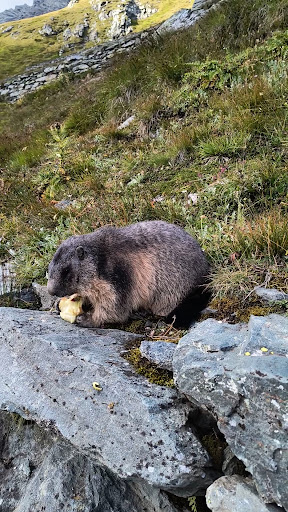
The Grossglockner High Mountain Road is one of the most breathtaking panoramic roads in Europe. Beautiful wild nature all around. The route of the road crosses several climatic zones. It leads through fragrant dark green forests, past beautiful flowering meadows and massive alpine giants to the Emperor Franz Josef Height (2571 m). Here you can see the Pasterze glacier, the longest in the Eastern Alps. This area is a paradise for marmots, chamois and even rare ibex. This great work of human hands and a unique cultural monument, on its 48 km long route, makes its way directly into the heart of the Hohe Tauern National Park, to Austria's highest mountain, the Grossglockner, where the fascinating world of glaciers opens up.

It is a paradise for both motorists and nature lovers. A toll is paid for entering the road. And not exactly small, 40 EUR per day for a passenger car. But definitely worth it, and you won't regret it. And when going downhill, watch out for the brakes or you'll lose your lining. :-)

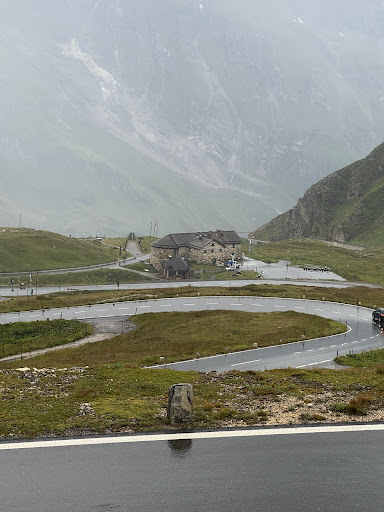
It would seem that we were unlucky with the weather. It was raining and there were clouds and fog. But it didn't matter at all. This place is beautiful even in this weather. And completely different than when it's nice (which we enjoyed the next day). Those mountains in those clouds and fog have a special,...

   Read more
Page 1 of 7
Previous
Next

Posts

Miodrag CehajicMiodrag Cehajic
Very important for all car lovers read before going up. The primary reason for the decrease in performance and the struggle to go uphill is thinner air. * Less Oxygen for Combustion: Internal combustion engines, like the one in your Subaru, need a precise mix of air and fuel to create the power that moves the car. As you climb to higher altitudes, the air becomes less dense, meaning there are fewer oxygen molecules in the same volume of air. * Reduced Power Output: With less oxygen available for combustion, your engine cannot burn fuel as efficiently. This directly translates to a significant drop in power and torque. For naturally aspirated engines (which is what your 2.5L engine is, as opposed to a turbocharged one), a general rule of thumb is a power loss of about 3% for every 1,000 feet (about 300 meters) of elevation gain. The Grossglockner High Alpine Road reaches an altitude of approximately 2,500 meters (over 8,000 feet), which would have caused a substantial power reduction in your car. * The Engine's "Struggle": To compensate for the lack of power, your engine has to work much harder. This is why you likely noticed it revving higher and feeling strained, especially on the steep inclines of the road. It's essentially trying to make up for the power it's lost due to the thin air. Why Fuel Consumption Was So High The extremely high fuel consumption (40 liters) is also a direct result of the high altitude and the car's effort to compensate. * Increased Engine Load: As mentioned above, your engine was working much harder than it would at sea level. To maintain speed and climb the steep road, the engine's computer (ECU) was likely commanding more fuel to be injected to try and produce the necessary power, even with the limited oxygen. * Constant High RPMs: The car's CVT (Continuously Variable Transmission) would have kept the engine at a higher RPM (revolutions per minute) for a prolonged period to get the most out of the available power. Driving at high RPMs under a heavy load is very fuel-intensive. While 40 liters of consumption sounds incredibly high, it's not surprising given the combination of a very long, steep climb, the effects of high altitude on a naturally aspirated engine, and the constant strain on your vehicle. It is a completely normal reaction to those conditions. In summary, the issues you experienced were not due to any mechanical problems with your car. They are the expected and normal effects of driving a naturally aspirated gasoline engine at a high altitude on a challenging alpine road.
Your browser does not support the video tag.
Alex N.Alex N.
the road is great, the view is awesome. but be aware that there is a LOT of traffic. cars, tourist busses, motobikes, roadbikes. even on workdays. and be aware that there are lots of people in sportscars who mistake this wonderful road for a racetrack. still 5/5 for the view if you ignore the masses of people and the wannabe racers.
Cinque QuattroCinque Quattro
Come organiz per percorrere la strada del Grossglockner Si tratta di una strada alpina privata a pedaggio ottimamente manutenuta (direi invidiabilmente gestita! ), aperta da maggio fino alla fine di novembre. Il costo per le auto é di 43 euro. I camper con portata inferiore ai 35 ql pagano come le auto. Camper con portata tra 35 ql e fino a 75 ql pagano 52,50 euro. La tariffa per i Camper giganti (sopra le 7,5 tonnellate) è di 135 euro. Tariffe estate 2024. Ma restiamo con i piedi per terra :-). La tariffa potrebbe sembrare esosa, ma il paesaggio merita davvero e credo sia in parte giustificato. Va detto anche che  le strutture presenti e la condizione generale dell'intero percorso giustifiano gli enormi costi di gestione (si legga oltre). Tra l'altro  i parcheggi (molti con addetti che sorvegliano e gestiscono il flusso) sono gratuiti. Sono presenti moltissimi spazi per soste brevi (per la classica foto) o soste prolungate, come ad esempio escursioni, salite ai rifugi, visite delle strutture, ristoranti, bar, negozi di souvenir, etc. Attenzione, non é permesso dormire né  campeggiare sull' intera area compresa tra i caselli. Quindi no tende, no roulotte, no camper. In Austria non si scherza con i divieti. Sono capaci di far esplodere la terza guerra mondiale se vi beccano. In alcuni punti la carreggiata a due corsie, diventa a tre corsie,  per agevolare i sorpassi dei  veicoli più lenti (in Austria  è frequente  il "raddoppio" di corsia nelle strade di montagna). È davvero una bella trovata, anche per i motociclisti che non azzarda o imprudente sorpassi. Oltre alle numerose moto, troverete anche molti ciclisti. É frequente incontrare anche i veri ciclisti, quelli che confidano solo sui loro muscoletti ovvero senza e-bike, ai quali va tutta la mia ammirazione. La strada si può percorrere nei due sensi ovvero da Heiligenblut (via più breve per noi italiani o per chi proviene da Villach o da Lienz). L'altra via di accesso è da nord, precisamente da Fusch. Il lavoro per lo sgombero della neve é disumano...ogni anno in aprile,15 uomini con 4 frese, per tre settimane in media, asportano qualcosa come 600.000 metri cubi di neve dalle strade e dai parcheggi che ospiteranno circa 4.000 auto. Per dare l'idea  corrisponde ad un treno lungo 180 km. Il record nel 1975 è stato di 800.000 mc con cumuli di neve alti anche 21 metri! Non oso immaginare le imprecazioni se, a lavoro ultimato, avesse ripreso a nevicare! Forse per questo ci sono tanti crocifissi in giro. Comunque gli addetti di oggi non si devono lamentare perché nel 1935 ben 350 persone  dovevano lavorare per 70 giorni con pale e senza le frese (che tra l'altro vedrete parcheggiate in punti strategici) L'intero percorso è di 48 km con 36 tornanti e vi porterà a quota 2571 m (cima Stella Alpina - Edelweiss Spitze). Ufficialmente la strada del Grossglockner termina alla Kaiser Franz Josefs Höhe a quota 2369 metri. In quest'ultimo punto si arriva anche con il bus da Heiligenblut ed è presente un parcheggio a tre piani. Il Fraz Josef  é una tra le tappe d'obbligo in quanto si trova di fronte al ghiacciaio Pasterze (il più lungo delle Alpi Orientali) e qui si capisce l'immensità. Sono presenti moltissime tabelle tematiche nelle quali spesso viene evidenziato quanto il ghiacciaio si sia ridotto in poco più di un secolo. La parte inferiore del ghiacciaio é grigio scuro (sembra più roccia che non ghiaccio). Per chi sale da Heiligenblut,  dopo circa 6, 7 km si troverà ad un bivio. È opportuno girare a sinistra in direzione Schöneck e Kaiser Franz Josefs Höhe. Questo tratto dovrà essere percorso nuovamente a ritroso  per poi completare il percorso e dirigersi verso Hochtor-Fuscher Lake-Fuscher Törl e scendere dall'altra parte della montagna che conduce a Fuschertal. Nell'intero percorso non ho visto distributori. In discesa, marcia bassa e usare i freni con moderazione, alcuni tratti sono piuttosto pendenti. Molti cartelli richiamano l'attenzione sui freni! Per maggiori info leggete la mia recensione su TripAdvisor. Buon viaggio!
See more posts
See more posts
hotel
Find your stay

Pet-friendly Hotels in Rauris

Find a cozy hotel nearby and make it a full experience.

Very important for all car lovers read before going up. The primary reason for the decrease in performance and the struggle to go uphill is thinner air. * Less Oxygen for Combustion: Internal combustion engines, like the one in your Subaru, need a precise mix of air and fuel to create the power that moves the car. As you climb to higher altitudes, the air becomes less dense, meaning there are fewer oxygen molecules in the same volume of air. * Reduced Power Output: With less oxygen available for combustion, your engine cannot burn fuel as efficiently. This directly translates to a significant drop in power and torque. For naturally aspirated engines (which is what your 2.5L engine is, as opposed to a turbocharged one), a general rule of thumb is a power loss of about 3% for every 1,000 feet (about 300 meters) of elevation gain. The Grossglockner High Alpine Road reaches an altitude of approximately 2,500 meters (over 8,000 feet), which would have caused a substantial power reduction in your car. * The Engine's "Struggle": To compensate for the lack of power, your engine has to work much harder. This is why you likely noticed it revving higher and feeling strained, especially on the steep inclines of the road. It's essentially trying to make up for the power it's lost due to the thin air. Why Fuel Consumption Was So High The extremely high fuel consumption (40 liters) is also a direct result of the high altitude and the car's effort to compensate. * Increased Engine Load: As mentioned above, your engine was working much harder than it would at sea level. To maintain speed and climb the steep road, the engine's computer (ECU) was likely commanding more fuel to be injected to try and produce the necessary power, even with the limited oxygen. * Constant High RPMs: The car's CVT (Continuously Variable Transmission) would have kept the engine at a higher RPM (revolutions per minute) for a prolonged period to get the most out of the available power. Driving at high RPMs under a heavy load is very fuel-intensive. While 40 liters of consumption sounds incredibly high, it's not surprising given the combination of a very long, steep climb, the effects of high altitude on a naturally aspirated engine, and the constant strain on your vehicle. It is a completely normal reaction to those conditions. In summary, the issues you experienced were not due to any mechanical problems with your car. They are the expected and normal effects of driving a naturally aspirated gasoline engine at a high altitude on a challenging alpine road.
Miodrag Cehajic

Miodrag Cehajic

hotel
Find your stay

Affordable Hotels in Rauris

Find a cozy hotel nearby and make it a full experience.

Get the Appoverlay
Get the AppOne tap to find yournext favorite spots!
the road is great, the view is awesome. but be aware that there is a LOT of traffic. cars, tourist busses, motobikes, roadbikes. even on workdays. and be aware that there are lots of people in sportscars who mistake this wonderful road for a racetrack. still 5/5 for the view if you ignore the masses of people and the wannabe racers.
Alex N.

Alex N.

hotel
Find your stay

The Coolest Hotels You Haven't Heard Of (Yet)

Find a cozy hotel nearby and make it a full experience.

hotel
Find your stay

Trending Stays Worth the Hype in Rauris

Find a cozy hotel nearby and make it a full experience.

Come organiz per percorrere la strada del Grossglockner Si tratta di una strada alpina privata a pedaggio ottimamente manutenuta (direi invidiabilmente gestita! ), aperta da maggio fino alla fine di novembre. Il costo per le auto é di 43 euro. I camper con portata inferiore ai 35 ql pagano come le auto. Camper con portata tra 35 ql e fino a 75 ql pagano 52,50 euro. La tariffa per i Camper giganti (sopra le 7,5 tonnellate) è di 135 euro. Tariffe estate 2024. Ma restiamo con i piedi per terra :-). La tariffa potrebbe sembrare esosa, ma il paesaggio merita davvero e credo sia in parte giustificato. Va detto anche che  le strutture presenti e la condizione generale dell'intero percorso giustifiano gli enormi costi di gestione (si legga oltre). Tra l'altro  i parcheggi (molti con addetti che sorvegliano e gestiscono il flusso) sono gratuiti. Sono presenti moltissimi spazi per soste brevi (per la classica foto) o soste prolungate, come ad esempio escursioni, salite ai rifugi, visite delle strutture, ristoranti, bar, negozi di souvenir, etc. Attenzione, non é permesso dormire né  campeggiare sull' intera area compresa tra i caselli. Quindi no tende, no roulotte, no camper. In Austria non si scherza con i divieti. Sono capaci di far esplodere la terza guerra mondiale se vi beccano. In alcuni punti la carreggiata a due corsie, diventa a tre corsie,  per agevolare i sorpassi dei  veicoli più lenti (in Austria  è frequente  il "raddoppio" di corsia nelle strade di montagna). È davvero una bella trovata, anche per i motociclisti che non azzarda o imprudente sorpassi. Oltre alle numerose moto, troverete anche molti ciclisti. É frequente incontrare anche i veri ciclisti, quelli che confidano solo sui loro muscoletti ovvero senza e-bike, ai quali va tutta la mia ammirazione. La strada si può percorrere nei due sensi ovvero da Heiligenblut (via più breve per noi italiani o per chi proviene da Villach o da Lienz). L'altra via di accesso è da nord, precisamente da Fusch. Il lavoro per lo sgombero della neve é disumano...ogni anno in aprile,15 uomini con 4 frese, per tre settimane in media, asportano qualcosa come 600.000 metri cubi di neve dalle strade e dai parcheggi che ospiteranno circa 4.000 auto. Per dare l'idea  corrisponde ad un treno lungo 180 km. Il record nel 1975 è stato di 800.000 mc con cumuli di neve alti anche 21 metri! Non oso immaginare le imprecazioni se, a lavoro ultimato, avesse ripreso a nevicare! Forse per questo ci sono tanti crocifissi in giro. Comunque gli addetti di oggi non si devono lamentare perché nel 1935 ben 350 persone  dovevano lavorare per 70 giorni con pale e senza le frese (che tra l'altro vedrete parcheggiate in punti strategici) L'intero percorso è di 48 km con 36 tornanti e vi porterà a quota 2571 m (cima Stella Alpina - Edelweiss Spitze). Ufficialmente la strada del Grossglockner termina alla Kaiser Franz Josefs Höhe a quota 2369 metri. In quest'ultimo punto si arriva anche con il bus da Heiligenblut ed è presente un parcheggio a tre piani. Il Fraz Josef  é una tra le tappe d'obbligo in quanto si trova di fronte al ghiacciaio Pasterze (il più lungo delle Alpi Orientali) e qui si capisce l'immensità. Sono presenti moltissime tabelle tematiche nelle quali spesso viene evidenziato quanto il ghiacciaio si sia ridotto in poco più di un secolo. La parte inferiore del ghiacciaio é grigio scuro (sembra più roccia che non ghiaccio). Per chi sale da Heiligenblut,  dopo circa 6, 7 km si troverà ad un bivio. È opportuno girare a sinistra in direzione Schöneck e Kaiser Franz Josefs Höhe. Questo tratto dovrà essere percorso nuovamente a ritroso  per poi completare il percorso e dirigersi verso Hochtor-Fuscher Lake-Fuscher Törl e scendere dall'altra parte della montagna che conduce a Fuschertal. Nell'intero percorso non ho visto distributori. In discesa, marcia bassa e usare i freni con moderazione, alcuni tratti sono piuttosto pendenti. Molti cartelli richiamano l'attenzione sui freni! Per maggiori info leggete la mia recensione su TripAdvisor. Buon viaggio!
Cinque Quattro

Cinque Quattro

See more posts
See more posts