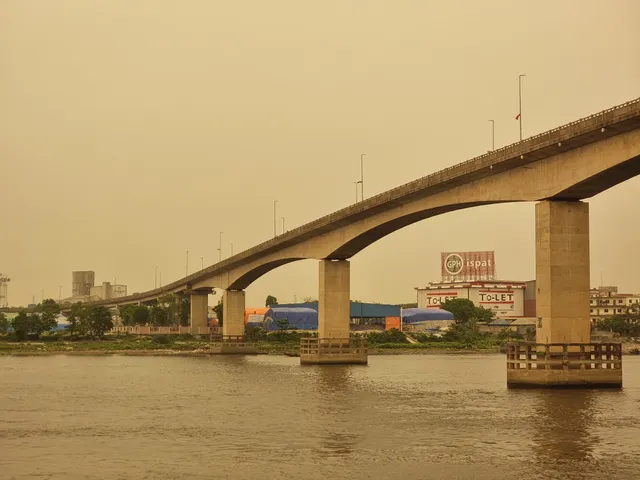
Muktarpur Bridge Overview Location:
River: Dhaleshwari River Country: Bangladesh Nearby Area: Munshiganj District, connecting to Narayanganj District Purpose:
Road Connectivity: Improves road connectivity between Munshiganj and Narayanganj, facilitating easier and faster travel. Economic Development: Boosts trade and commerce by enhancing transportation routes for goods and people. Social Integration: Enhances accessibility for local communities, promoting regional integration. History and Construction:
Construction Start: 2003 Completion: 2008 Inauguration: 2008, inaugurated by Prime Minister Sheikh Hasina Operator: Roads and Highways Department, Bangladesh Technical Specifications:
Length: Approximately 1.5 kilometers (4,921 feet) Width: Two-lane carriageway designed to handle modern traffic loads. Design: Balanced cantilever design with pre-stressed concrete, built to withstand river currents and traffic demands. Impact and Benefits:
Economic Growth: Expected to enhance economic activities by reducing transportation costs and travel time. Transportation: Significantly improves connectivity, reducing travel time between Munshiganj and Narayanganj, and beyond to Dhaka. Infrastructure Development: Part of broader infrastructure improvements in the region, aiding in regional development and planning. Challenges and Maintenance:
Construction Challenges: Included addressing the dynamic conditions of the Dhaleshwari River and ensuring the stability of the bridge structure. Maintenance: Requires regular maintenance to ensure structural integrity and safety, especially given the riverâs impact on the foundations. The Muktarpur Bridge is an important infrastructure project for Bangladesh, enhancing connectivity, promoting economic growth, and improving the quality of life for local communities by providing better access to services and...
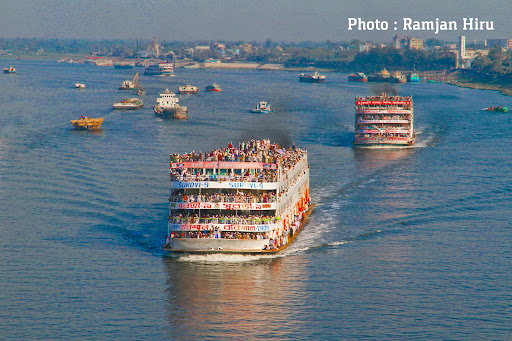
   Read moreThe sixth Bangladesh-China friendship bridge over the river Dhaleswari (āϧāϞā§āĻļā§āĻŦāϰā§) that connects Narayanganj and Munshiganj district is another attractive place to visit at Munshiganj. This bridge is at muktarpur, all buses from Dhaka to Munshiganj used to give a stoppage at the base of the bridge. Muktarpur bridge was opened for public at 18th February 2008, and it was opened by the Chief Advisor of Bangladesh Government, Mr. Fakhruddin Ahmed. Before the bridge was established , people of that particular area used to cross the river with trawler boats, and the vehicles through Ferry. After its construction, now a days, itâs no more require the Ferry transport, but still some people used to cross the river using boat. The bridge is not allowed to take any Rickshaw, thatâs why I think people are still using this route. It takes around 15 minutes to cross the bridge. Even though you are there at summer season, but at the middle of the bridge, thereâs always plenty of cool airs from the river, and that was enough to ease the hot from the sun. Itâs a lovely place to enjoy your time. At Every moment, under the bridge, different types of water vehicles are passing. Some are bigger in size, some are smaller. Some boats are carrying goods, like sand, woods, etc. Some are trawler that carrying people to their destination. Also from the middle of the bridge, you can enjoy the beauty of the river Dhaleswari. At the both side of the bridge there are lovely scene to watch. The water of the river is clean. Not dirty like other rivers from Dhaka or Narayanganj area. Youâll find lots of people are having baths at the bank of the river. There is a stair at the bridge where the river bank started. If you want, you can get down from the bridge using the stairs, and enjoy the beauty of the bridge...
   Read moreāύāĻžāϰāĻžāϝāĻŧāĻŖāĻāĻā§āĻ āĻ āĻŽā§āύā§āϏā§āĻāĻā§āĻ āĻā§āϞāĻžāĻā§ āϏāĻāϝā§āĻā§āϤāĻāĻžāϰ⧠āϧāϞā§āĻļā§āĻŦāϰ⧠(āϧāϞā§āĻļā§āĻŦāϰā§) āύāĻĻā§āϰ āĻāĻĒāϰ āώāώā§āĻ āĻŦāĻžāĻāϞāĻžāĻĻā§āĻļ-āĻā§āύ āĻŽā§āϤā§āϰ⧠āϏā§āϤ⧠āĻŽā§āύā§āϏā§āĻāĻā§āĻā§ āĻĻā§āĻāĻžāϰ āĻāύā§āϝ āĻāϰā§āĻāĻāĻŋ āĻāĻāϰā§āώāĻŖā§āϝāĻŧ āϏā§āĻĨāĻžāύāĨ¤ āĻāĻ āϏā§āϤā§āĻāĻŋ āĻŽā§āĻā§āϤāĻžāϰāĻĒā§āϰā§, āĻĸāĻžāĻāĻž āĻĨā§āĻā§h āϏāĻŦ āĻŦāĻžāϏ āϏā§āϤā§āϰ āĻā§āĻĄāĻŧāĻžāϝāĻŧ āϏā§āĻāĻĒā§āĻ āĻĻāĻŋāϤāĨ¤ āĻŽā§āĻā§āϤāĻžāϰāĻĒā§āϰ āĻŦā§āϰāĻŋāĻāĻāĻŋ 18 āĻĢā§āĻŦā§āϰā§āϝāĻŧāĻžāϰ⧠2008-āĻ āĻāύāϏāĻžāϧāĻžāϰāĻŖā§āϰ āĻāύā§āϝ āĻāύā§āĻŽā§āĻā§āϤ āĻāϰāĻž āĻšāϝāĻŧ āĻāĻŦāĻ āĻāĻāĻŋ āĻŦāĻžāĻāϞāĻžāĻĻā§āĻļ āϏāϰāĻāĻžāϰā§āϰ āĻĒā§āϰāϧāĻžāύ āĻāĻĒāĻĻā§āώā§āĻāĻž āĻāύāĻžāĻŦ āĻĢāĻāϰā§āĻĻā§āĻĻāĻŋāύ āĻāĻšāĻŽā§āĻĻ āĻĻā§āĻŦāĻžāϰāĻž āĻāύā§āĻŽā§āĻā§āϤ āĻāϰāĻž āĻšāϝāĻŧāĨ¤ āϏā§āϤā§āĻāĻŋ āϏā§āĻĨāĻžāĻĒāĻŋāϤ āĻšāĻāϝāĻŧāĻžāϰ āĻāĻā§ āĻāĻ āĻāϞāĻžāĻāĻžāϰ āĻŽāĻžāύā§āώ āĻā§āϰāϞāĻžāϰ āύā§āĻāĻž, āĻĢā§āϰāĻŋ āĻĻāĻŋāϝāĻŧā§ āϝāĻžāύāĻŦāĻžāĻšāύ āύāĻŋāϝāĻŧā§ āύāĻĻā§ āĻĒāĻžāϰ āĻšāϤā§āύāĨ¤ āĻāĻāĻŋ āύāĻŋāϰā§āĻŽāĻžāĻŖā§āϰ āĻĒāϰ, āĻāĻāύ āĻĻāĻŋāύ āĻĻāĻŋāύ, āĻāĻāĻŋāϤ⧠āĻāϰ āĻĢā§āϰāĻŋ āĻĒāϰāĻŋāĻŦāĻšāύā§āϰ āĻĒā§āϰāϝāĻŧā§āĻāύ āύā§āĻ, āϤāĻŦā§ āĻāĻāύāĻ āĻāĻŋāĻā§ āϞā§āĻ āύā§āĻāĻž āĻŦā§āϝāĻŦāĻšāĻžāϰ āĻāϰ⧠āύāĻĻā§ āĻĒāĻžāϰ āĻšāϤā§āύāĨ¤ āĻŦā§āϰāĻŋāĻāĻāĻŋāϤ⧠āĻā§āύ⧠āϰāĻŋāĻāĻļāĻž āύā§āĻāϝāĻŧāĻžāϰ āĻ āύā§āĻŽāϤāĻŋ āύā§āĻ, āϏ⧠āĻāĻžāϰāĻŖā§ āĻŽāĻžāύā§āώ āĻāĻāύāĻ āĻāĻ āĻĒāĻĨ āĻŦā§āϝāĻŦāĻšāĻžāϰ āĻāϰāĻā§ āĻŦāϞ⧠āĻāĻŽāĻŋ āĻŽāύ⧠āĻāϰāĻŋāĨ¤ āĻŦā§āϰāĻŋāĻāĻāĻŋ āĻĒāĻžāϰ āĻšāϤ⧠āĻĒā§āϰāĻžāϝāĻŧ 15 āĻŽāĻŋāύāĻŋāĻ āϏāĻŽāϝāĻŧ āϞāĻžāĻā§āĨ¤ āϝāĻĻāĻŋāĻ āĻāĻĒāύāĻŋ āĻā§āϰā§āώā§āĻŽā§āϰ āĻŽāϰāϏā§āĻŽā§ āϏā§āĻāĻžāύ⧠āĻāĻā§āύ, āĻāĻŋāύā§āϤ⧠āϏā§āϤā§āϰ āĻŽāĻžāĻāĻāĻžāύā§, āύāĻĻā§ āĻĨā§āĻā§ āϏāϰā§āĻŦāĻĻāĻž āĻĒā§āϰāĻā§āϰ āĻļā§āϤāϞ āĻŦāĻžāϤāĻžāϏ āĻĨāĻžāĻā§ āĻāĻŦāĻ āĻāĻāĻŋ āϏā§āϰā§āϝā§āϰ āĻāϰāĻŽāĻā§ āĻāĻŽāĻžāύā§āϰ āĻāύā§āϝ āϝāĻĨā§āώā§āĻ āĻāĻŋāϞāĨ¤ āĻāĻĒāύāĻžāϰ āϏāĻŽāϝāĻŧ āĻāĻĒāĻā§āĻ āĻāϰāĻžāϰ āĻāύā§āϝ āĻāĻāĻŋ āĻāĻāĻāĻŋ āϏā§āύā§āĻĻāϰ āĻāĻžāϝāĻŧāĻāĻžāĨ¤ āĻĒā§āϰāϤāĻŋ āĻŽā§āĻšā§āϰā§āϤ⧠āϏā§āϤā§āϰ āύāĻŋāĻ āĻĻāĻŋāϝāĻŧā§ āĻŦāĻŋāĻāĻŋāύā§āύ āϧāϰāύā§āϰ āύā§āϝāĻžāύ āĻāϞāĻžāĻāϞ āĻāϰāĻā§āĨ¤ āĻā§āĻ āĻāĻāĻžāϰ⧠āĻŦāĻĄāĻŧ, āĻā§āĻ āĻā§āĻāĨ¤ āĻāĻŋāĻā§ āύā§āĻāĻž āĻŽāĻžāϞāĻžāĻŽāĻžāϞ āĻŦāĻšāύ āĻāϰāĻā§, āϝā§āĻŽāύ āĻŦāĻžāϞāĻŋ, āĻāĻžāĻ āĻāϤā§āϝāĻžāĻĻāĻŋ, āĻāĻŋāĻā§ āĻā§āϰāϞāĻžāϰ āϝāĻž āĻŽāĻžāύā§āώāĻā§ āϤāĻžāĻĻā§āϰ āĻāύā§āϤāĻŦā§āϝ⧠āύāĻŋāϝāĻŧā§ āϝāĻžāĻā§āĻā§āĨ¤ āĻāĻāĻžāĻĄāĻŧāĻžāĻ āϏā§āϤā§āϰ āĻŽāĻžāĻāĻāĻžāύ āĻĨā§āĻā§ āϧāϞā§āĻļā§āĻŦāϰ⧠āύāĻĻā§āϰ āϏā§āύā§āĻĻāϰā§āϝ āĻāĻĒāĻā§āĻ āĻāϰāĻž āϝāĻžāϝāĻŧāĨ¤ āϏā§āϤā§āϰ āĻĻā§āĻĒāĻžāĻļā§ āϰāϝāĻŧā§āĻā§ āĻŽāύā§āϰāĻŽ āĻĻā§āĻļā§āϝāĨ¤ āύāĻĻā§āϰ āĻĒāĻžāύāĻŋ āĻĒāϰāĻŋāώā§āĻāĻžāϰāĨ¤ āĻĸāĻžāĻāĻž āĻŦāĻž āύāĻžāϰāĻžāϝāĻŧāĻŖāĻāĻā§āĻ āĻāϞāĻžāĻāĻžāϰ āĻ āύā§āϝāĻžāύā§āϝ āύāĻĻā§āϰ āĻŽāϤ⧠āύā§āĻāϰāĻž āύāϝāĻŧāĨ¤ āĻāĻĒāύāĻŋ āĻĻā§āĻāϤ⧠āĻĒāĻžāĻŦā§āύ āύāĻĻā§āϰ āϤā§āϰ⧠āĻ āύā§āĻ āϞā§āĻ āϏā§āύāĻžāύ āĻāϰāĻā§āĨ¤ āϏā§āϤā§āϤ⧠āĻāĻāĻāĻŋ āϏāĻŋāĻāĻĄāĻŧāĻŋ āϰāϝāĻŧā§āĻā§ āϝā§āĻāĻžāύ āĻĨā§āĻā§ āύāĻĻā§āϰ āϤā§āϰ āĻļā§āϰ⧠āĻšāϝāĻŧā§āĻā§āĨ¤ āĻāĻĒāύāĻŋ āĻāĻžāĻāϞ⧠āϏāĻŋāĻāĻĄāĻŧāĻŋ āĻŦā§āϝāĻŦāĻšāĻžāϰ āĻāϰ⧠āĻŦā§āϰāĻŋāĻ āĻĨā§āĻā§ āύāĻžāĻŽāϤ⧠āĻĒāĻžāϰā§āύ, āĻāϰ āĻŦā§āϰāĻŋāĻā§āϰ āύāĻŋāĻā§ āĻŦā§āϰāĻŋāĻā§āϰ āϏā§āύā§āĻĻāϰā§āϝ...
   Read more