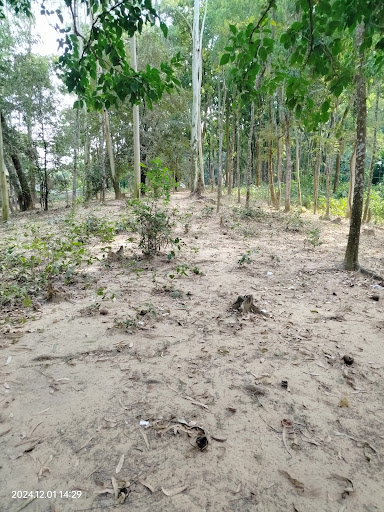
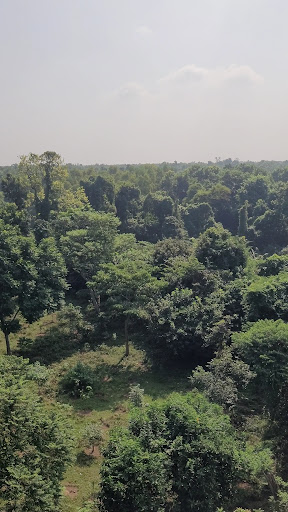
Today, she would likely be heartbroken. A controversial project, "Environment Protection through Social Forestry in the Rajshahi Barind Tract Region," is causing deforestation in the name of development.
Arman Hossain, a visitor from Naogaon, highlighted the paradoxical situation. He questioned how a project designed for environmental protection could be causing such ecological disruption.
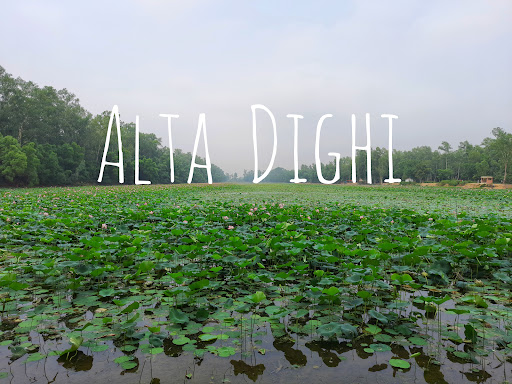
Designated as a national park in 2011, it encompasses an area of 264.12 hectares, located near the Indian border. The park is home to Altadighi, the largest reservoir in the district, spanning 55.46 acres.
The Forest Department justifies this action by claiming the trees obstructed necessary excavation work due to the reservoir's shallowness. Over 1,000 trees were reportedly cut down, generating revenue through a tender sale of Tk35,95,256.
Anisur Rahman, the Dhamairhat forest beat officer, said that Altadighi, the waterbody, dried up due to heatwaves and drought, prompting its re-excavation to a depth of 2.50m. He denied accusations of cutting down shal trees but admitted to removing eucalyptus and akashmani trees through tender.
Anisur also committed to planting 3,000 indigenous seedlings around the reservoir for afforestation, aiming to safeguard the environment and build upon previous afforestation efforts in the shalban area.
The dug-up reservoir is now waiting to be filled again either through artificial means or by the rain during the monsoon season.
Deforestation beyond project scope
Instances of tree felling have been observed beyond the project's designated area, extending into the shalban. This includes the construction of a watchtower and other facilities within a designated biodiversity conservation zone.
Locals like Md MamtazHossain, who works on the construction site, said, "I've been commuting to work in this area for almost a year. While I've been here, they've been excavating the reservoir and cutting down numerous trees on the banks and surrounding areas for the project.
"Additionally, they're building a watchtower, an office building, and several toilets in the forest, costing Tk2 crore."
Konok Islam, a nearby food stall owner, highlights the impact on tourism. With fewer trees, the area is hotter and less appealing to visitors. Tourists like Md Faridul Islam are disappointed at the stark transformation.
Ashraful Islam, a resident, raised concerns about the alleged involvement of influential individuals and forest officials in tree smuggling. He highlighted the frequent occurrence of forest fires, potentially set deliberately, and the intimidation faced by journalists investigating the issue.
He fears desertification and a decline in tourist arrivals if this continues.
Environmental concerns and rising temperatures
Environmentalists warn that the deforestation will worsen rising temperatures in Naogaon, where temperatures have already gone beyond 40 degrees Celsius this year.
Md Rocky, a concerned resident, pointed to the felling of several thousand trees, exceeding the planned number, for profit under the guise of development. Md Sohag, another local, grieves the loss of the natural habitat that once teemed with birds and wildlife.
Professor Mizanur Rahman, chairman of the Department of Geography and Environmental Science at Naogaon Government College, highlighted how cutting down trees damages the environment and biodiversity.
He pointed out that the trees around Altadighi were similar to those in the Sundarbans, mostly shrubs.
Prof Mizanur Rahman discussed the biodiversity that has evolved around Altadighi, known as the Barind region's biodiversity, cautioning against tree cutting and burning, which could destroy it.
He expressed sorrow over the degradation of the natural landscape and stressed the Forest Department's need to understand...
   Read moreāĻāϞāϤāĻžāĻĻāĻŋāĻā§ āĻāĻžāϤā§āϝāĻŧ āĻāĻĻā§āϝāĻžāύ āύāĻāĻāĻžāĻ āĻā§āϞāĻžāϰ āϧāĻžāĻŽāĻāϰāĻšāĻžāĻ āĻāĻĒāĻā§āϞāĻžāϝāĻŧ āĻ āĻŦāϏā§āĻĨāĻŋāϤ āĻāĻāĻāĻŋ āĻāĻžāϤā§āϝāĻŧ āĻāĻĻā§āϝāĻžāύāĨ¤ āĻāĻ āĻāĻĒāĻā§āϞāĻžāϝāĻŧ āĻāϞāϤāĻžāĻĻāĻŋāĻā§ āύāĻžāĻŽā§āϰ āĻāĻāĻāĻŋ āĻĻāĻŋāĻā§āĻā§ āĻā§āύā§āĻĻā§āϰ āĻāϰ⧠āĻāĻĄāĻŧā§ āĻāĻ ā§āĻā§ āϏā§āĻŦāĻŋāĻļāĻžāϞ āĻŦāύāĻā§āĻŽāĻŋāĨ¤ āĻļāĻžāϞāĻŦāύ āĻāĻŦāĻ āĻŦāĻŋāĻāĻŋāύā§āύ āĻĒā§āϰāĻāĻžāϤāĻŋāϰ āĻāĻĻā§āĻāĻŋāĻĻā§ āĻĒāϰāĻŋāĻĒā§āϰā§āĻŖ ⧍ā§Ŧā§Ē.⧧⧍ āĻšā§āĻā§āĻāϰ āĻāĻŽāĻŋāϰ āĻāĻ āĻŦāύāĻā§āĻŽāĻŋāϰ āĻ āĻŋāĻ āĻŽāĻžāĻāĻāĻžāύā§āĻ āϰāϝāĻŧā§āĻā§ āĻĒā§āϰāĻžāϝāĻŧ ā§Ēā§Š āĻāĻāϰ āĻāϝāĻŧāϤāύā§āϰ āϏā§āĻ āĻŦāĻŋāĻļāĻžāϞ āĻĻāĻŋāĻā§āĨ¤ āĻĒāϰāĻŋāĻŦā§āĻļ āĻ āĻŦāύ āĻŽāύā§āϤā§āϰāĻŖāĻžāϞāϝāĻŧ ⧍ā§Ļā§§ā§§ āϏāĻžāϞ⧠āĻāĻāĻŋāĻā§ 'āĻāϞāϤāĻžāĻĻāĻŋāĻā§ āĻāĻžāϤā§āϝāĻŧ āĻāĻĻā§āϝāĻžāύ' āĻšāĻŋāϏāĻžāĻŦā§ āĻā§āώāĻŖāĻž āĻāϰā§āĻā§āĨ¤ā§¨ā§Ļā§§ā§§ āϏāĻžāϞā§āϰ ⧍ā§Ē āĻĄāĻŋāϏā§āĻŽā§āĻŦāϰ āĻāĻāĻŋ āĻĒā§āϰāϤāĻŋāώā§āĻ āĻŋāϤ āĻšāϝāĻŧāĨ¤ āĻāĻāĻžāĻĄāĻŧāĻžāĻ āĻāĻžāϤā§āϝāĻŧ āĻāĻĻā§āϝāĻžāύā§āϰ āĻĒāĻļā§āϰ ā§§ā§.ā§Šā§Ē āĻšā§āĻā§āĻāϰ āĻŦāύāĻā§āĻŽāĻŋāĻ⧠⧝ āĻā§āύ ⧍ā§Ļā§§ā§Ŧ āϤāĻžāϰāĻŋāĻā§ āĻŦāĻžāĻāϞāĻžāĻĻā§āĻļā§āϰ āĻŦāύ āĻ āϧāĻŋāĻĻāĻĒā§āϤāϰ āĻŦāĻŋāĻļā§āώ āĻā§āĻŦāĻŦā§āĻāĻŋāϤā§āϰā§āϝ āϏāĻāϰāĻā§āώāĻŖ āĻāϞāĻžāĻāĻž āĻā§āώāĻŖāĻž āĻāϰā§āĨ¤ āĻāϞāϤāĻžāĻĻāĻŋāĻā§āĻāĻŋ āĻŦāĻžāĻāϞāĻžāĻĻā§āĻļ-āĻāĻžāϰāϤ āϏā§āĻŽāĻžāύā§āϤāĻŦāϰā§āϤ⧠āĻ āĻāĻļā§ āĻ āĻŦāϏā§āĻĨāĻŋāϤ āĻāĻāĻāĻŋ āĻĒā§āϰāĻžāĻā§āύ āĻāϞāĻžāĻļāϝāĻŧāĨ¤ āĻĻāĻŋāĻā§āĻāĻŋāϰ āĻāϝāĻŧāϤāύ ā§Ēā§Š āĻāĻāϰāĨ¤ āĻāĻ āĻāϞāĻžāĻļāϝāĻŧ āĻĻā§āϰā§āĻā§āϝ⧠⧧⧧ā§Ļā§Ļ āĻŽāĻŋāĻāĻžāϰ āĻāĻŦāĻ āĻĒā§āϰāϏā§āĻĨā§ ā§Ģā§Ļā§Ļ āĻŽāĻŋāĻāĻžāϰāĨ¤ āĻĒāĻžāĻšāĻžāĻĄāĻŧā§āϰ āĻŽāϤ⧠āĻĒāĻžāĻĄāĻŧāĻā§āϞāĻŋ āĻāĻāĻā§ āĻāĻŦāĻ āĻĻāĻā§āώāĻŋāĻŖ āĻĒāĻžāĻĄāĻŧ āĻļāĻžāϞāĻŦāύ⧠āĻĸāĻžāĻāĻžāĨ¤ āĻĒā§āϰāĻžāĻā§āύ āĻĻāĻŋāĻā§āĻā§āϞāĻŋāϰ āĻŽāϧā§āϝ⧠āĻāĻāĻŋāĻ āĻŦā§āϧ āĻšāϝāĻŧ āĻŦāĻžāĻāϞāĻžāĻĻā§āĻļā§āϰ āϏāϰā§āĻŦāĻŦā§āĻšā§ āϏāĻāϞ āĻĻāĻŋāĻā§āĨ¤ āĻāϞā§āϞā§āĻā§āϝ āĻŦāĻŋāĻļāĻžāϞ āĻĻāĻŋāĻā§ āϰāĻžāĻŽāϏāĻžāĻāϰā§āϰ āĻĻā§āϰā§āĻā§āϝ āĻāĻāĻŋāϰ āĻā§āϝāĻŧā§ ā§§ā§Ģā§Ļ āĻŽāĻŋāĻāĻžāϰ āĻŦā§āĻļāĻŋ āĻšāϞā§āĻ āĻāĻāĻĄāĻŧāĻžāϝāĻŧ ā§§ā§Ģā§Ļ āĻŽāĻŋāĻāĻžāϰ āĻāĻŽāĨ¤ āĻāϰ āϰāĻžāĻŽāϏāĻžāĻāϰ ā§§ā§ā§Ģā§Ļ āϏāĻžāϞā§āϰ āĻĻāĻŋāĻā§ āĻāύāύ āĻāϰāĻž āĻšāϝāĻŧāĨ¤ āĻāĻŋāύā§āϤ⧠āĻāϞāϤāĻžāĻĻāĻŋāĻā§ āĻšāĻŋāύā§āĻĻā§-āĻŦā§āĻĻā§āϧ āϝā§āĻā§āϰ āĻĻāĻŋāĻā§āĨ¤ āĻāϞāϤāĻžāĻĻāĻŋāĻā§ āĻāĻžāϤā§āϝāĻŧ āĻāĻĻā§āϝāĻžāύ⧠āĻŽā§āĻā§āĻŦāĻžāĻ, āĻāύā§āϧāĻā§āĻā§āϞ, āĻļāĻŋāϝāĻŧāĻžāϞ, āĻ āĻāĻāϰ āĻ āĻŦāĻžāύāϰ āĻĒāĻžāĻāϝāĻŧāĻž āϝāĻžāϝāĻŧāĨ¤ āĻāĻāĻžāĻĄāĻŧāĻžāĻ āĻŦāĻŋāĻāĻŋāύā§āύ āĻĒā§āϰāĻāĻžāϤāĻŋāϰ āĻĒāĻžāĻāĻŋ, āĻĒā§āĻāĻžāĻŽāĻžāĻāĻĄāĻŧāϏāĻš āύāĻžāύāĻž āĻĒā§āϰāĻāĻžāϤāĻŋāϰ āĻā§āĻŦāĻŦā§āĻāĻŋāϤā§āϰā§āϝ āϰāϝāĻŧā§āĻā§āĨ¤ āĻŦāĻŋāĻļā§āώāϤ āĻļāĻžāϞāĻāĻžāĻāĻā§ āĻāϞāĻŋāĻā§āĻāĻŖ āĻāϰ⧠āĻāĻĄāĻŧā§ āĻāĻ āĻž āĻāĻāĻ āĻĒā§āĻāĻžāϰ āĻĸāĻŋāĻŦāĻŋāĻā§āϞ⧠āϏāĻŦāĻā§āϝāĻŧā§ āĻāĻāϰā§āώāĻŖā§āϝāĻŧāĨ¤
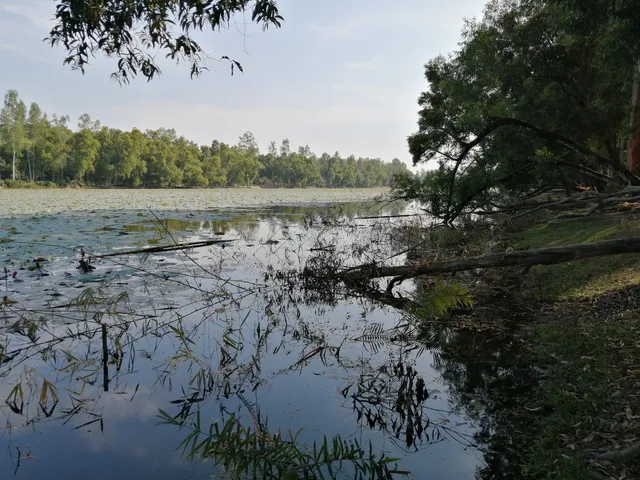
(Translated by Google) Altadighi National Park is a national park located in Dhamairhat upazila of Naogaon district. In this upazila a vast forest has developed around a dighi called Altadighi. There is a huge lake of about 43 acres in the middle of this 264.12 hectare forest full of Shalban and various species of plants. The Ministry of Environment and Forests declared it as 'Altadighi National Park' in 2011. It was established on 24 December 2011. In addition, on June 9, 2016, the Forest Department of Bangladesh declared 16.34 hectares of forest land next to the National Park as a Special Biodiversity Conservation Area. Altadighi is an ancient reservoir located on the Bangladesh-India border. The area of ââthe lake is 43 acres. This reservoir is 1100 meters in length and 500 meters in width. The hill-like edges are high and the southern edge is covered with sal forest. Among the ancient dighis, it seems to be the largest moving dighi in Bangladesh. Note that the length of the huge lake Ramsagar is 150 meters longer than this, but the width is 150 meters less. The Ramsagar was excavated around 1850. But Altadighi is a dighi of Hindu-Buddhist era. Altadighi National Park is home to fish, tigers, foxes, pythons and monkeys. There are also biodiversity of different species including birds and insects. The most interesting are the mounds of wasps, especially those formed by embracing the...
   Read moreāĻāϞāϤāĻžāĻĻāĻŋāĻā§ āĻšāĻŋāύā§āĻĻā§-āĻŦā§āĻĻā§āϧ āϝā§āĻā§āϰ āĻĻāĻŋāĻā§āĨ¤[ā§Ŧ]
āĻāϤāĻŋāĻšāĻžāϏ
[āϏāĻŽā§āĻĒāĻžāĻĻāύāĻž]
āϏā§āĻĨāĻžāύā§āϝāĻŧ āĻŽāĻžāύā§āώā§āϰ āĻŽā§āĻā§ āĻāĻāĻāĻž āϞā§āĻāĻāĻžāĻšāĻŋāύ⧠āĻĒā§āϰāĻāϞāĻŋāϤ āĻāĻā§ āϝā§, āĻĒā§āϰāĻāĻž āϏāĻžāϧāĻžāϰāĻŖā§āϰ āĻĒāĻžāύāĻŋāϝāĻŧāĻāϞā§āϰ āϏāĻāĻāĻ āύāĻŋāϰāϏāύāĻāϞā§āĻĒā§ , āϰāĻžāĻāĻž āĻŦāĻŋāĻļā§āĻŦāύāĻžāĻĨ āϰāĻžāĻāĻŽāĻžāϤāĻžāϰ āϏāύā§āϤā§āώā§āĻāĻŋāĻāϞā§āĻĒā§ āĻĻā§āĻāĻŋāĻāĻŋ āĻāύāύ āĻāϰā§āύāĨ¤ āϰāĻžāĻāĻŽāĻžāϤāĻžāϰ āĻļāϰā§āϤ āĻāĻŋāϞ āϝā§, āϤāĻŋāύāĻŋ āĻĒāĻžāϝāĻŧā§ āĻšā§āĻāĻā§ āϝāϤāĻĻā§āϰ āĻ āĻŦāϧāĻŋ āϝā§āϤ⧠āĻĒāĻžāϰāĻŦā§āύ āϏā§āĻ āĻĒāϰā§āϝāύā§āϤ āĻĻā§āĻāĻŋāĻāĻŋ āĻāύāύ āĻāϰāϤ⧠āĻšāĻŦā§āĨ¤ āϰāĻžāĻāĻŽāĻžāϤāĻžāϰ āĻļāϰā§āϤ āĻĒā§āϰāĻŖā§āϰ āĻŦāĻŋāώāϝāĻŧā§ āĻŽāύā§āϤā§āϰā§āĻŦāϰā§āϰ āϏāĻā§āĻā§ āϰāĻžāĻāĻž āĻĒāϰāĻžāĻŽāϰā§āĻļ āĻāϰ⧠āĻāϞāϤāĻž āύāĻŋāϝāĻŧā§ āĻāϏā§āύāĨ¤ āĻ āϤāĻāĻĒāϰ, āĻāĻāĻĻāĻŋāύ āĻāĻāĻž āĻāϰ⧠āĻŽāύā§āϤā§āϰā§āĻŦāϰā§āϰ āϏāĻŦāĻžāĻ āϰāĻžāĻāĻŽāĻžāϤāĻž āĻā§ āĻ āύā§āϏāϰāĻŖ āĻāϰā§āύ āĻāĻŦāĻ āϰāĻžāĻāĻŽāĻžāϤāĻž āĻšāĻžāĻāĻāϤ⧠āĻļā§āϰ⧠āĻāϰā§āύāĨ¤ āĻāĻŋāύā§āϤ⧠āϰāĻžāĻāĻŽāĻžāϤāĻžāϰ āĻšāĻžāĻāĻž āĻāϰ āĻļā§āώ āĻšāϝāĻŧāύāĻž, āϤāĻŋāύāĻŋ āĻšāĻžāĻāĻāϤā§āĻ āĻĨāĻžāĻā§āύ āĨ¤ āϤāĻžāϰāĻĒāϰ, āĻĒāϰāĻŋāϏā§āĻĨāĻŋāϤāĻŋ āĻĒā§āϰāϤāĻŋāĻā§āϞ āĻĻā§āĻā§ āĻŽāύā§āϤā§āϰā§āĻŦāϰ āĻĻā§āĻāĻŋāϰ āĻļā§āώ āĻĒā§āϰāĻžāύā§āϤ⧠āϰāĻžāĻāĻŽāĻžāϤāĻžāϰ āĻĒāĻžāϝāĻŧā§ āĻāϞāϤāĻž āĻāĻŋāĻāĻŋāϝāĻŧā§ āĻĻāĻŋāϝāĻŧā§ āϤāĻžāĻā§ āĻĨāĻžāĻŽāĻŋāϝāĻŧā§ āĻĻā§āύ āĻāĻ āĻŦāϞ⧠āϝā§, āĻŽāĻž āϤā§āĻŽāĻžāϰ āĻĒāĻž āĻĢā§āĻā§ āϰāĻā§āϤ āĻŦā§āϰāĻŋāϝāĻŧā§āĻā§āĨ¤ āϤā§āĻŽāĻŋ āĻāϰ āĻšāĻžāĻāĻāϤ⧠āĻĒāĻžāϰāĻŦā§ āύāĻžāĨ¤ āϝā§āĻ āϏā§āĻĨāĻžāύ⧠āĻāĻŋāϝāĻŧā§ āϰāĻžāĻāĻŽāĻžāϤāĻž āĻšāĻžāĻāĻž āĻŦāύā§āϧ āĻāϰā§āĻāĻŋāϞā§āύ , āĻļā§āϰā§āϰ āϏā§āĻĨāĻžāύ āĻĨā§āĻā§ āϏā§āĻ āĻ āĻŦāϧāĻŋ āĻĒāϰā§āϝāύā§āϤ āϰāĻžāĻāĻž āĻŦāĻŋāĻļā§āĻŦāύāĻžāĻĨ āĻĻā§āĻāĻŋ āĻāύāύ āĻāϰā§āĻāĻŋāϞā§āύāĨ¤ āϏā§āĻ āĻĨā§āĻā§āĻ āĻāĻ āĻĻā§āĻāĻŋāĻāĻŋ āĻāϞāϤāĻž āĻĻā§āĻāĻŋ āύāĻžāĻŽā§ āĻšāĻŋāϏā§āĻŦā§ āĻĒāϰāĻŋāĻāĻŋāϤāĻŋ āϞāĻžāĻ āĻāϰā§āĨ¤
āĻāϤāĻŋāĻšāĻžāϏ āϏāĻŽā§āĻŦāύā§āϧ⧠āϏāĻ āĻŋāĻāĻāĻžāĻŦā§ āĻāĻŋāĻā§ āĻŦāϞāĻž āϝāĻžāϝāĻŧ āύāĻžāĨ¤ āϤāĻŦā§ āĻāĻ āĻāϞāĻžāĻļāϝāĻŧ āĻāĻŋ āĻāĻāĻĻā§āĻĻāϞ āĻŽāĻšāĻžāĻŦāĻŋāĻšāĻžāϰā§āĻ°Â āϏāĻŽāϏāĻžāĻŽāϝāĻŧāĻŋāĻ āĻ āĻĨāĻŦāĻž āĻĒāĻžāϞ āϝā§āĻ āĻĒā§āϰā§āĻŦāĻŦāϰā§āϤ⧠āϏāĻŽāϝāĻŧā§āϰ āĻŦāϞ⧠āϧāĻžāϰāĻŖāĻž āĻāϰāĻž āϝāĻžāϝāĻŧāĨ¤[ā§Ŧ]
āĻā§āĻŦāĻŦā§āĻāĻŋāϤā§āϰā§āϝ
[āϏāĻŽā§āĻĒāĻžāĻĻāύāĻž]
āĻāϞāϤāĻžāĻĻāĻŋāĻā§ āĻāĻžāϤā§āϝāĻŧ āĻāĻĻā§āϝāĻžāύā§Â āĻŽā§āĻā§āĻŦāĻžāĻ, āĻāύā§āϧāĻā§āĻā§āϞ, āĻļāĻŋāϝāĻŧāĻžāϞ, āĻ āĻāĻāĻ°Â āĻ āĻŦāĻžāύāĻ°Â āĻĒāĻžāĻāϝāĻŧāĻž āϝāĻžāϝāĻŧāĨ¤[ā§] āĻāĻāĻžāĻĄāĻŧāĻžāĻ āĻŦāĻŋāĻāĻŋāύā§āύ āĻĒā§āϰāĻāĻžāϤāĻŋāϰ āĻĒāĻžāĻāĻŋ, āĻĒā§āĻāĻžāĻŽāĻžāĻāĻĄāĻŧāϏāĻš āύāĻžāύāĻž āĻĒā§āϰāĻāĻžāϤāĻŋāϰ āĻā§āĻŦāĻŦā§āĻāĻŋāϤā§āϰā§āϝ āϰāϝāĻŧā§āĻā§āĨ¤ āĻŦāĻŋāĻļā§āώāϤ āĻļāĻžāϞāĻāĻžāĻāĻā§ āĻāϞāĻŋāĻā§āĻāĻŖ āĻāϰ⧠āĻāĻĄāĻŧā§ āĻāĻ āĻž āĻāĻāĻ āĻĒā§āĻāĻžāϰ āĻĸāĻŋāĻŦāĻŋāĻā§āϞ⧠āϏāĻŦāĻā§āϝāĻŧā§ āĻāĻāϰā§āώāĻŖā§āϝāĻŧāĨ¤
āĻāĻāĻžāϰāĻž āĻĒā§āϰāĻĨāĻž
[āϏāĻŽā§āĻĒāĻžāĻĻāύāĻž]
āĻŦāϰā§āϤāĻŽāĻžāύ⧠āĻāϞāϤāĻžāĻĻāĻŋāĻā§āĻāĻŋ āĻāĻāĻžāĻĻāĻžāϰāĻĻā§āϰ āύāĻŋāĻāĻ āĻāĻāĻžāϰāĻž āĻĻā§āĻāϝāĻŧāĻž āĻšāϝāĻŧā§āĻā§ āϝāĻž āĻāϞāĻžāĻāĻžāϰ āĻĒāϰāĻŋāĻŦā§āĻļ āĻ āĻā§āĻŦāĻŦā§āĻāĻŋāϤā§āϰā§āϝā§āϰ āĻāύā§āϝ āĻšā§āĻŽāĻāĻŋ āĻŦāϞ⧠āĻŦāĻŋāĻļā§āώāĻā§āĻāĻāĻŖ...
   Read more