HTML SitemapExplore

Dechenphug Lhakhang བདེ་ཆེན་ཕུག་ལྷ་ཁང་། — Local services in Chhanda-Gang_Chhoekhortse_Phajoding

Name
Dechenphug Lhakhang བདེ་ཆེན་ཕུག་ལྷ་ཁང་།
Description
Nearby attractions
Nearby restaurants
Nearby local services
Nearby hotels
Related posts
Keywords
Dechenphug Lhakhang བདེ་ཆེན་ཕུག་ལྷ་ཁང་། tourism.Dechenphug Lhakhang བདེ་ཆེན་ཕུག་ལྷ་ཁང་། hotels.Dechenphug Lhakhang བདེ་ཆེན་ཕུག་ལྷ་ཁང་། bed and breakfast. flights to Dechenphug Lhakhang བདེ་ཆེན་ཕུག་ལྷ་ཁང་།.Dechenphug Lhakhang བདེ་ཆེན་ཕུག་ལྷ་ཁང་། attractions.Dechenphug Lhakhang བདེ་ཆེན་ཕུག་ལྷ་ཁང་། restaurants.Dechenphug Lhakhang བདེ་ཆེན་ཕུག་ལྷ་ཁང་། local services.Dechenphug Lhakhang བདེ་ཆེན་ཕུག་ལྷ་ཁང་། travel.Dechenphug Lhakhang བདེ་ཆེན་ཕུག་ལྷ་ཁང་། travel guide.Dechenphug Lhakhang བདེ་ཆེན་ཕུག་ལྷ་ཁང་། travel blog.Dechenphug Lhakhang བདེ་ཆེན་ཕུག་ལྷ་ཁང་། pictures.Dechenphug Lhakhang བདེ་ཆེན་ཕུག་ལྷ་ཁང་། photos.Dechenphug Lhakhang བདེ་ཆེན་ཕུག་ལྷ་ཁང་། travel tips.Dechenphug Lhakhang བདེ་ཆེན་ཕུག་ལྷ་ཁང་། maps.Dechenphug Lhakhang བདེ་ཆེན་ཕུག་ལྷ་ཁང་། things to do.
Dechenphug Lhakhang བདེ་ཆེན་ཕུག་ལྷ་ཁང་། things to do, attractions, restaurants, events info and trip planning
Dechenphug Lhakhang བདེ་ཆེན་ཕུག་ལྷ་ཁང་།
BhutanThimphu DistrictChhanda-Gang_Chhoekhortse_PhajodingDechenphug Lhakhang བདེ་ཆེན་ཕུག་ལྷ་ཁང་།

Basic Info

Dechenphug Lhakhang བདེ་ཆེན་ཕུག་ལྷ་ཁང་།

GJVF+2W9, Thimphu, Bhutan
4.8(81)
Closed
Save
spot

Ratings & Description

Info

Cultural
attractions: , restaurants: , local businesses:
logoLearn more insights from Wanderboat AI.
Open hoursSee all hours
Wed9 AM - 6 PMClosed

Plan your stay

hotel
Pet-friendly Hotels in Chhanda-Gang_Chhoekhortse_Phajoding
Find a cozy hotel nearby and make it a full experience.
hotel
Affordable Hotels in Chhanda-Gang_Chhoekhortse_Phajoding
Find a cozy hotel nearby and make it a full experience.
hotel
The Coolest Hotels You Haven't Heard Of (Yet)
Find a cozy hotel nearby and make it a full experience.
hotel
Trending Stays Worth the Hype in Chhanda-Gang_Chhoekhortse_Phajoding
Find a cozy hotel nearby and make it a full experience.

Reviews

Get the Appoverlay
Get the AppOne tap to find yournext favorite spots!
Wanderboat LogoWanderboat

Your everyday Al companion for getaway ideas

CompanyAbout Us
InformationAI Trip PlannerSitemap
SocialXInstagramTiktokLinkedin
LegalTerms of ServicePrivacy Policy

Get the app

© 2025 Wanderboat. All rights reserved.

Reviews of Dechenphug Lhakhang བདེ་ཆེན་ཕུག་ལྷ་ཁང་།

4.8
(81)
avatar
5.0
2y

Dechenphug Lhakhang is a prominent Buddhist monastery located in Thimphu, the capital city of Bhutan. It holds significant cultural and religious importance in the country. The monastery is perched on a hillside, providing stunning panoramic views of the surrounding valley and the city below.

Believed to have been founded in the 12th century by Lama Phajo Drugom Zhigpo, Dechenphug Lhakhang is one of the oldest and most sacred monastic sites in Bhutan. It has been a place of spiritual retreat and meditation for many renowned Buddhist masters throughout the centuries.

The monastery features traditional Bhutanese architecture, characterized by intricate woodwork, colorful paintings, and beautiful murals depicting Buddhist deities and religious stories. Its peaceful and serene ambiance makes it a popular destination for both local devotees and tourists seeking spiritual solace and cultural immersion.

Visitors to Dechenphug Lhakhang often partake in prayer and meditation sessions, guided by resident monks. The monastery also houses numerous sacred relics and artifacts, adding to its sanctity and reverence.

To reach the monastery, one needs to embark on a short hike through lush forests, enhancing the overall experience with a touch of natural beauty and tranquility. The journey itself is a spiritual and rewarding adventure.

As with many sacred sites in Bhutan, Dechenphug Lhakhang is subject to certain customs and etiquette. Visitors are expected to dress modestly and show respect to the monks and the sacred environment. Taking photographs inside the main temple might be prohibited to maintain the sanctity of the place.

Overall, Dechenphug Lhakhang offers a profound glimpse into Bhutan's rich spiritual heritage and is a must-visit destination for those seeking a deeper understanding of the country's cultural and...

   Read more
avatar
4.0
3y

Das Dechenphug Lhakhang wurde im dem 13. Jahrhundert gebaut. Das heutige Gebäude ab dem Jahr 1340. Das Dechenphug Lhakhang ist ein befestigtes Kloster am Westhang des Thimphu Tals. Das Gelände erstreckt sich über einen natürlichen Entwässerungskanal, der senkrecht zu zwei Bergkämmen verläuft, und liegt in einem riesigen Waldgebiet ohne andere Bebauung in der Nähe. Sie wurde im 12. Jahrhundert von Dampa gegründet, einem Sohn, oder möglicherweise Enkel, von Phajo Drugom Shigpo gelebt in der Zeit 1184-1251, der die Drukpa-Schule des Buddhismus in ganz Bhutan populär machte. Phajo Drugom Shigpo stammt ursprünglich aus Tibet. Er studierte die Mysterien der Drukpa Schule unter Onre Darma Senge (1177-1237), dem Neffen des bedeutenden tibetischen Meisters Tsangpa Gyare, im abgelegenen Kloster Ralung in West-Zentral-Tibet. Phajos Kinder wurden alle nach seiner Ankunft in Bhutan geboren. Ihre Nachkommen wurden prominente Mitglieder bekannter buddhistischer Linien, wie der Familie Changangkha Shelgno, die den Changangkha Lhakhang gründete. Einer von Phajos anderen Nachkommen, Dampa, lebte ebenfalls im Thimphu Tal, wo er Berichten zufolge etwa 100 Jahre lang gelebt haben soll. Er gründete das Dechenphug Kloster an einem Ort, der seit der Antike mit Geynyen, einer Kriegergottheit, in Verbindung gebracht wurde. Später im Leben hatte Dampa einen "unehelichen" Sohn namens Kuenzang Dorji, der später als zweiter Abt von Dechenphug diente. Er wiederum hatte einen Sohn namens Damtrul Loden Gyalpo, der im Alter von drei Jahren bewies, dass er die Reinkarnation seines Großvaters Dampa war. Laut den Autoren Dorji und Ura konnte der junge Abt angesichts des fortgeschrittenen Alters von Kuenzang Dorji nicht die vollständigen Lehren der Drukpa-Sekte erhalten. Stattdessen wurde er in das Kloster Ralung in Tibet geschickt, um sein Eintauchen in die esoterischen Lehren der Drukpa Kagyü fortzusetzen. Dort kam er unter die Anleitung des 7. Abtes des Klosters Ralung, Kuenga Sengye (1314-47). Nach einigen Jahren des Studiums kehrten sie 1345 gemeinsam nach Dechenphug zurück, wo Kuenga Sengye „inthronisiert“ wurde, laut Sangye Dorji. Kuenga Sengye war nur noch zwei Jahre am leben, aber in dieser kurzen Zeitspanne errichtete er den Goenkhang, den befestigten Turm, der noch heute als Herz von Dechenphug Lhakhang erhalten ist. Goenkhangs werden normalerweise gebaut, um wilde Schutzgottheiten zu beherbergen. In diesem Fall den Schutzgeist Geynyen, der die Schutzgottheit des Thimphu-Tals war. Kuenga Sangay ernannte ihn zum offiziellen Beschützer der Drukpa Kagyü Lehren. Wiederum laut Dorji und Ura war die Platzierung des Turms so, dass er unter dem Haus liegend gebaut wurde, in dem Dampa und Damtrul Loden Gyalpo lebten, und über den Drubdeys, den Rückzugsorte für die Meditation. Keine dieser Nebengebäude Gebäude wurden nach dem gleichen Standard wie der Wehrturm gebaut. Daher sind nur noch Spuren ihrer Gründungen erhalten. Die Vereinnahmung von Geynyen zum Beschützer des Drukpa war keine einfache Angelegenheit. Die Legende besagt, dass Kuenga Sangay das Wesen unterwerfen und den Gott in eine Schutzgottheit verwandeln musste. Laut Tsering zog sich der Geist von Jagpa Melen, das ein anderer Name für Geynyen ist, was Feuerholender Räuber und oberster Kriegsherr bedeutet. In einen großen Stein zurück, der als Thimphu bekannt ist, was „im Stein verschwunden“ bedeutet In seiner Stunde der größten Not „wird der Kriegsherr vom Stein zurückkommen und das Land retten“ .Diese Geschichte ähnelt in gewisser Weise den Legenden, die mit dem respektlosen Mönch Drukpa Kunley (1455-1529) verbunden sind, der eine Dämonin bändigte und ihren Geist unter einem Chorten im Chime Lhakhang Tempel abfüllte. Eine andere ähnliche Geschichte wird über den Simtokha Dzong erzählt, wo der erste Zhabdrung Rinpoche, oder Ngawang Namgyal der 1594-1651 lebte, der eine Gottheit, die Reisende auf der entscheidenden Stufe Thimphu-Punakha zurückhielt. Eine Landschaftliche sehr...

   Read more

avatar
5.0
2y

Dechenphug Lhakhang, a fortified monastery on Thimphu valley's western slope, was established in the 12th century by Dampa, a follower of the Drukpa school of Buddhism. It's nestled amidst a forested area, far from other developments. Dampa's lineage played a vital role in Bhutan's Buddhist heritage, including founding the Changangkha Lhakhang.

Dampa's descendant, Kuenzang Dorji, had a son, Damtrul Loden Gyalpo, who was recognized as the reincarnation of Dampa. The 7th abbot of Ralung monastery, Kuenga Sengye, fortified Dechenphug in 1345, creating the goenkhang, a tower housing the guardian spirit Geynyen.

Geynyen's story involves his subduing by Kuenga Sangay and his connection to a stone with a prophecy. In the past, ceremonies were held twice a year, but today pilgrims visit for blessings and protection.

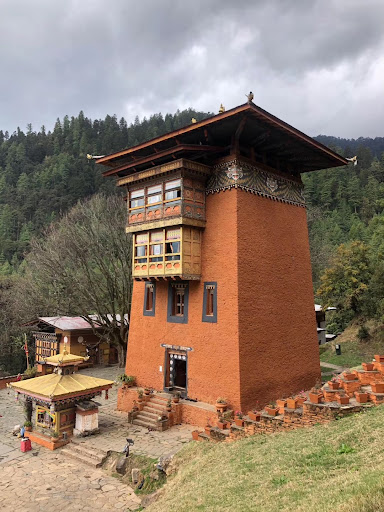
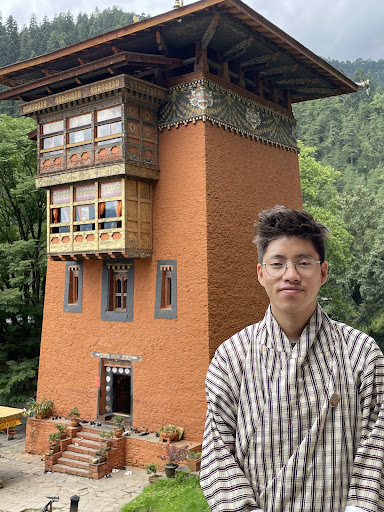
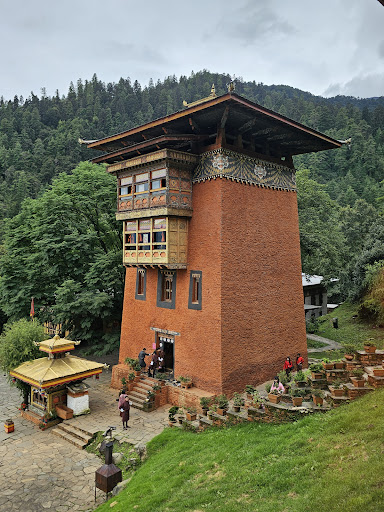
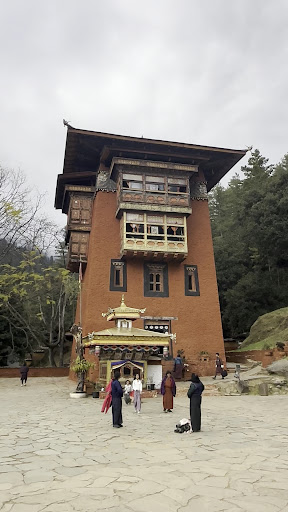
The central structure, the goenkhang, is a fortified tower with orange walls, housing prayer wheels, a meeting room, a worship hall, and a shrine to the Buddha on different floors. In front of it, a shrine contains the Thimphu stone, Geynyen's abode.

Dechenphug Lhakhang was restored from 1996-1998, including monks' residences and a redesigned courtyard to accommodate more pilgrims. Foreign tourists are not allowed to enter this sacred site.

⚠️not...

   Read more
Page 1 of 7
Previous
Next

Posts

Marvellous Bhutan TravelMarvellous Bhutan Travel
Dechenphug Lhakhang is a prominent Buddhist monastery located in Thimphu, the capital city of Bhutan. It holds significant cultural and religious importance in the country. The monastery is perched on a hillside, providing stunning panoramic views of the surrounding valley and the city below. Believed to have been founded in the 12th century by Lama Phajo Drugom Zhigpo, Dechenphug Lhakhang is one of the oldest and most sacred monastic sites in Bhutan. It has been a place of spiritual retreat and meditation for many renowned Buddhist masters throughout the centuries. The monastery features traditional Bhutanese architecture, characterized by intricate woodwork, colorful paintings, and beautiful murals depicting Buddhist deities and religious stories. Its peaceful and serene ambiance makes it a popular destination for both local devotees and tourists seeking spiritual solace and cultural immersion. Visitors to Dechenphug Lhakhang often partake in prayer and meditation sessions, guided by resident monks. The monastery also houses numerous sacred relics and artifacts, adding to its sanctity and reverence. To reach the monastery, one needs to embark on a short hike through lush forests, enhancing the overall experience with a touch of natural beauty and tranquility. The journey itself is a spiritual and rewarding adventure. As with many sacred sites in Bhutan, Dechenphug Lhakhang is subject to certain customs and etiquette. Visitors are expected to dress modestly and show respect to the monks and the sacred environment. Taking photographs inside the main temple might be prohibited to maintain the sanctity of the place. Overall, Dechenphug Lhakhang offers a profound glimpse into Bhutan's rich spiritual heritage and is a must-visit destination for those seeking a deeper understanding of the country's cultural and religious traditions.
Tshering DorjiTshering Dorji
Dechenphug Lhakhang, a fortified monastery on Thimphu valley's western slope, was established in the 12th century by Dampa, a follower of the Drukpa school of Buddhism. It's nestled amidst a forested area, far from other developments. Dampa's lineage played a vital role in Bhutan's Buddhist heritage, including founding the Changangkha Lhakhang. Dampa's descendant, Kuenzang Dorji, had a son, Damtrul Loden Gyalpo, who was recognized as the reincarnation of Dampa. The 7th abbot of Ralung monastery, Kuenga Sengye, fortified Dechenphug in 1345, creating the goenkhang, a tower housing the guardian spirit Geynyen. Geynyen's story involves his subduing by Kuenga Sangay and his connection to a stone with a prophecy. In the past, ceremonies were held twice a year, but today pilgrims visit for blessings and protection. The central structure, the goenkhang, is a fortified tower with orange walls, housing prayer wheels, a meeting room, a worship hall, and a shrine to the Buddha on different floors. In front of it, a shrine contains the Thimphu stone, Geynyen's abode. Dechenphug Lhakhang was restored from 1996-1998, including monks' residences and a redesigned courtyard to accommodate more pilgrims. Foreign tourists are not allowed to enter this sacred site. ⚠️not open to tourist
Sherab TenzinSherab Tenzin
This sacred Buddhist temple in Thimphu is located within pine forest at a distance of 2km from Dechencholing. It's a monastery founded by Lam Phajo in the 12th century and is the origin of the term 'Thimphu', which became the name of the capital of Bhutan. Thimphu residents not only consider it as a sacred lhakhang but also the house of local deity of Thimphu - Ap Gyenyun. People across Bhutan make a point to visit this temple at least once to pray and seek blessings. It's believed that if we visit and pray there, our sins will be cleansed, and we will achieve our dreams and fulfill our wishes. The road that takes us there is small and uphill. The journey takes about 15 minutes from the main Thimphu-Dechencholing Rd. It's not open to tourists. During auspicious days of a month, it will be busy. Sometimes, they organize religious events that will attract bigger crowds.
See more posts
See more posts
hotel
Find your stay

Pet-friendly Hotels in Chhanda-Gang_Chhoekhortse_Phajoding

Find a cozy hotel nearby and make it a full experience.

Dechenphug Lhakhang is a prominent Buddhist monastery located in Thimphu, the capital city of Bhutan. It holds significant cultural and religious importance in the country. The monastery is perched on a hillside, providing stunning panoramic views of the surrounding valley and the city below. Believed to have been founded in the 12th century by Lama Phajo Drugom Zhigpo, Dechenphug Lhakhang is one of the oldest and most sacred monastic sites in Bhutan. It has been a place of spiritual retreat and meditation for many renowned Buddhist masters throughout the centuries. The monastery features traditional Bhutanese architecture, characterized by intricate woodwork, colorful paintings, and beautiful murals depicting Buddhist deities and religious stories. Its peaceful and serene ambiance makes it a popular destination for both local devotees and tourists seeking spiritual solace and cultural immersion. Visitors to Dechenphug Lhakhang often partake in prayer and meditation sessions, guided by resident monks. The monastery also houses numerous sacred relics and artifacts, adding to its sanctity and reverence. To reach the monastery, one needs to embark on a short hike through lush forests, enhancing the overall experience with a touch of natural beauty and tranquility. The journey itself is a spiritual and rewarding adventure. As with many sacred sites in Bhutan, Dechenphug Lhakhang is subject to certain customs and etiquette. Visitors are expected to dress modestly and show respect to the monks and the sacred environment. Taking photographs inside the main temple might be prohibited to maintain the sanctity of the place. Overall, Dechenphug Lhakhang offers a profound glimpse into Bhutan's rich spiritual heritage and is a must-visit destination for those seeking a deeper understanding of the country's cultural and religious traditions.
Marvellous Bhutan Travel

Marvellous Bhutan Travel

hotel
Find your stay

Affordable Hotels in Chhanda-Gang_Chhoekhortse_Phajoding

Find a cozy hotel nearby and make it a full experience.

Get the Appoverlay
Get the AppOne tap to find yournext favorite spots!
Dechenphug Lhakhang, a fortified monastery on Thimphu valley's western slope, was established in the 12th century by Dampa, a follower of the Drukpa school of Buddhism. It's nestled amidst a forested area, far from other developments. Dampa's lineage played a vital role in Bhutan's Buddhist heritage, including founding the Changangkha Lhakhang. Dampa's descendant, Kuenzang Dorji, had a son, Damtrul Loden Gyalpo, who was recognized as the reincarnation of Dampa. The 7th abbot of Ralung monastery, Kuenga Sengye, fortified Dechenphug in 1345, creating the goenkhang, a tower housing the guardian spirit Geynyen. Geynyen's story involves his subduing by Kuenga Sangay and his connection to a stone with a prophecy. In the past, ceremonies were held twice a year, but today pilgrims visit for blessings and protection. The central structure, the goenkhang, is a fortified tower with orange walls, housing prayer wheels, a meeting room, a worship hall, and a shrine to the Buddha on different floors. In front of it, a shrine contains the Thimphu stone, Geynyen's abode. Dechenphug Lhakhang was restored from 1996-1998, including monks' residences and a redesigned courtyard to accommodate more pilgrims. Foreign tourists are not allowed to enter this sacred site. ⚠️not open to tourist
Tshering Dorji

Tshering Dorji

hotel
Find your stay

The Coolest Hotels You Haven't Heard Of (Yet)

Find a cozy hotel nearby and make it a full experience.

hotel
Find your stay

Trending Stays Worth the Hype in Chhanda-Gang_Chhoekhortse_Phajoding

Find a cozy hotel nearby and make it a full experience.

This sacred Buddhist temple in Thimphu is located within pine forest at a distance of 2km from Dechencholing. It's a monastery founded by Lam Phajo in the 12th century and is the origin of the term 'Thimphu', which became the name of the capital of Bhutan. Thimphu residents not only consider it as a sacred lhakhang but also the house of local deity of Thimphu - Ap Gyenyun. People across Bhutan make a point to visit this temple at least once to pray and seek blessings. It's believed that if we visit and pray there, our sins will be cleansed, and we will achieve our dreams and fulfill our wishes. The road that takes us there is small and uphill. The journey takes about 15 minutes from the main Thimphu-Dechencholing Rd. It's not open to tourists. During auspicious days of a month, it will be busy. Sometimes, they organize religious events that will attract bigger crowds.
Sherab Tenzin

Sherab Tenzin

See more posts
See more posts