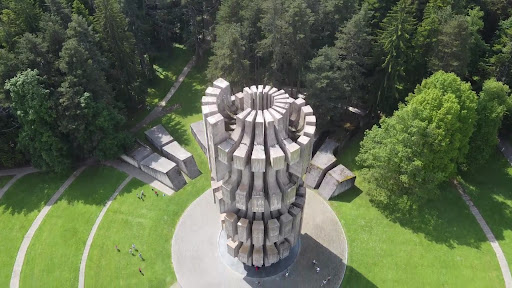
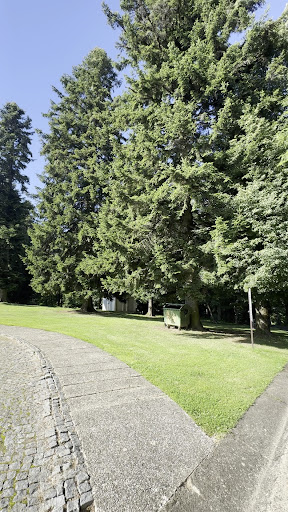
Monument to the Revolution "Mrakovica" things to do, attractions, restaurants, events info and trip planning
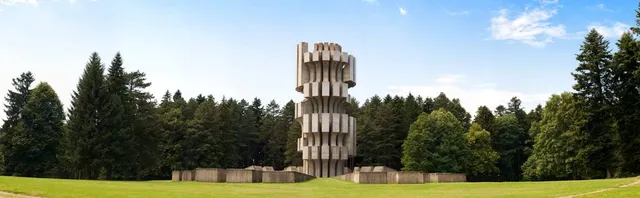
Basic Info
Monument to the Revolution "Mrakovica"
Memorijalni spomenik Kozara, Dera, Bosnia & Herzegovina
4.8(369)
Open until 12:00 AM
Save
spot
spot
Ratings & Description
Info
Monument to the Revolution is a World War II memorial sculpture by Dušan Džamonja, located at Mrakovica, one of the highest peaks of Kozara mountain, Bosnia and Herzegovina.
Cultural
Scenic
Outdoor
Accessibility
attractions: Kozara National Park, restaurants: , local businesses:
 Learn more insights from Wanderboat AI.
Phone
+387 52 211-169
Open hoursSee all hours
WedOpen 24 hoursOpen
Plan your stay

Pet-friendly Hotels in Козарац / Kozarac
Find a cozy hotel nearby and make it a full experience.

Affordable Hotels in Козарац / Kozarac
Find a cozy hotel nearby and make it a full experience.

The Coolest Hotels You Haven't Heard Of (Yet)
Find a cozy hotel nearby and make it a full experience.

Trending Stays Worth the Hype in Козарац / Kozarac
Find a cozy hotel nearby and make it a full experience.
Reviews
Nearby attractions of Monument to the Revolution "Mrakovica"
Kozara National Park
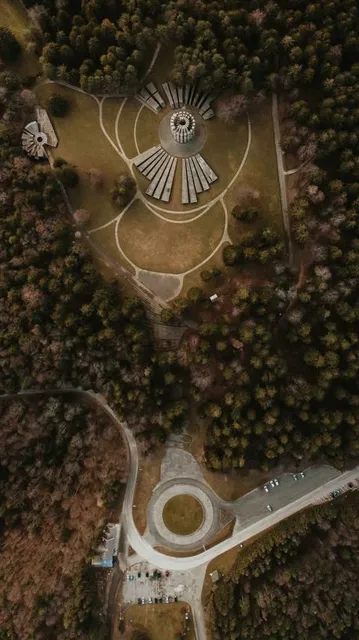
Kozara National Park
4.7
(1.9K)
Open until 12:00 AM
Click for details