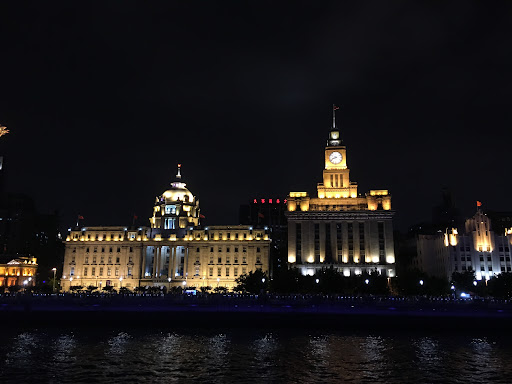
Nigh view from the River.
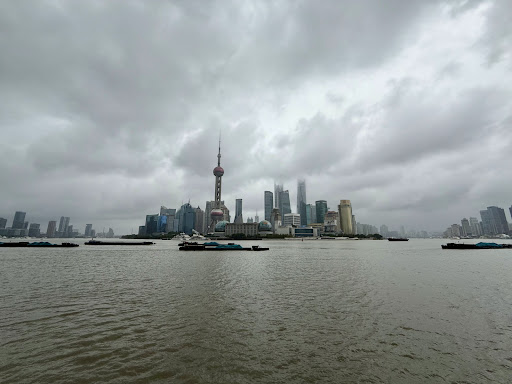
The Huangpu River is the lifeblood of Shanghai—both geographically and culturally. Stretching approximately 113 kilometers (70 miles), it divides the city into two iconic halves: Puxi (west of the river), the historic heart of Shanghai, and Pudong (east of the river), the modern financial hub. With a width ranging from 300 to 770 meters and an average depth of 9 meters, the river flows through 11 districts before merging with the Yangtze River at Wusong in Baoshan District .
Historical Significance
The Huangpu River has been central to Shanghai’s development since the Ming Dynasty. Formed in 1522, it became a vital artery for agriculture, irrigation, fishing, transportation, and flood control. Its strategic location turned Shanghai into a major port city, especially during the colonial era when foreign concessions were established along its banks . The river’s significance continued into the modern era, serving as a crucial shipping route and a source of drinking water for the city.
Modern-Day Importance
Today, the Huangpu River remains integral to Shanghai’s identity. It supplies approximately 40% of the city’s drinking water and continues to be a major shipping channel . The riverbanks have undergone significant revitalization, transforming former industrial zones into vibrant public spaces. Projects like the reconstruction of 22 kilometers of the east bank aim to create lively urban corridors that attract both locals and tourists .
Cultural and Recreational Hub
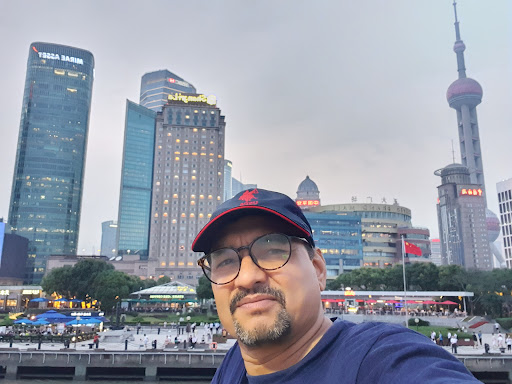
The Huangpu River is not just a functional waterway; it’s a cultural landmark. The Bund, located on the western bank, showcases a stunning array of colonial-era architecture, while the eastern bank in Pudong boasts futuristic skyscrapers like the Oriental Pearl Tower. River cruises offer panoramic views of these contrasting skylines, especially enchanting at night when the city lights reflect off the water. Additionally, the riverbanks host numerous festivals, art installations, and recreational activities, making it a dynamic space for community engagement.
Environmental Efforts
Recognizing the ecological importance of the Huangpu River, Shanghai has implemented measures to improve water quality and restore natural habitats. Efforts include reducing industrial discharges, enhancing sewage treatment, and promoting sustainable urban development along the riverbanks .
In summary, the Huangpu River is more than a geographical feature; it’s a symbol of Shanghai’s past, present, and future. From its historical role in shaping the city’s growth to its current status as a center for culture and recreation, the river continues to be a defining element of Shanghai’s...
Read more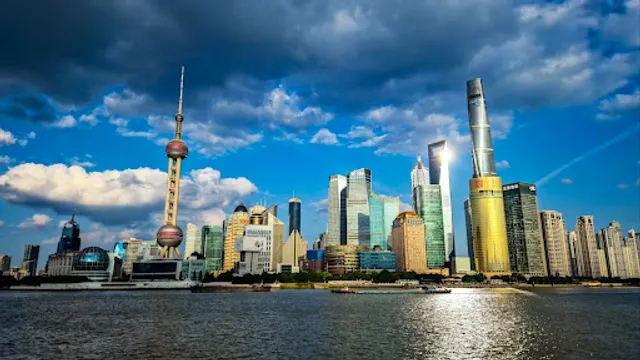
 Learn more insights from Wanderboat AI.