HTML SitemapExplore

Wudang Mountain — Local services in Shiyan

Name
Wudang Mountain
Description
The Wudang Mountains are a mountain range in the northwestern part of Hubei, China. They are home to a famous complex of Taoist temples and monasteries associated with the Lord of the North, Xuantian Shangdi.
Nearby attractions
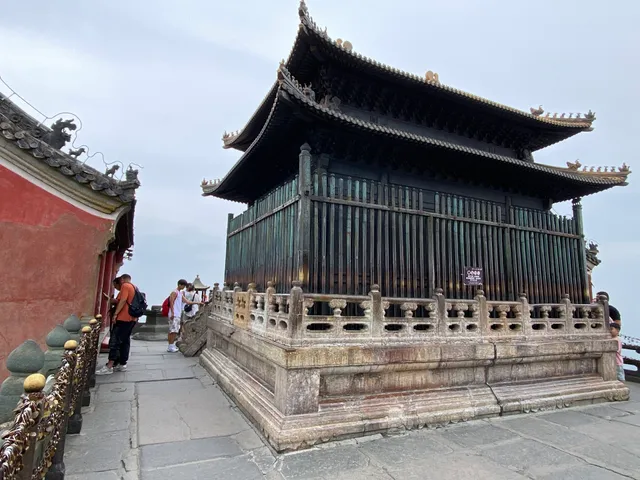
武当山金殿
C236+9PQ, Danjiangkou, Shiyan, Hubei, China, 442715
Nearby restaurants
Nearby local services
Nearby hotels
Related posts
Keywords
Wudang Mountain tourism.Wudang Mountain hotels.Wudang Mountain bed and breakfast. flights to Wudang Mountain.Wudang Mountain attractions.Wudang Mountain restaurants.Wudang Mountain local services.Wudang Mountain travel.Wudang Mountain travel guide.Wudang Mountain travel blog.Wudang Mountain pictures.Wudang Mountain photos.Wudang Mountain travel tips.Wudang Mountain maps.Wudang Mountain things to do.
Wudang Mountain things to do, attractions, restaurants, events info and trip planning
Wudang Mountain
ChinaHubeiShiyanWudang Mountain

Basic Info

Wudang Mountain

Danjiangkou, Shiyan, China, 442715
4.8(57)
Save
spot

Ratings & Description

Info

The Wudang Mountains are a mountain range in the northwestern part of Hubei, China. They are home to a famous complex of Taoist temples and monasteries associated with the Lord of the North, Xuantian Shangdi.

Cultural
Outdoor
Adventure
Scenic
Off the beaten path
attractions: 武当山金殿, restaurants: , local businesses:
logoLearn more insights from Wanderboat AI.

Plan your stay

hotel
Pet-friendly Hotels in Shiyan
Find a cozy hotel nearby and make it a full experience.
hotel
Affordable Hotels in Shiyan
Find a cozy hotel nearby and make it a full experience.
hotel
The Coolest Hotels You Haven't Heard Of (Yet)
Find a cozy hotel nearby and make it a full experience.
hotel
Trending Stays Worth the Hype in Shiyan
Find a cozy hotel nearby and make it a full experience.

Reviews

Nearby attractions of Wudang Mountain

武当山金殿

武当山金殿

武当山金殿

4.6

(23)

Open 24 hours
Click for details
Get the Appoverlay
Get the AppOne tap to find yournext favorite spots!
Wanderboat LogoWanderboat

Your everyday Al companion for getaway ideas

CompanyAbout Us
InformationAI Trip PlannerSitemap
SocialXInstagramTiktokLinkedin
LegalTerms of ServicePrivacy Policy

Get the app

© 2025 Wanderboat. All rights reserved.

Reviews of Wudang Mountain

4.8
(57)
avatar
5.0
1y

Wudang Mountain, the birthplace of Tai Chi and a UNESCO World Heritage site, is an awe-inspiring destination that combines cultural, historical, and natural splendor in one breathtaking location. As a Google Local Guide, I highly recommend a visit to this sacred site for anyone seeking to experience the profound beauty and rich heritage of China.

Wudang Mountain is deeply rooted in Chinese spirituality and Taoism. The mountain is home to numerous ancient temples and monasteries that date back centuries, each offering a glimpse into the mystical practices and beliefs of Taoist monks. The Golden Hall, perched atop the peak, is a particularly significant site, radiating a sense of peace and reverence that is palpable.

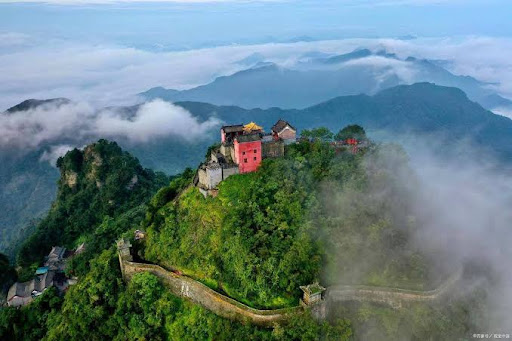
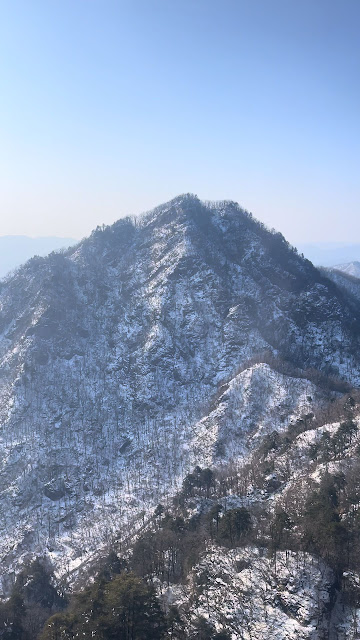
The landscape of Wudang Mountain is nothing short of spectacular. The mountain is covered in dense forests, craggy peaks, and winding trails, offering visitors a chance to immerse themselves in nature. The mist that often envelops the mountain adds an ethereal quality, making it feel as though you’ve stepped into a different world. The breathtaking views from various vantage points are worth every step of the climb.

The ancient architecture of Wudangshan is a testament to the ingenuity and artistry of the builders. The temples and palaces blend seamlessly into the mountain’s rugged terrain, creating a harmonious balance between human creation and nature. The craftsmanship is remarkable, with intricate carvings, statues, and murals that tell the stories of the past.

Wudang Mountain offers a variety of trails that cater to all levels of hikers. Whether you’re looking for a leisurely walk through lush landscapes or a challenging hike up to the highest peaks, Wudang has something for everyone. The trails are well-maintained, and the signage is clear, making it easy to navigate even for first-time visitors. Along the way, you’ll encounter serene streams, hidden caves, and ancient relics that add to the adventure.

For those interested in martial arts, Wudang is a must-visit. The mountain is renowned for its Tai Chi schools, where you can witness or even participate in the practice of this ancient discipline. The sight of students practicing Tai Chi amidst the tranquil surroundings is a powerful reminder of the mountain’s spiritual and cultural significance.

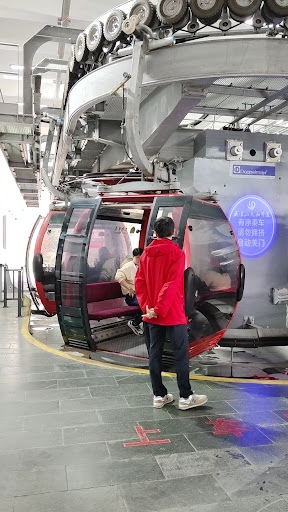
Despite its remote location, Wudang Mountain is surprisingly accessible. The transportation infrastructure is well-developed, with options for buses, cable cars, and shuttle services to help you reach different parts of the mountain. The facilities are modern and well-equipped, with restaurants, guesthouses, and shops providing everything you might need during your visit.

Wudang Mountain is a destination that offers a perfect blend of spiritual depth, cultural richness, and natural beauty. Whether you’re a history buff, a nature lover, a martial arts enthusiast, or simply someone looking for a peaceful retreat, Wudang Mountain will leave a lasting impression. It’s a place where the soul can find peace, the mind can explore ancient wisdom, and the body can challenge itself against the backdrop of one of China’s most revered landscapes. Highly recommended for any traveler looking to experience the...

   Read more

avatar
5.0
1y

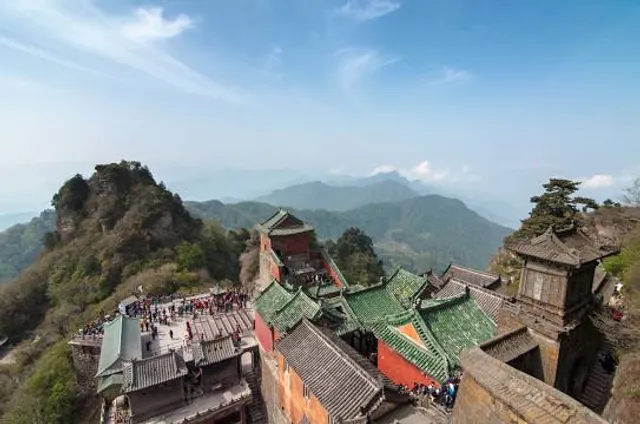
The palaces and temples of the Ancient Building Complex are located amongst the peaks, ravines and gullies of the picturesque Wudang Mountains, Hubei Province. Established as a Taoist centre from the early Tang Dynasty, some Taoist buildings could be traced back to the 7th century. However the surviving buildings exemplify the architectural and artistic achievements of China’s secular and religious buildings of the Yuan, Ming and Qing dynasties. The Ancient Building Complex reached its apogee during the Ming dynasty, with 9 palaces, 9 monasteries, 36 nunneries and 72 temples, following the major building campaign undertaken by Emperor Zhu Di to align his imperial regime with Taoism. Today, 53 ancient buildings and 9 architectural sites survive, including the Golden Shrine and the Ancient Bronze Shrine, which are prefabricated buildings in bronze made in 1307; the stone-walled Forbidden City of 1419; Purple Heaven Palace built originally in the 12th century, rebuilt in the 15th century and extended in the 19th century; the Nanyang Palace of the 12th and 13thcenturies; the Fuzhen Temple of the 15th and 17th centuries and the stone Zhishi-Xuanyue Gateway built to mark the entrance to the Wudang Mountains in 1522.

The buildings in the Wudang Mountains exhibit exceptional architectural art and technology and represent the highest level of Chinese art and architecture achieved over a period of nearly 1,000 years. They are examples of religious and secular buildings closely associated with the growth of Taoism in China and lavishly endowed by successive Emperors. As an exceptionally large and well-preserved Taoist building complex it is important material evidence for studying early Ming politics and the Chinese history...

   Read more
avatar
5.0
1y

Nằm ở phía Nam thành phố Thập Yển, Tây Bắc của tỉnh Hồ Bắc, núi Võ Đang là một ngọn núi thiêng nổi tiếng trong lịch sử Trung Quốc.

Ngọn núi này là một vùng đất thánh của Đạo giáo, nơi khai sinh môn võ Thái Cực quyền được cả thế giới biết đến của Trung Hoa. Ngọn núi kỳ vĩ và tuyệt đẹp này cũng thường xuyên xuất hiện trong các tác phẩm kiếm hiệp nổi tiếng của "vua" truyện chưởng Kim Dung.

Đạo giáo ở núi Võ Đang bắt đầu từ đời Chu do Doãn Hy mở. Theo truyền thuyết, Doãn Hy về ở ẩn tại Võ Đang sơn dưới chân vách đá Tam Thiên Môn.

Đạo giáo ở núi Võ Đang thịnh vượng nhất vào thời Minh. Việc này có quan hệ trực tiếp đến việc Yên vương Chu Đệ - người sau này trở thành hoàng đế thứ ba của nhà Minh - đã có sự hỗ trợ tinh thần từ các đạo sư nơi đây.

Sau khi giành ngôi, vào năm 1412, Minh Thành Tổ Chu Đệ lệnh cho xây dựng một hệ thống cung quán lớn ở núi Võ Đang, dùng đến rất nhiều lương tiền trong kho nhà nước, trưng dụng quân dân hơn 30 vạn người kéo dài 11 năm.

Ngày nay, quần thể công trình cổ của núi Võ Đang vẫn được gìn giữ khá nguyên vẹn. Đoạn đường dài 70 km từ chân núi đến đỉnh núi có đến 32 đền thờ Đạo Giáo chủ yếu được xây dựng theo lối kiến trúc thời nhà Nguyên, Minh, Thanh.

Không chỉ nổi tiếng với cảnh đẹp và các kiến trúc cổ, núi Võ Đang còn được nhiều người biết đến thông qua các tác phẩm kiếm hiệp của nhà văn nổi tiếng Trung Quốc Kim Dung - người vừa mới qua đời vào ngày hôm qua (30-10).

Năm 1994, ngọn núi này đã được UNESCO công nhận là Di sản văn...

   Read more
Page 1 of 7
Previous
Next

Posts

JacobJacob
Wudang Mountain, the birthplace of Tai Chi and a UNESCO World Heritage site, is an awe-inspiring destination that combines cultural, historical, and natural splendor in one breathtaking location. As a Google Local Guide, I highly recommend a visit to this sacred site for anyone seeking to experience the profound beauty and rich heritage of China. Wudang Mountain is deeply rooted in Chinese spirituality and Taoism. The mountain is home to numerous ancient temples and monasteries that date back centuries, each offering a glimpse into the mystical practices and beliefs of Taoist monks. The Golden Hall, perched atop the peak, is a particularly significant site, radiating a sense of peace and reverence that is palpable. The landscape of Wudang Mountain is nothing short of spectacular. The mountain is covered in dense forests, craggy peaks, and winding trails, offering visitors a chance to immerse themselves in nature. The mist that often envelops the mountain adds an ethereal quality, making it feel as though you’ve stepped into a different world. The breathtaking views from various vantage points are worth every step of the climb. The ancient architecture of Wudangshan is a testament to the ingenuity and artistry of the builders. The temples and palaces blend seamlessly into the mountain’s rugged terrain, creating a harmonious balance between human creation and nature. The craftsmanship is remarkable, with intricate carvings, statues, and murals that tell the stories of the past. Wudang Mountain offers a variety of trails that cater to all levels of hikers. Whether you’re looking for a leisurely walk through lush landscapes or a challenging hike up to the highest peaks, Wudang has something for everyone. The trails are well-maintained, and the signage is clear, making it easy to navigate even for first-time visitors. Along the way, you’ll encounter serene streams, hidden caves, and ancient relics that add to the adventure. For those interested in martial arts, Wudang is a must-visit. The mountain is renowned for its Tai Chi schools, where you can witness or even participate in the practice of this ancient discipline. The sight of students practicing Tai Chi amidst the tranquil surroundings is a powerful reminder of the mountain’s spiritual and cultural significance. Despite its remote location, Wudang Mountain is surprisingly accessible. The transportation infrastructure is well-developed, with options for buses, cable cars, and shuttle services to help you reach different parts of the mountain. The facilities are modern and well-equipped, with restaurants, guesthouses, and shops providing everything you might need during your visit. Wudang Mountain is a destination that offers a perfect blend of spiritual depth, cultural richness, and natural beauty. Whether you’re a history buff, a nature lover, a martial arts enthusiast, or simply someone looking for a peaceful retreat, Wudang Mountain will leave a lasting impression. It’s a place where the soul can find peace, the mind can explore ancient wisdom, and the body can challenge itself against the backdrop of one of China’s most revered landscapes. Highly recommended for any traveler looking to experience the essence of China.
Đất Tây Đô TravelĐất Tây Đô Travel
Nằm ở phía Nam thành phố Thập Yển, Tây Bắc của tỉnh Hồ Bắc, núi Võ Đang là một ngọn núi thiêng nổi tiếng trong lịch sử Trung Quốc. Ngọn núi này là một vùng đất thánh của Đạo giáo, nơi khai sinh môn võ Thái Cực quyền được cả thế giới biết đến của Trung Hoa. Ngọn núi kỳ vĩ và tuyệt đẹp này cũng thường xuyên xuất hiện trong các tác phẩm kiếm hiệp nổi tiếng của "vua" truyện chưởng Kim Dung. Đạo giáo ở núi Võ Đang bắt đầu từ đời Chu do Doãn Hy mở. Theo truyền thuyết, Doãn Hy về ở ẩn tại Võ Đang sơn dưới chân vách đá Tam Thiên Môn. Đạo giáo ở núi Võ Đang thịnh vượng nhất vào thời Minh. Việc này có quan hệ trực tiếp đến việc Yên vương Chu Đệ - người sau này trở thành hoàng đế thứ ba của nhà Minh - đã có sự hỗ trợ tinh thần từ các đạo sư nơi đây. Sau khi giành ngôi, vào năm 1412, Minh Thành Tổ Chu Đệ lệnh cho xây dựng một hệ thống cung quán lớn ở núi Võ Đang, dùng đến rất nhiều lương tiền trong kho nhà nước, trưng dụng quân dân hơn 30 vạn người kéo dài 11 năm. Ngày nay, quần thể công trình cổ của núi Võ Đang vẫn được gìn giữ khá nguyên vẹn. Đoạn đường dài 70 km từ chân núi đến đỉnh núi có đến 32 đền thờ Đạo Giáo chủ yếu được xây dựng theo lối kiến trúc thời nhà Nguyên, Minh, Thanh. Không chỉ nổi tiếng với cảnh đẹp và các kiến trúc cổ, núi Võ Đang còn được nhiều người biết đến thông qua các tác phẩm kiếm hiệp của nhà văn nổi tiếng Trung Quốc Kim Dung - người vừa mới qua đời vào ngày hôm qua (30-10). Năm 1994, ngọn núi này đã được UNESCO công nhận là Di sản văn hóa thế giới.
Natouchphong AisiNatouchphong Aisi
ภูเขาอู่ตัง (Wudang Mountain) ในภาษาจีนกลาง หรือ บู๊ตึ๊ง ในภาษาจีนฮกเกี้ยน เป็นทิวเขาที่ตั้งอยู่ในมณฑลหูเป่ย์ ประเทศสาธารณรัฐประชาชนจีน เป็นยอดเขาที่สูงที่สุดใน 72 ยอดเขาของมณฑลหูเปย์ อยู่ห่างจากตัวตำบลอู่ตัง Wudang ประมาณ 1 ชั่วโมง ไล่ไปตามแนวภูเขา เมื่อถึงภูเขาอู่ตัง จะต้องนั่งกระเช้าขึ้นไป 1 สถานี ระยะทางประมาณ 3 กิโลเมตร เมื่อถึงสถานี้ด้านบน จะต้องเดินขึ้นไปประมาณ 700 กว่าขั้น เพื่อสู่ตัวหมู่อาคารต่าง ๆ ในแต่ละระดับ และจุดสูงสุดเป็นที่ตั้งบูชาเจ้าพ่อเสือ ต้นตำรับแห่งแรก และมีวิหารที่สร้างครอบตั้งแต่สมัยราชวงศ์หมิง แบะมีการบูรณะต่อเติมมาจนถึงสมัยราชวงศ์ชิง หมายเหตุ: ไม่เหมาะกับผู้สูงอายุที่เดินไม่ค่อยไหว ผู้พิการ และผู้ที่มีโรคประจำตัว เช่น โรคหัวใจ หอบหืด เป็นต้น
See more posts
See more posts
hotel
Find your stay

Pet-friendly Hotels in Shiyan

Find a cozy hotel nearby and make it a full experience.

Wudang Mountain, the birthplace of Tai Chi and a UNESCO World Heritage site, is an awe-inspiring destination that combines cultural, historical, and natural splendor in one breathtaking location. As a Google Local Guide, I highly recommend a visit to this sacred site for anyone seeking to experience the profound beauty and rich heritage of China. Wudang Mountain is deeply rooted in Chinese spirituality and Taoism. The mountain is home to numerous ancient temples and monasteries that date back centuries, each offering a glimpse into the mystical practices and beliefs of Taoist monks. The Golden Hall, perched atop the peak, is a particularly significant site, radiating a sense of peace and reverence that is palpable. The landscape of Wudang Mountain is nothing short of spectacular. The mountain is covered in dense forests, craggy peaks, and winding trails, offering visitors a chance to immerse themselves in nature. The mist that often envelops the mountain adds an ethereal quality, making it feel as though you’ve stepped into a different world. The breathtaking views from various vantage points are worth every step of the climb. The ancient architecture of Wudangshan is a testament to the ingenuity and artistry of the builders. The temples and palaces blend seamlessly into the mountain’s rugged terrain, creating a harmonious balance between human creation and nature. The craftsmanship is remarkable, with intricate carvings, statues, and murals that tell the stories of the past. Wudang Mountain offers a variety of trails that cater to all levels of hikers. Whether you’re looking for a leisurely walk through lush landscapes or a challenging hike up to the highest peaks, Wudang has something for everyone. The trails are well-maintained, and the signage is clear, making it easy to navigate even for first-time visitors. Along the way, you’ll encounter serene streams, hidden caves, and ancient relics that add to the adventure. For those interested in martial arts, Wudang is a must-visit. The mountain is renowned for its Tai Chi schools, where you can witness or even participate in the practice of this ancient discipline. The sight of students practicing Tai Chi amidst the tranquil surroundings is a powerful reminder of the mountain’s spiritual and cultural significance. Despite its remote location, Wudang Mountain is surprisingly accessible. The transportation infrastructure is well-developed, with options for buses, cable cars, and shuttle services to help you reach different parts of the mountain. The facilities are modern and well-equipped, with restaurants, guesthouses, and shops providing everything you might need during your visit. Wudang Mountain is a destination that offers a perfect blend of spiritual depth, cultural richness, and natural beauty. Whether you’re a history buff, a nature lover, a martial arts enthusiast, or simply someone looking for a peaceful retreat, Wudang Mountain will leave a lasting impression. It’s a place where the soul can find peace, the mind can explore ancient wisdom, and the body can challenge itself against the backdrop of one of China’s most revered landscapes. Highly recommended for any traveler looking to experience the essence of China.
Jacob

Jacob

hotel
Find your stay

Affordable Hotels in Shiyan

Find a cozy hotel nearby and make it a full experience.

Get the Appoverlay
Get the AppOne tap to find yournext favorite spots!
Nằm ở phía Nam thành phố Thập Yển, Tây Bắc của tỉnh Hồ Bắc, núi Võ Đang là một ngọn núi thiêng nổi tiếng trong lịch sử Trung Quốc. Ngọn núi này là một vùng đất thánh của Đạo giáo, nơi khai sinh môn võ Thái Cực quyền được cả thế giới biết đến của Trung Hoa. Ngọn núi kỳ vĩ và tuyệt đẹp này cũng thường xuyên xuất hiện trong các tác phẩm kiếm hiệp nổi tiếng của "vua" truyện chưởng Kim Dung. Đạo giáo ở núi Võ Đang bắt đầu từ đời Chu do Doãn Hy mở. Theo truyền thuyết, Doãn Hy về ở ẩn tại Võ Đang sơn dưới chân vách đá Tam Thiên Môn. Đạo giáo ở núi Võ Đang thịnh vượng nhất vào thời Minh. Việc này có quan hệ trực tiếp đến việc Yên vương Chu Đệ - người sau này trở thành hoàng đế thứ ba của nhà Minh - đã có sự hỗ trợ tinh thần từ các đạo sư nơi đây. Sau khi giành ngôi, vào năm 1412, Minh Thành Tổ Chu Đệ lệnh cho xây dựng một hệ thống cung quán lớn ở núi Võ Đang, dùng đến rất nhiều lương tiền trong kho nhà nước, trưng dụng quân dân hơn 30 vạn người kéo dài 11 năm. Ngày nay, quần thể công trình cổ của núi Võ Đang vẫn được gìn giữ khá nguyên vẹn. Đoạn đường dài 70 km từ chân núi đến đỉnh núi có đến 32 đền thờ Đạo Giáo chủ yếu được xây dựng theo lối kiến trúc thời nhà Nguyên, Minh, Thanh. Không chỉ nổi tiếng với cảnh đẹp và các kiến trúc cổ, núi Võ Đang còn được nhiều người biết đến thông qua các tác phẩm kiếm hiệp của nhà văn nổi tiếng Trung Quốc Kim Dung - người vừa mới qua đời vào ngày hôm qua (30-10). Năm 1994, ngọn núi này đã được UNESCO công nhận là Di sản văn hóa thế giới.
Đất Tây Đô Travel

Đất Tây Đô Travel

hotel
Find your stay

The Coolest Hotels You Haven't Heard Of (Yet)

Find a cozy hotel nearby and make it a full experience.

hotel
Find your stay

Trending Stays Worth the Hype in Shiyan

Find a cozy hotel nearby and make it a full experience.

ภูเขาอู่ตัง (Wudang Mountain) ในภาษาจีนกลาง หรือ บู๊ตึ๊ง ในภาษาจีนฮกเกี้ยน เป็นทิวเขาที่ตั้งอยู่ในมณฑลหูเป่ย์ ประเทศสาธารณรัฐประชาชนจีน เป็นยอดเขาที่สูงที่สุดใน 72 ยอดเขาของมณฑลหูเปย์ อยู่ห่างจากตัวตำบลอู่ตัง Wudang ประมาณ 1 ชั่วโมง ไล่ไปตามแนวภูเขา เมื่อถึงภูเขาอู่ตัง จะต้องนั่งกระเช้าขึ้นไป 1 สถานี ระยะทางประมาณ 3 กิโลเมตร เมื่อถึงสถานี้ด้านบน จะต้องเดินขึ้นไปประมาณ 700 กว่าขั้น เพื่อสู่ตัวหมู่อาคารต่าง ๆ ในแต่ละระดับ และจุดสูงสุดเป็นที่ตั้งบูชาเจ้าพ่อเสือ ต้นตำรับแห่งแรก และมีวิหารที่สร้างครอบตั้งแต่สมัยราชวงศ์หมิง แบะมีการบูรณะต่อเติมมาจนถึงสมัยราชวงศ์ชิง หมายเหตุ: ไม่เหมาะกับผู้สูงอายุที่เดินไม่ค่อยไหว ผู้พิการ และผู้ที่มีโรคประจำตัว เช่น โรคหัวใจ หอบหืด เป็นต้น
Natouchphong Aisi

Natouchphong Aisi

See more posts
See more posts