I recently had the pleasure of visiting the National Lipizzan Stud Farm in Đakovo, and I must say it was an unforgettable experience. This equestrian haven not only houses magnificent Lipizzan horses but also offers a fantastic horse training show that left me in awe.
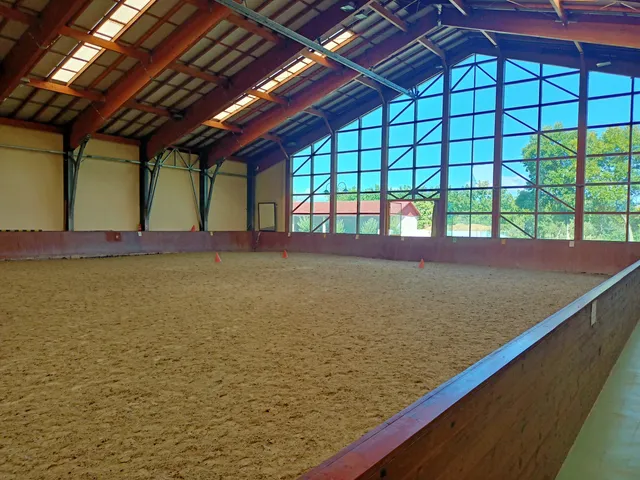
The highlight of my visit was undoubtedly the horse training show held in the impressive big horse arena. The skilled trainers showcased the remarkable abilities of the Lipizzan horses through a series of breathtaking maneuvers and graceful movements. The combination of elegance, precision, and harmony between the trainers and their horses was truly captivating. The show was not only entertaining but also educational, as the trainers explained the history and characteristics of these magnificent creatures.
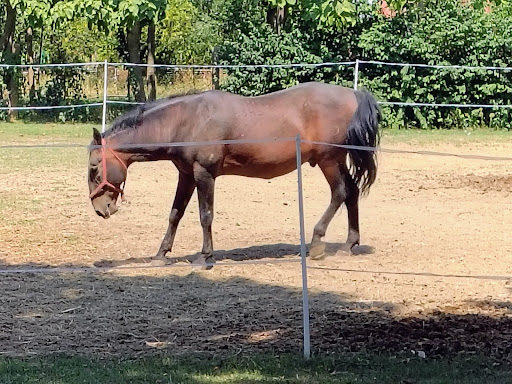
The beauty of the National Lipizzan Stud Farm extended beyond the arena. The outside field, where the horses freely roamed, was a sight to behold. The well-maintained facilities and lush surroundings added to the charm of the place. It was evident that the staff took great pride in ensuring the comfort and welfare of the horses.
What impressed me the most were the studs themselves. The Lipizzan horses, known for their distinctive white coats, were breathtakingly beautiful. Their regal presence and graceful movements were a testament to their excellent breeding and meticulous care. It was a pleasure to witness their strength, agility, and intelligence up close.
One of the aspects I particularly appreciated about the National Lipizzan Stud Farm is its family-friendly atmosphere. The horse training show was an engaging experience for both adults and children. The young ones were enthralled by the majestic horses and their dazzling performances. The farm also offered opportunities for interaction with the horses, allowing visitors to get closer and learn more about these magnificent creatures.
My visit to the National Lipizzan Stud Farm in Đakovo was an unforgettable experience. The horse training show in the big horse arena, the well-maintained facilities, and the sheer beauty of the Lipizzan studs all contributed to a wonderful day out. Whether you're a horse enthusiast, a history buff, or simply looking for an enjoyable family activity, I highly recommend visiting this...
Read moreIt's quite interesting place to visit. Since the pandemic is still going on, I feel it's important to say that grown-ups need a COVID certificate to enter, kids do not. You need to leave your contact details. You can visit the biggest riding school (jahaonica) in Croatia and four stables that house stallions. There are detailed genealogies about each horse. There is a playground for kids, and once you exit the premises there is a café, conveniently named Potkova (Horseshoe). There is also a small souvenir shop at the entrance. The tickets for kids and retired people are...
Read moreSavršeno! Lipicanac je jedna od najstarijih pasmina konja u Europi, a iza njega je preko 400 godina selekcijskog rada. Pasmina je dobila ime po ergeli Lipica u današnjoj Sloveniji gdje su se konji uzgajali za austrijski dvor. Nastao je uzgojem i križanjem španjolskih pastuha i kraških kobila u 16. stoljeću. U genomu današnjih lipicanaca možemo naći plemenitu krv kraškog, španjolskog, arapskog, kladrubskog konja i nekoliko talijanskih pasmina. Tako danas imamo 8 linija pastuha: Pluto (Danska), Maestoso i Favory (Kladburska), Conversano i Napolitano (Napuljska), Siglavy (Arapski), Tulipan (Hrvatska) i Incitato (Mađarska). Prema uputama za provedbu selekcije međunarodne krovne uzgojne organizacije Lipizzan International Federation (LIF), visina lipicanca kreće se od 155 - 160 cm, a masa tijela do 500kg. Dominantna je siva boja uz pojavu senilnog leucizma, što znači da se ždrijebad ždrijebi tamne boje, a sa starenjem dlaka svijetli i na kraju postaje gotovo bijela. Lipicance odlikuje plemenitost, inteligencija i izdržljivost. Upravo zbog tih kvaliteta koriste se jako puno u visokim dresurnim školama jahanja te u dresurnom i zaprežnom sportu. U Hrvatskoj se uzgaja od 1806. Godine, a rasprostranjen je u mnogim zemljama, te su važniji uzgoji su u Sloveniji, Austriji, Italiji, Hrvatskoj, Mađarskoj, Rumunjskoj...
Read more