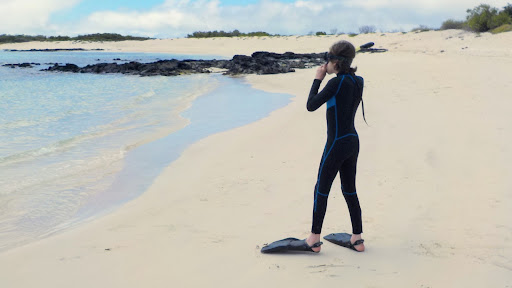
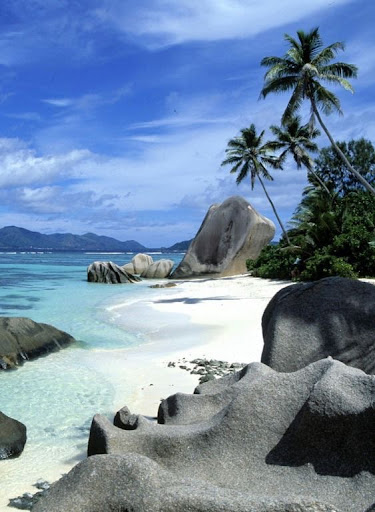
🌋 Overview: Where Nature Writes Its Own Rules
The Galápagos Islands are an archipelago of volcanic islands located about 600 miles off the coast of Ecuador. Made famous by Charles Darwin’s visit in 1835, they remain one of the world’s most pristine ecosystems and a UNESCO World Heritage Site. With 13 major islands and dozens of smaller islets, each has its own unique terrain, species, and vibe.
🐢 Wildlife: Evolution’s Playground
The islands are a living museum of biodiversity. Many species here are found nowhere else on Earth:
Giant Tortoises: These gentle giants can live over 100 years and weigh up to 500 pounds.
Marine Iguanas: The only sea-swimming lizards in the world, often seen sunbathing on lava rocks.
Blue-Footed Boobies: Their comical mating dance and bright blue feet are a tourist favorite.
Flightless Cormorants: A rare bird that evolved to swim rather than fly.
Galápagos Penguins: The only penguins found north of the equator.
Wildlife is so abundant and unafraid of humans that you’ll often find sea lions lounging on park benches or iguanas crossing hiking trails.
🏝️ Landscapes & Activities
Each island offers a distinct experience:
Island Highlights
Santa Cruz Home to Puerto Ayora, Charles Darwin Research Station, and lava tunnels.
Isabela Largest island with Sierra Negra Volcano, flamingos, and snorkeling sites.
San Cristóbal Great for surfing, sea lions, and the 360° tour to Kicker Rock.
Floreana Rich in pirate history and mysterious legends.
Española Best for spotting waved albatross and dramatic cliff views.
Activities include:
Snorkeling & Diving: Swim with sharks, rays, turtles, and sea lions.
Hiking: Trails through volcanic craters, mangroves, and cactus forests.
Kayaking & Paddleboarding: Calm bays and clear waters make for serene paddling.
Wildlife Photography: No zoom lens needed—animals often come right up to you.
🚢 Cruise vs. Land-Based Travel
You can explore the Galápagos via cruise or by staying on populated islands:
Cruises
🛳 Offer access to remote islands.
🧭 Guided excursions with naturalists.
🧴 Limited amenities, but immersive nature experience.
Land-Based
🏨 More flexibility and comfort.
🚌 DIY tours or day trips.
🍽 Easier access to local culture and cuisine.
Cruises are ideal for deep exploration, while land-based travel suits those who prefer independence and a slower pace2.
🌦️ Climate & Best Time to Visit
Warm Season (Dec–May): Hot, humid, and best for snorkeling. Occasional tropical showers.
Cool Season (Jun–Nov): Cooler temps, rougher seas, and better for hiking and birdwatching.
September tends to be warm with some rain, but still great for wildlife viewing.
🧳 Practical Tips
🧢 Sun Protection: The equatorial sun is intense—bring reef-safe sunscreen, hats, and long sleeves.
💵 Cash is King: Many tours and small shops don’t accept cards.
🐾 Respect the Rules: Stay on marked trails, don’t touch wildlife, and follow your guide’s instructions.
📶 Limited Connectivity: Wi-Fi is sparse—embrace the digital detox.
💸 Fees: Expect a $100 National Park entrance fee and a $20 Transit Control Card.
🧠 Final Thoughts: Is It Worth It?
Absolutely. The Galápagos Islands are not just a destination—they’re a revelation. Whether you're a biology buff, a photography enthusiast, or just someone who wants to feel like they’ve stepped into another world, this archipelago delivers. It’s not cheap, and it’s not luxurious in the traditional sense, but it’s one of the most enriching and awe-inspiring places...
Read more
 Learn more insights from Wanderboat AI.