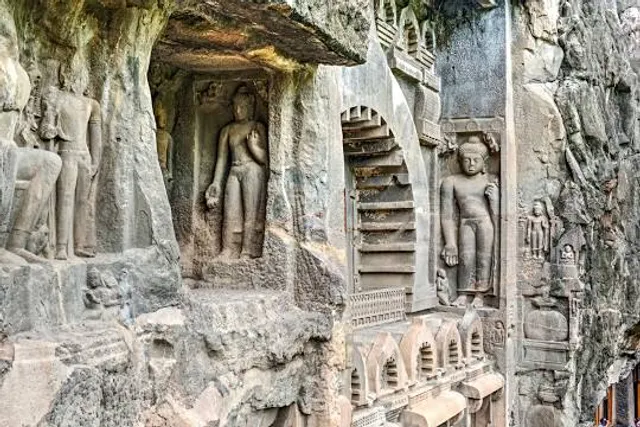
The Shivleni Caves (Shiva leni; Jogai Mandap; Hattikhana) in Ambajogai, Maharashtra, India are rock-cut cave monuments[1] which date in King Udayaditya (reigned c. 1060–1087) from Paramara dynasty of Malwa. Total excavations were hewn out of rock cut and carved deep inside the hill. The caves include sculptures of Hindu deities like Shiva, Saptamatrukas and Ganesha.
The site is listed in "List of State Protected Monuments in Maharashtra" as a protected monument in the care of the Department of Archaeology of Maharashtra, [2]under the Maharashtra Ancient Monuments and Archeological Sites and Remains Act, 1960. The Shivleni Caves have also been an Archaeological Survey of India Heritage Site.
Nestled in the culturally rich town of Ambajogai, near Latur in Maharashtra, Hatti Khana, also known as Yogeshwari Devi Lagna Mandap, is a historical gem that beckons both devotees and history enthusiasts. This site, steeped in ancient lore and architectural grandeur, offers a unique blend of religious significance and historical charm.
Upon arrival, one is immediately captivated by the majestic aura of the place. The site is intrinsically linked to the revered Yogeshwari Devi temple, making it a pivotal point of spiritual activities in the region. As you explore the area, the first thing that stands out is the series of caves and rock-cut structures that form the backbone of Hatti Khana. These caves, which date back to ancient times, are marvels of rock-cut architecture, showcasing intricate carvings that reflect the artistic prowess of the era.
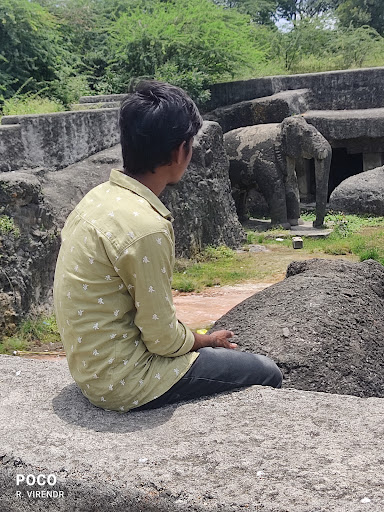
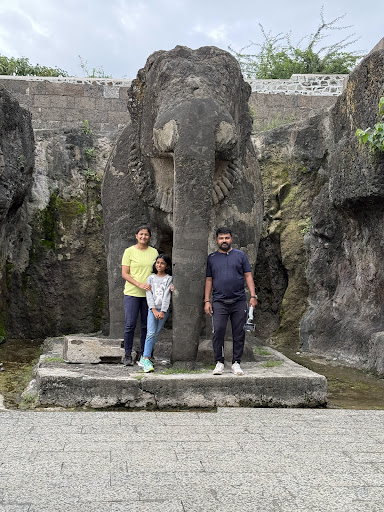
One of the most striking features of Hatti Khana is the statues of elephants carved out of rock. These statues are not only artistically impressive but also symbolically significant. They serve as guardians of the site and add a unique character to the caves. The craftsmanship of these sculptures speaks volumes about the skill and dedication of the artisans who created them. These elephants, standing proudly at the entrance, create a grand and inviting atmosphere for visitors.
The Yogeshwari Devi Lagna Mandap itself is an essential part of the temple complex. It is a hub of religious activity, especially during festivals and special ceremonies. The mandap is frequently used for weddings and other significant rituals, making it a vital part of the community's cultural and spiritual life. The atmosphere here is one of reverence and devotion, and the energy of the devotees adds to the site's charm.
Visiting Hatti Khana offers a profound experience, blending spiritual fulfillment with a deep appreciation for India's historical and cultural heritage. The peaceful ambiance, coupled with the ancient architecture, provides a perfect escape from the hustle and bustle of modern life. Whether you are a devotee seeking blessings or a history buff eager to explore ancient Indian architecture, Hatti Khana and Yogeshwari Devi Lagna Mandap will leave a lasting impression.
In conclusion, Hatti Khana is more than just a religious site; it is a testament to the rich cultural tapestry of Maharashtra. It offers a serene and spiritually enriching experience, backed by the grandeur of ancient rock-cut architecture. A visit to this site is highly recommended for anyone interested in exploring the depths of India's historical and...
Read more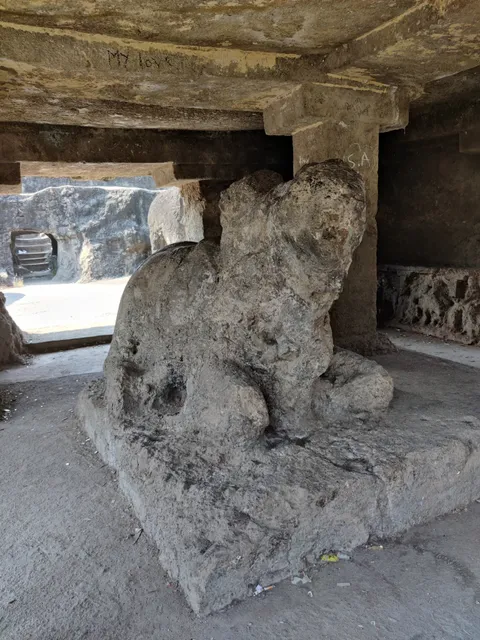
 Learn more insights from Wanderboat AI.