Bobbili Kota is a historic fort located in the town of Bobbili in the Vizianagaram district of the Indian state of Andhra Pradesh. The fort dates back to the 18th century and is known for its unique architecture and historical significance. Here's a detailed review of Bobbili Kota:
History: The fort was built in 1754 by Pedda Rayudu, the second son of the Raja of Bobbili, as a defensive structure against the invading French army. It was later expanded by his son, Chinna Rangudu, in the early 19th century. The fort was also the site of the famous Bobbili war of 1757, where the Raja of Bobbili and his soldiers fought against the French and their allies.
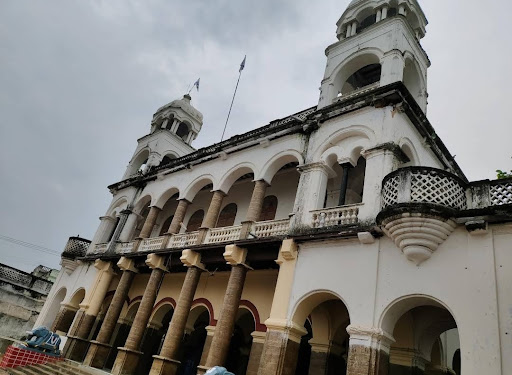
Architecture: Bobbili Kota is a magnificent structure built with red laterite stones. The fort has three gateways, each of which has its own significance. The first gateway leads to a courtyard with a temple dedicated to Lord Venugopala Swamy. The second gateway leads to the Darbar hall, where the Raja used to hold his court. The third gateway leads to the palace complex, which consists of several buildings and courtyards.
The fort's architecture is a blend of Hindu and Islamic styles, with influences from the Mughal, Rajput, and Vijayanagara styles. The fort has several features, including underground chambers, secret passages, and traps to ward off intruders.
Tourism: Bobbili Kota is a popular tourist destination and attracts visitors from all over the country. The fort is well-maintained, and visitors can explore the various courtyards, buildings, and temples within the complex. The fort also houses a museum that showcases the history of the fort and the Bobbili war.
The best time to visit Bobbili Kota is between October and March, as the weather is pleasant and conducive to sightseeing.
Conclusion: Bobbili Kota is a must-visit destination for anyone interested in history and architecture. The fort's unique blend of Hindu and Islamic styles, along with its historical significance, make it a fascinating place to explore. The well-preserved complex and the museum provide visitors with a glimpse into the past, making it a worthwhile destination for anyone visiting the...
Read moreThe Bobbili Fort, located in the Vizianagaram district of the Indian state of Andhra Pradesh, was built during the middle of the 19th century in Bobbili. It has a historical link to the nearby mud fort of the same name which was destroyed during the Bobbili war in 1757 in a feud between the Rajas of Bobbili and the neighbouring Maharaja of Vizianagaram
Chinna Ranga Rao, who survived the Battle of Bobbili as a child was, at a later date, installed as the Raja of Bobbili. The successors of his lineage constructed the present Bobbili Fort following their improved economic conditions in the middle of the 19th century.
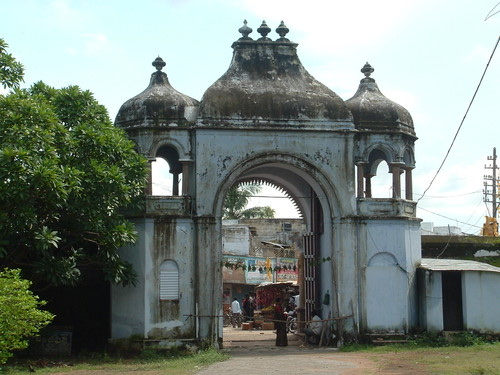
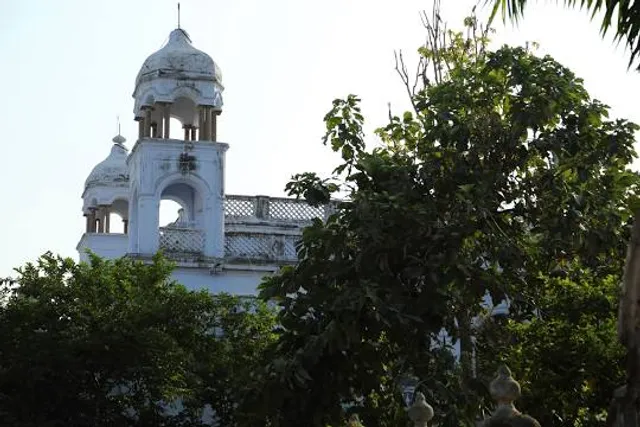
The existing fort covers an area of 10 acres (4.0 ha) and was built by Chinna Ranga Rao after he regained his kingdom which was improved upon by his successors in the mid-19th century. The fort complex has an impressive entrance gate in Indo-Sarcenic architectural style with high dome and many mantapas, Durbar Hall, four major palaces and two temples.
Bobbili is 55 kilometres (34 mi) away from Vizianagaram, which is well-connected by rail and road links. The nearest railway station is Vizianagaram, a key railway junction on the Raipur-Vizianagaram railway line. There is a bridge across Vedavati River which provides...
Read moreOne of the must visit location in bobbili, Vizianagaram.The Bobbili Fort, located in the Vizianagaram district of the Indian state of Andhra Pradesh, was built during the middle of the 19th century in Bobbili. It has a historical link to the nearby mud fort of the same name which was destroyed during the Bobbili war in 1757 in a feud between the Rajas of Bobbili and the neighbouring Maharaja of Vizianagaram. So whoever visiting bobbili, it's a request to have a viewing experience of this fort , because it's located at heart of the bobbili city. Chinna Ranga Rao, who survived the Battle of Bobbili as a child was, at a later date, installed as the Raja of Bobbili. The successors of his lineage constructed the present Bobbili Fort following their improved economic conditions in the middle of the 19th century.
The existing fort covers an area of 10 acres (4.0 ha) and was built by Chinna Ranga Rao after he regained his kingdom which was improved upon by his successors in the mid-19th century. The fort complex has an impressive entrance gate in Indo-Sarcenic architectural style with high dome and many mantapas, Durbar Hall, four major palaces and...
Read more