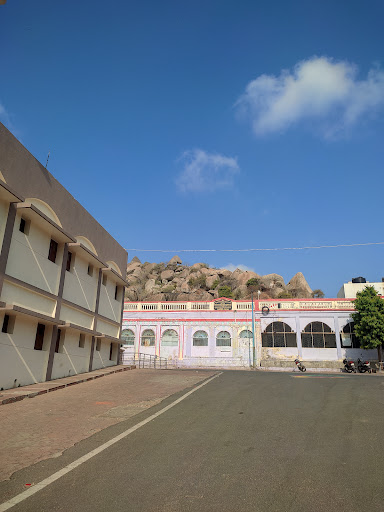
Taranga Hills Mehsana
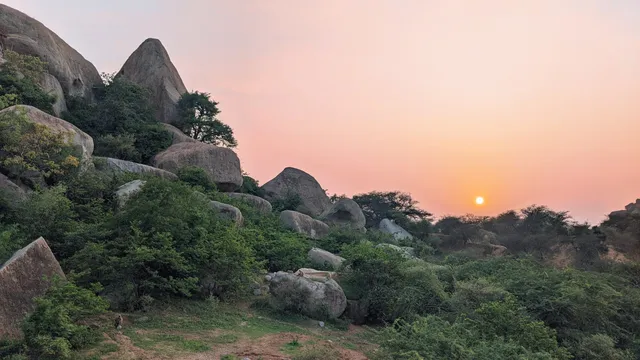
Located in the plush green Aravali mountain range, Taranga Hills are known to have deep connections with Jainism and Buddhism. The three peaked hill is at a distance of around 20 kilometers from Vadnagar and are known to have many Jain monks striding about the banks of the Saraswati River barefooted robed in a simple white cloth.
The mountains as well as the village derive their name from the Taranmata Devi shrine which is on top of the hill. The goddess, also known as Dharanmata is actually the Buddhist goddess Tara. This is an old shrine that displays many broken terracotta images of Gautama Buddha. There are also four images carved on a stone plate and brick walls. There are also some rock shelters for them.
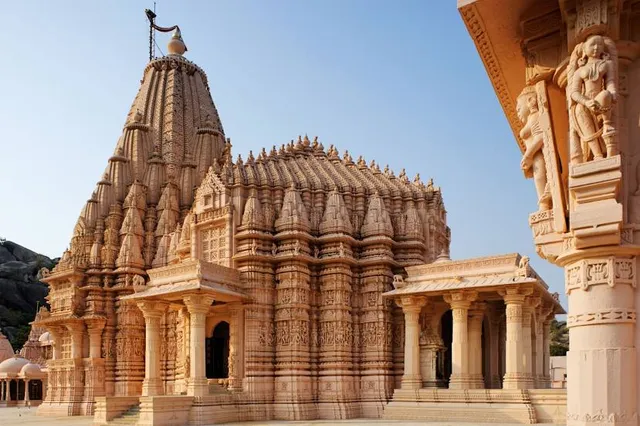
As your feet take you upward towards the Taranga Jain Derasar, the hills suffused with greenery and fresh air welcome you to one of the best preserved temples of Gujarat. This temple (Derasar in Sanskrit) is known to be one of the best preserved and also the least restored places of religious importance in the entire Gujarat. People often refer to it as a testament of dedication and true devotion to the Lord by the Solanki Rajputs. While the Taranga Hills are known to be off the beaten path of normal tourists, it is known as one of the most treasured architectural marvels of India.
The Derasar houses a magnificent 5 meters tall sculpture of Bhagwan Adinath, the 2nd Tirthankar of the Jains sitting peacefully as if entranced into a world of unspeakable inner peace and tranquility. This lingering sculpture is contrasted marvelously by the sensual and fluid movements of dancing Gods, Goddesses and Maidens, all of them in excellent detail! The two other peaks are known to have temples dedicated to other Jain Tirthankars Bhagwan Neminath and Bhagwan Mallinath who are known to attained “moksha” or omniscience here. As such, it is no wonder why this place holds an important place in the life of Jains today. Taranga Hills of Mehsana are also considered one of the five important Mahatirthas for followers of Jainism.
While it was the Digambara sect of Jains who originally inhabited Taranga Hills, it is also said that close to 35,000,000 monks attained moksha here. At some point during the 12th century, Solanki King Kumarpal, who himself belonged to the Svetambara sect, is known to have selected this site for the erection of the present day temple dedicated to Lord Ajitnath. This construction was inspired by sage Kalikasarvajna Acharya Henchandra. The construction was completed in the year 1200, the Vikram Era.
In Jain ancient scriptures, Taranga is described by various names like Tar-ur, Taravar nagar, Tarangiri, Tarangadh etc. “Kumar Pratibodh”, composed In Vikram Samvat 1241 by Acharya Shri Somprabhsuriji, states that in Vikram 1st century, Raja Vatsarai of this area impressed by religious discourses from Acharya Shri Baputacharya accepted Jain religion and built the temple of the Guardian deity of Jainism Shri Siddhayakadevi. The history of the in-between period is not available. It is possible this shrine may have been lost sight of during this intermediate period.
The present Swetamber Jain temple, according to a reference found, has been built by Solanki king Kumarpal under the guidance of Jain Acharya Shri Hemchandrachrya in Vikram Samvat 1221. Another reference states that on Falgun Sukla 2 in Vikram Samvat 1284 the leader of the Jain congregation Shri Vastupal got ceremonially installed idols of Shri Adinath Bhagwan in two niches of this temple at the hands of Shri Nagendra Gachchhacharaya Shri Vijaysensuriji. Both these idols are not available today but their seats with inscriptions are available...
Read more
 Learn more insights from Wanderboat AI.