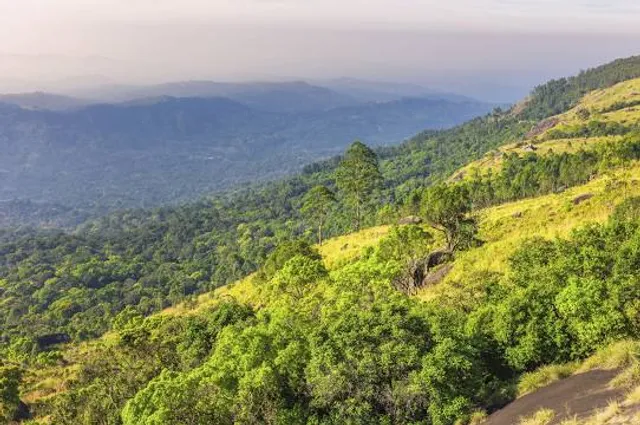
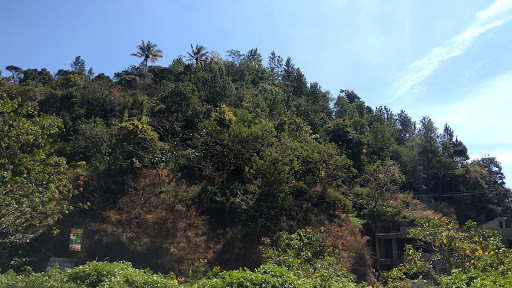
The Cardamom Hills, nestled within the Western Ghats of Kerala, present a captivating tapestry of verdant landscapes, aromatic spice plantations, and an abundance of biodiversity. This enchanting region, also known as the Cardamom Hills, offers a sensory journey into nature's embrace, making it a quintessential destination for those seeking tranquility and natural beauty.
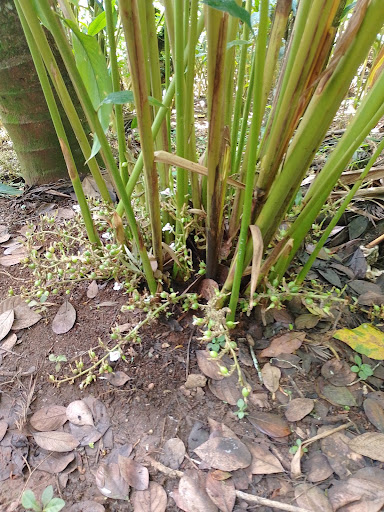
The hills are adorned with vast stretches of cardamom plantations, their lush greenery creating a scenic panorama that unfolds as far as the eye can see. The Cardamom Hills are not only a visual spectacle but also a fragrant haven, with the air infused with the heady aroma of the cardamom spice, a key element in the region's economy and culture.
The undulating terrain of the Cardamom Hills conceals hidden gems within its folds. Meandering streams and rivers wind their way through the hills, creating picturesque landscapes that are not only visually appealing but also provide a source of life to the flora and fauna that call this region home.
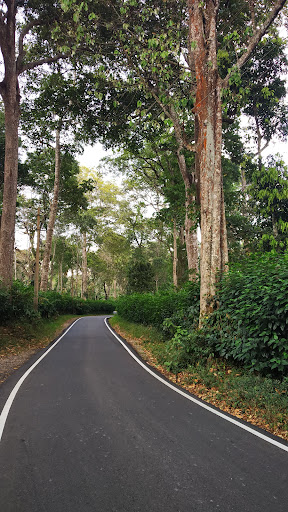
The Cardamom Hills are a biodiversity hotspot, hosting a variety of plant and animal species. The lush evergreen forests are habitat to a myriad of birds, including the vibrant Malabar Trogon and the resplendent Great Hornbill. For wildlife enthusiasts, the opportunity to spot elusive creatures like the Indian elephant, Indian bison (gaur), and various species of deer adds an element of adventure to the exploration of these hills.
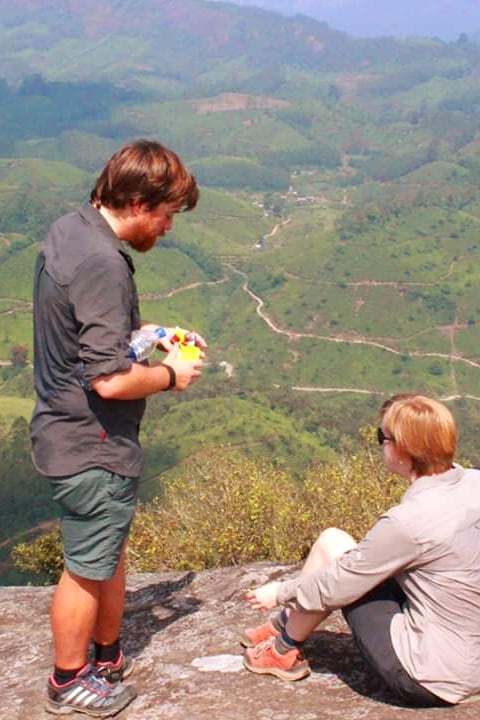
The region offers numerous trekking trails, allowing visitors to immerse themselves in the natural splendor of the Cardamom Hills. Guided tours provide insights into the cultivation of spices, offering a glimpse into the traditional practices that have shaped the landscape and culture of this region.
In conclusion, the Cardamom Hills beckon as a sensory retreat, where the sights, scents, and sounds of nature converge to create an immersive experience. Whether exploring spice plantations, trekking through lush forests, or simply basking in the tranquility of the hills, this region stands as a testament to the allure of Kerala's...
   Read moreThe Cardamom Hills or Yela Mala are mountain range of southern India and part of the southern Western Ghats located in southeast Kerala and southwest Tamil Nadu in India. Their name comes from the cardamom spice grown in much of the hills' cool elevation, which also supports pepper and coffee. The Western Ghats and Periyar Sub-Cluster including the Cardamom Hills, are UNESCO World Heritage Sites.
Cardamom Hills near Thekkady in Kerala Geography The Cardamom Hills central point is about 9°52âēN 77°09âēE. They cover about 2,800 km2 of mountainous terrain with deep valleys, and includes the drainages of the west flowing Periyar, Mullayar and Pamba rivers. It includes Idukki Dam and Mullaperiyar Dam. They conjoin the Anaimalai Hills to the northwest, the Palani Hills to the northeast and the Pothigai to the south as far as the Aryankavu pass (at c. 9° N). The crest of the hills form the boundary between Kerala and Tamil Nadu. Anamudi (8,842 ft (2695 m)) in Eravikulam National Park, is the highest peak in Western ghats and also the highest point in India south of the Himalayas. The Mountain Renges are Full of Natural resources and Beauty of Mother Nature. You Can feel it yourself everywhere in Cardamom hills. Mother Nature is...
   Read moreThe Cardamom Hills region produces tea, coffee, teak, and bamboo as well as the cardamom for which it is named. Most of its produce is shipped eastward through Tamil Nadu state down the Kambam River valley. The name Cardamom Hills is sometimes used for the entire Western Ghats range south of Palghat Gap. Following states are the major producers of cardamom in India: 1. Kerala â 70% 2. Karnataka â 20% 3. Tamil Nadu â 10% Idukki district in Kerala is the major cardamom-producing area and places such as Udumbanchola taluka, Peermede taluka and Devikulam taluka are important centres in Idukki district. The Cardamom Hills or Yela Mala are mountain range of southern India and part of the southern Western Ghats located in southeast Kerala and southwest Tamil Nadu in India. Their name comes from the cardamom spice grown in much of the hills' cool elevation, which also supports...
   Read more