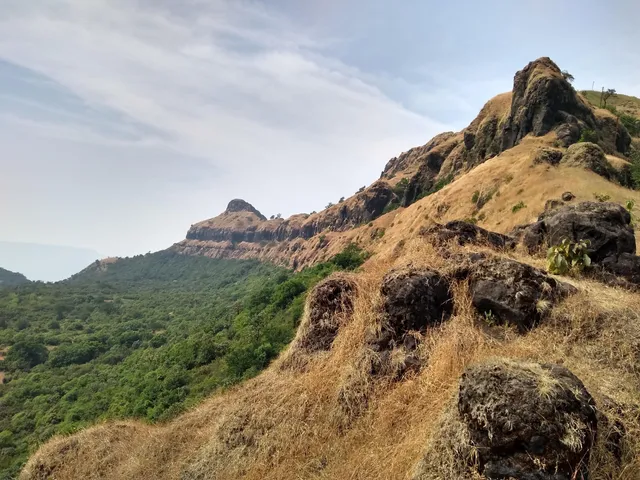
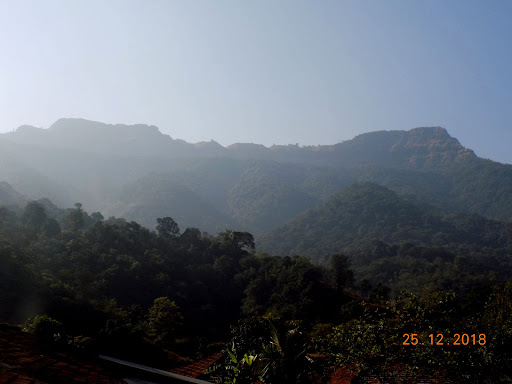
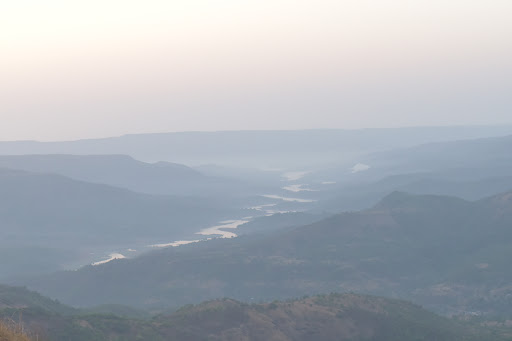
Makrand Fort, also known as Makrandgad, is a historical gem nestled in the Western Ghats of Maharashtra. This lesser-known fort, perched at an elevation of approximately 4,000 feet, offers a perfect blend of adventure, history, and natural beauty, making it a captivating destination for trekkers and history enthusiasts alike.
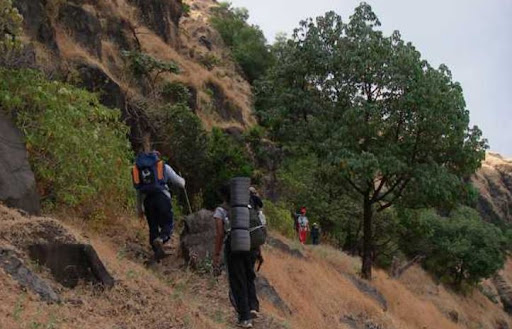
The trek to Makrand Fort is an exhilarating experience. The journey begins from the base village of Hatlot, and as you ascend, you're treated to panoramic views of the surrounding Sahyadri range. The trail is moderately challenging, making it suitable for both novice and experienced trekkers. The route is dotted with dense forests, cascading streams, and vibrant flora, adding to the trek's allure. Monsoon and post-monsoon seasons are particularly picturesque, with lush greenery and flowing waterfalls enhancing the scenic beauty.
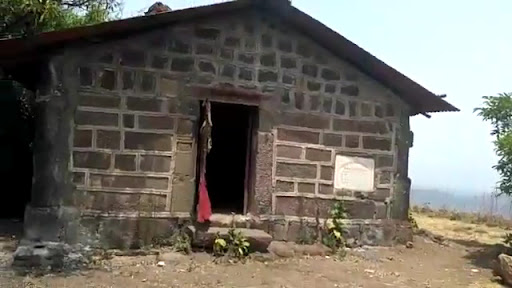
Upon reaching the fort, visitors are greeted by ancient ruins that whisper tales of a bygone era. The fort's history dates back to the Maratha empire, and it served as a strategic lookout point. The remnants of old fortifications, water tanks, and a temple dedicated to Lord Shiva evoke a sense of historical significance. The fortтАЩs summit offers breathtaking, unobstructed views of the Konkan region and neighboring peaks like Pratapgad and Mahabaleshwar.
While the fort is not as well-preserved as some of its more famous counterparts, its rugged charm and untouched beauty make it a unique destination. The tranquility and isolation of Makrand Fort provide a perfect respite from the hustle and bustle of city life.
In summary, Makrand Fort is a hidden treasure that promises an enriching experience filled with adventure, history, and natural splendor. Whether you're a trekker, history buff, or nature lover, a visit to this fort is sure to leave you with lasting memories and a deep appreciation for Maharashtra's...
┬а┬а┬аRead moreDespite being a tourist destination like Mahabaleshwar and a famous Fort place like Pratapgad, this fort has remained neglected by amateur hikers; however, it has remained in the love of the Sahyadri fort-loving hikers. It is on the main ridge of the Sahyadri and its height is more than four thousand feet. The path from Hatlot village to this fort tests your willpower. While going to Pratapgad from Mahabaleshwar, just one kilometer before the Pratapgad fort, the path to the village splits on the left. After crossing this path, the path then goes to the right. On this path is the historical bridge over the Koyna river built by Chhatrapati Shivaji. After going a little further from there, the fort leading to Kasrud тАЛтАЛand Hatlot splits on the right. We reach Hatlot village through a winding path through a very small village in the Sahyadri hills. From there, after crossing the stream behind the village, the climb to Makarand fort begins on a straight, steep climb. After about two hours of climbing, there is a slight flat area. Here, on the left, you can see the path from Ghonaspur (Ghonaspur village on the Mahabaleshwar-Tapola road can also be reached here) village and the spacious Mallikarjuna temple below the last ridge of the fort. The small temple on the fort and the path leading to the water tank are very exciting. The vast and magnificent view of the Sahyadri valleys seen from above gives an impression of samadhi solitude. Since we have climbed so much from Hatlot village, even while descending, the legs and knees are literally tested. The pleasure of the shade provided by the dense forest on this path is indescribable! рдорд╣рд╛рдмрд│реЗрд╢реНрд╡рд░ рд╕рд╛рд░рдЦреНрдпрд╛ рдкрд░реНрдпрдЯрдХрдкреНрд░рд┐рдп рд╕реНрдерд│рд╛рдЪреНрдпрд╛ рд╡ рдкреНрд░рддрд╛рдкрдЧрдб рд╕рд╛рд░рдЦреНрдпрд╛ рдкреНрд░рд╕рд┐рджреНрдз рджреБрд░реНрдЧрд╛ рд╢реЗрдЬрд╛рд░реА рдЕрд╕реВрдирд╣реА рд╣реМрд╢реА рднрдЯрдХреНрдпрд╛ рдХрдбреВрди рдЙрдкреЗрдХреНрд╖рд┐рдд рд░рд╛рд╣рд┐рд▓реЗрд▓рд╛ рд╣рд╛ рдХрд┐рд▓реНрд▓рд╛; рд╕рд╣реНрдпрд╛рджреНрд░реА рджреБрд░реНрдЧрдкреНрд░реЗрдореА рднрдЯрдХреНрдпрд╛ рдордВрдбрд│реАрдВрдЪреНрдпрд╛ рдкреНрд░реЗрдорд╛рдд рдорд╛рддреНрд░ рд░рд╛рд╣рд┐рд▓рд╛ рдЖрд╣реЗ. рд╕рд╣реНрдпрд╛рджреНрд░реАрдЪреНрдпрд╛ рдореБрдЦреНрдп рдзрд╛рд░реЗрд╡рд░ рдЕрд╕реВрди рдпрд╛рдЪреА рдЙрдВрдЪреА рдЪрд╛рд░ рд╣рдЬрд╛рд░ рдлреБрдЯрд╛рдкреЗрдХреНрд╖рд╛ рдЬрд╛рд╕реНрдд рдЖрд╣реЗ. рдпрд╛ рдЧрдбрд╛рдЪреА рд╣рд╛рддрд▓реЛрдЯ рдЧрд╛рд╡рд╛рдХрдбреВрдирдЪреА рд╡рд╛рдЯ рдЖрдкрд▓реНрдпрд╛ рдЗрдЪреНрдЫрд╛рд╢рдХреНрддреАрдЪреА рдкрд░реАрдХреНрд╖рд╛ рдкрд╛рд╣рддреЗ. рдорд╣рд╛рдмрд│реЗрд╢реНрд╡рд░ рд╡рд░реВрди рдкреНрд░рддрд╛рдкрдЧрдбрд▓рд╛ рдЬрд╛рддрд╛рдирд╛ рдЕрдЧрджреА рдкреНрд░рддрд╛рдкрдЧрдб рдлрд╛рдЯреНрдпрд╛рдЪреНрдпрд╛ рдЕрд▓реАрдХрдбреЗ рдПрдХ рдХрд┐рд▓реЛрдореАрдЯрд░ рд╡рд░, рдбрд╛рд╡реНрдпрд╛ рд╣рд╛рддрд╛рд╕ рдкрд╛рд░ рдЧрд╛рд╡рд╛рдЪреА рд╡рд╛рдЯ рдлреБрдЯрддреЗ. рдпрд╛ рд╡рд╛рдЯреЗрдиреЗ рдкрд╛рд░ рдкрд╛рд░ рдХрд░реВрди рдкреБрдвреЗ рддреА рд╡рд╛рдЯ рдЙрдЬрд╡реАрдХрдбреЗ рдЬрд╛рддреЗ. рдпрд╛рдЪ рд╡рд╛рдЯреЗрд╡рд░ рдЫрддреНрд░рдкрддреА рд╢рд┐рд╡рд░рд╛рдпрд╛рдВрдиреА рдмрд╛рдВрдзрд▓реЗрд▓рд╛ рдХреЛрдпрдирд╛ рдирджреАрд╡рд░реАрд▓ рдРрддрд┐рд╣рд╛рд╕рд┐рдХ рдкреВрд▓ рдЖрд╣реЗ. рддрд┐рдереВрди рдереЛрдбреЗ рдкреБрдвреЗ рдЧреЗрд▓реНрдпрд╛рд╡рд░ рдЙрдЬрд╡реНрдпрд╛ рд╣рд╛рддрд╛рд▓рд╛ рдХрд╕рд░реБрдб рд╡ рд╣рд╛рддрд▓реЛрдЯ рдХрдбреЗ рдЬрд╛рдгрд╛рд░рд╛ рдлрд╛рдЯрд╛ рдлреБрдЯрддреЛ. рд╕рд╣реНрдпрд╛рджреНрд░реАрдЪреНрдпрд╛ рдХреБрд╢реАрддрд▓реНрдпрд╛ рдЕрддреНрдпрдВрдд рдЫреЛрдЯреНрдпрд╛ рдЫреЛрдЯреНрдпрд╛ рдЧрд╛рд╡рд╛рддреВрди рд╡рд│рдгрд╛рд╡рд│рдгрд╛рдЪреНрдпрд╛ рд╡рд╛рдЯреЗрдиреЗ рдЖрдкрдг рд╣рд╛рддрд▓реЛрдЯ рдЧрд╛рд╡рд╛рдд рдкреЛрд╣реЛрдЪрддреЛ. рддрд┐рдереВрди рдЧрд╛рд╡рд╛рдЪреНрдпрд╛ рдкрд╛рдареАрдорд╛рдЧрдЪрд╛ рдУрдврд╛ рдкрд╛рд░ рдХрд░реВрди, рд╕рд░рд│ рдЙрднреНрдпрд╛ рдЪрдврдгреАрдЪреНрдпрд╛ рд╡рд╛рдЯреЗрдиреЗ рдордХрд░рдВрдж рдЧрдбрд╛рдЪреА рдЪрдврд╛рдИ рд╕реБрд░реВ рд╣реЛрддреЗ. рдЬрд╡рд│рдкрд╛рд╕ рджреЛрди рддрд╛рд╕рд╛рдЪреНрдпрд╛ рдЪрдврдгреАрдирдВрддрд░ рдереЛрдбреАрд╢реА рд╕рдкрд╛рдЯреА рдкреНрд░рджреЗрд╢ рд▓рд╛рдЧрддреЛ. рдЗрдереЗ рдбрд╛рд╡реАрдХрдбреВрди рдШреЛрдгрд╕рдкреБрд░ (рдорд╣рд╛рдмрд│реЗрд╢реНрд╡рд░ рддрд╛рдкреЛрд│рд╛ рд░рд╕реНрддреНрдпрд╛рд╡рд░реАрд▓ рдпрд╛ рдШреЛрдгрд╕рдкреВрд░ рдЧрд╛рд╡рд╛рддреВрдирд╣реА рдЗрдереЗ рдкреЛрд╣реЛрдЪрддрд╛ рдпреЗрддреЗ.) рдЧрд╛рд╡рд╛рдХрдбреВрди рдЖрд▓реЗрд▓реА рд╡рд╛рдЯ рд╡ рдЧрдбрд╛рдЪреНрдпрд╛ рд╢реЗрд╡рдЯрдЪреНрдпрд╛ рдХрдбреНрдпрд╛рдЪреНрдпрд╛ рдЦрд╛рд▓реА рдЕрд╕рдгрд╛рд░реЗ рдкреНрд░рд╢рд╕реНрдд рдорд▓реНрд▓рд┐рдХрд╛рд░реНрдЬреБрди рдордВрджрд┐рд░ рджрд┐рд╕рддреЗ. рдЧрдбрд╛рд╡рд░ рдЕрд╕рдгрд╛рд░реЗ рдЫреЛрдЯреЗрдЦрд╛рдиреА рдордВрджрд┐рд░ рдЖрдгрд┐ рдкрд╛рдгреНрдпрд╛рдЪреНрдпрд╛ рдЯрд╛рдХреНрдпрд╛ рдХрдбреЗ рдЬрд╛рдгрд╛рд░реА рд╡рд╛рдЯ рдЕрддреНрдпрдВрдд рд░реЛрдорд╣рд░реНрд╖рдХ рдЖрд╣реЗ. рд╡рд░реВрди рджрд┐рд╕рдгрд╛рд░рд╛ рд╕рд╣реНрдпрд╛рджреНрд░реАрдЪреНрдпрд╛ рджрд▒реНрдпрд╛рдЦреЛрд▒реНрдпрд╛рдВрдЪрд╛ рд╡рд┐рд░рд╛рдЯ рдЖрдгрд┐ рднрд╡реНрдп рджреЗрдЦрд╛рд╡рд╛ рддрд┐рддрдХрд╛рдЪ рд╕рдорд╛рдзрд┐рд╕реНрдд рдПрдХрд╛рдВрддрд╛рдЪрд╛ рднрд╛рд╕ рджреЗрддреЛ. рд╣рд╛рддрд▓реЛрдЯ рдЧрд╛рд╡рд╛рдХрдбреВрди рдЗрддрдХреА рдЪрдврд╛рдИ рдХреЗрд▓реА рдЕрд╕рд▓реНрдпрд╛рдореБрд│реЗ рдЙрддрд░рддрд╛рдирд╛ рд╕реБрджреНрдзрд╛ рдкрд╛рдп рдЖрдгрд┐ рдЧреБрдбрдШреЗ рдпрд╛рдВрдЪреА рдЕрдХреНрд╖рд░рд╢: рдХрд╕реЛрдЯреА рдкрд╛рд╣рд┐рд▓реА рдЬрд╛рддреЗ. рдпрд╛ рд╡рд╛рдЯреЗрд╡рд░ рдШрдирджрд╛рдЯ рдЬрдВрдЧрд▓рд╛рддреВрди рдорд┐рд│рдгрд╛рд▒реНрдпрд╛ рд╕рд╛рд╡рд▓реАрдЪреЗ рд╕реБрдЦ...
┬а┬а┬аRead moreMakarandgad (or Madhumakarandgad) is a hill fort in the state of Maharashtra. Believed to be comprised of twin peaks, Madhu and Makarandgad, the fort has thus derived its name.
Situated n the district of Satara, the fort rises to an elevation of 4000 feet from the ground There are freshwater cisterns and tanks of water in the fort. The top of the fort is more of a plateau than a hill, and has a Mallikarjun Mahadev temple. The way to the fort has a huge Gamdevi temple. The fortifications sre all gone, and not much remains to be seen. The dense orests of Javli surround the fort from all sides. The beautiful backwaters of Koyna and Shivsagar dams can be seen easily from the top, along with the peaks of Pratapgad and...
┬а┬а┬аRead more