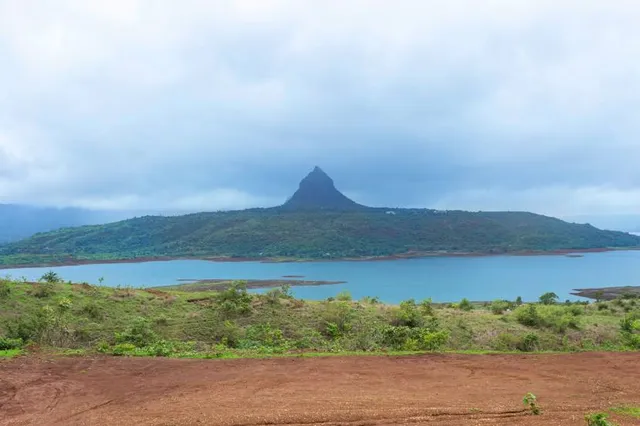
Difficulty Level - EASY Trek Time - 1 Hour (One way) Tung Fort, also known as Kathingad, is a scenic and relatively lesser-known trekking destination located near the picturesque Pawana Lake. Situated in the Western Ghats, this fort offers stunning panoramic views, especially on clear days when the landscape unfolds in all its natural beauty. The fort is a great spot for both nature lovers and history enthusiasts.
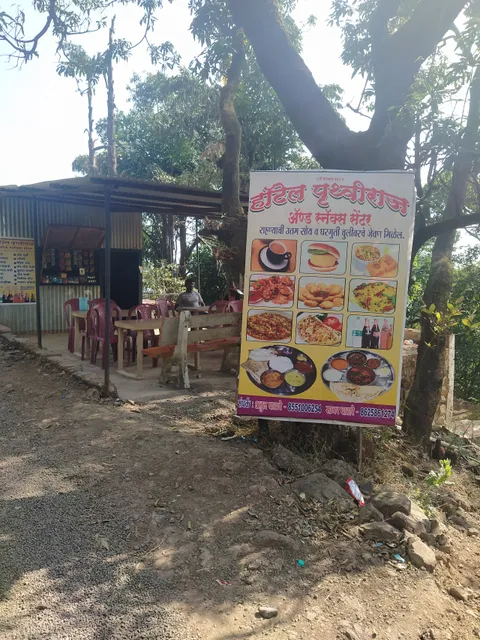
Getting There: The journey to the base village of Tung Fort is easily accessible, with the road conditions being good throughout the way. From Lonavala, it takes about an hour to reach the base camp of the fort. The route is surrounded by lush greenery, which adds to the charm of the trip. Upon arrival at the base village, parking facilities are available for both 4-wheelers and 2-wheelers. Parking charges are quite reasonable—Rs. 20 for 2-wheelers and Rs. 40 for 4-wheelers. Additionally, the base village offers basic amenities such as washrooms and changing rooms. You will also find a small stall where refreshments and snacks can be bought before or after the trek.
Trekking to the Fort: The trek to the top of Tung Fort is a moderately easy one and can typically be completed in about an hour. It is important to carry sufficient water and food provisions as there are limited options along the route. Also, ensure that you wear comfortable, sturdy footwear as the terrain can be a little uneven in some places.
While trekking, you can enjoy beautiful views of Pawana Lake, Mahindra and Mahindra Resort, and the remnants of the fort walls. These offer some fantastic opportunities for photography along the way. Once you reach the summit, you are greeted with the sight of a flagpole and an under-construction temple. However, apart from these, there are not many historical structures remaining at the top.
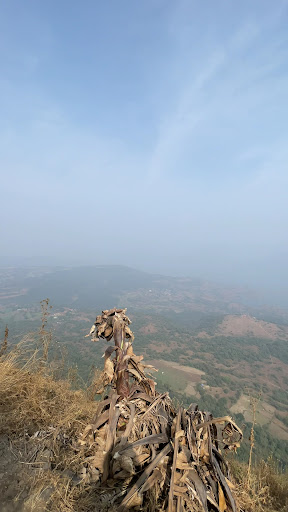
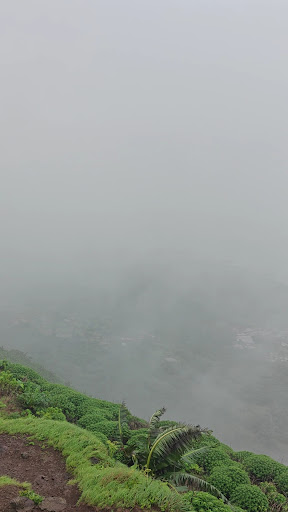
At the Summit: The top of Tung Fort offers spectacular 360-degree views of the surrounding valleys, hills, and the beautiful Pawana Lake below. It's an excellent spot for those seeking solitude and peace amidst nature. While there are no significant forts or ancient structures left to explore, the feeling of standing atop a historical fort surrounded by nature is rewarding in itself.
The return journey is quicker, taking around 40 minutes, and you can retrace your steps back to the base village.
Additional Tips: Wear comfortable and suitable footwear, especially for the rocky terrain. Carry enough water to stay hydrated. As the trek is relatively short, it’s ideal for a half-day trip, but if you plan on exploring the area around the lake or relaxing at the base village, you can...
Read moreOne of the ancient forts is an identity of kathingad. The antiquity of the fort is evidenced by the small size remnants of 'Shivlinga'. The jong underground caves carved into the pinnacle of the fort during the satvahana period as it is a very dense forest its perimeter has been known as Tungaranya'.
The First mention of Kathingad in the middle ages is found in the persion book 'Burhane Masiri' By Sayyad Ali Tabataba in 1482-83, Ahmed, Son of Malik Nayab invaded Junnar & kokan provinces in 1482 & conquered Tung the Nizam Shah Seized a of wealth from tung fort from the fact that Tung was used for military base during the Bahamani & Yadav periods until 1636. Tung was in possession of the Nizam Shah from 1636 to 1657. The fort was in the possession of Adil Shah in 1656 57 Chatrapati Shivajee Maharaj Conquered the forts of Maval taluka to strengthen the swarajya in this Tung fort came under the control of Marathas on Thursday, 4" Sept 1656 Chatrapati Shivajee Maharaj changed the name of Many forts in the swarajya. In that tung us renamed as 'Kathingad' Twenty three of the forty forts in the swrajya had to be given to the Mughal sardar Mirza Jaysing After going Kathingad to Mughals its name was found as 'Tapki' & 'Patki. After the sacrifice of the Chatrapati Sambhaji maharaj most of the forts in the swarajya were conquered by the mughals but even in this critical situation Kathingad was on the Marathas side until 1704. Amanullah Khan, The fort chief & Faujdar of the chakan & the mughals forces.
Besieged kathingad & conquered the fort on 13" may 1704. On 20" May 1704 Amanullah khan was given the title of Alawardi khan & name of the kathingad was changed the 'bankigad' at the behest of Aurangjeb. Kuvarmal, the son of the kartaldas became the fortkeeper of Vitandagad (Tikona) fort and Latter Abhay Ram was appointed as the fortkeeper of bankigad after the death of Aurangjeb on 20" Feb 1707. The Mughals Southern expedition cooled down & The marathas resumed their expedition to recapture their lost forts from the mughals. The important fort Kathingad soon came to Chatrapati Shahu Maharaj through Balaji Vishwanath Peshwa colonel prother conquered many important forts in Maharashtra in 1818 & in the same year kathingad came under the British rule, later on the British gave it back to Bhorkar Including kathingad all the institutions merged into independent india.
Summary: This Kathingad fort is considered politically & militarily important in ancient, medieval & modern times. Source & Credit :...
Read moreIt is about 12 km from Malavli railway station and can also be approached from Lonavala. Tung Fort has an elevation of 1075 m above sea level.Since Pawna was built, it is now surrounded by water on three sides. One can ferry across in a boat from Pawna dam to its base village, Tungi.
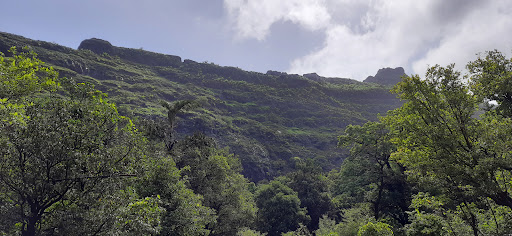
Tung fort is also named Kathingad fort. The word "Kathin" in Marathi means difficult. While climbing, one can experience the difficult challenge of reaching this fort. The fort is conical and has steep climbs with a very narrow route on the edge of the mountain throughout. From Pawana dam, reaching this fort requires a 400-metre climb.
From Lonavala, one can reach the base village Tungwadi around 20 km via Bushy Dam-INS Shivaji-Peth Shahapur-Tungwadi. From Tungwadi village, reaching this fort requires about a 300-metre climb. Road is not so good to travel, work in progress.
History Tung Fort was built before 1600 CE. It was built by the Adil Shahi dynasty but was captured by Chatrapati Shivaji Maharaj.It is small, and not able to hold more than 200 troops at a time. As such, it would not have been able to defend itself on its own for a long time. Its shape and structure suggest that its main function was as a watchtower guarding the road to Pune city. The Dhamale family, one of the Deshmukh from the Maval region, was charged with ensuring the security of Tung Fort. During invasion, it served to provide a temporary distraction for invaders. Thus, the major forts of Visapur and Lohagad would have time to prepare themselves to meet the invading army.This fort served as a watchtower in the past because from top of the fort, a lot of area in the Maval region of the Pawana and Mulshi valleys can be seen, and thus, from the top of the fort, a watch on these...
Read more