Bagh Buddhist Caves, a historical landmark located in Naingaon, Madhya Pradesh, District Dhar, is a fascinating site that offers a glimpse into India's rich Buddhist heritage. As I ventured into the caves, I was immediately struck by the aura of serenity and spirituality that enveloped the surroundings.
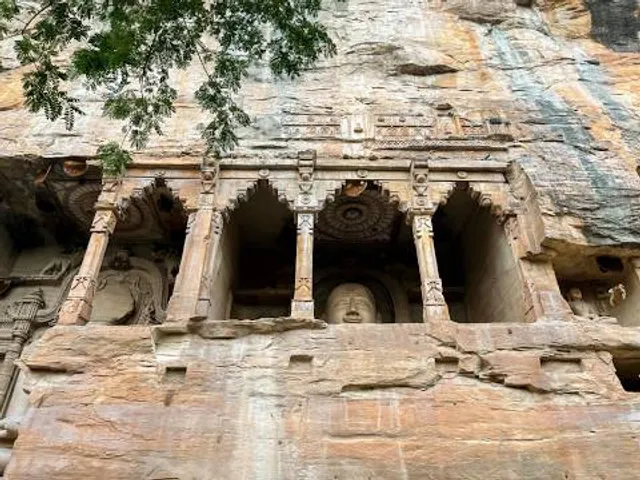
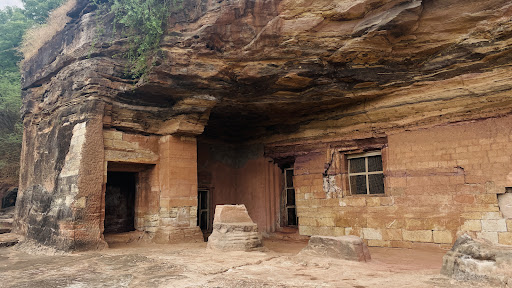
The first thing that caught my eye was the impressive rock-cut architecture of the caves. Carved meticulously into the hills, these ancient caves boast intricate designs and intricate sculptures that showcase the artistry and craftsmanship of the time. The detailing on the statues of Buddha and other deities was awe-inspiring, with each figure emanating a sense of tranquility and enlightenment.
Exploring the interior of the caves was an enchanting experience. The dimly lit chambers created an atmosphere of mystique, making it easy to imagine the lives of the monks who once inhabited these sacred spaces. The caves' walls adorned with vivid frescoes and murals depicted various Buddhist stories, serving as a visual narrative of the religion's profound teachings.
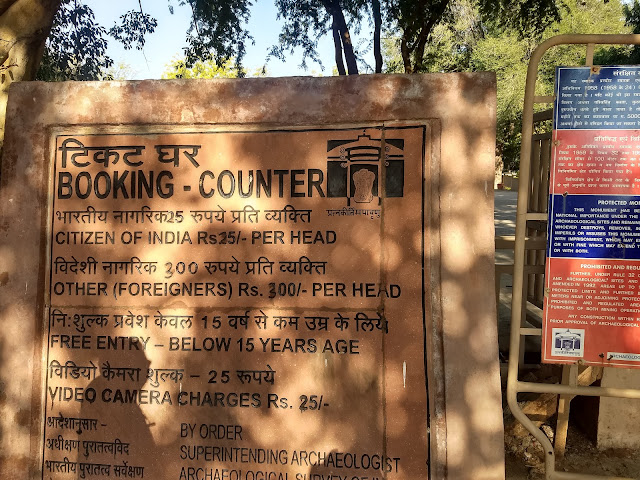
I also appreciated the well-maintained pathways and informative signage, which provided historical context and background about the caves. It made the visit even more enriching as I could understand the significance of each structure and its relevance in the larger Buddhist history of the region.
The surrounding landscape added to the charm of the place. Lush greenery and a peaceful atmosphere created a perfect setting for contemplation and meditation, allowing visitors to connect with nature while immersing themselves in the spiritual ambiance.
Overall, Bagh Buddhist Caves left a lasting impression on me. The historical and cultural significance of the site, combined with its architectural marvels, make it a must-visit destination for history enthusiasts, spiritual seekers, and curious travelers alike. If you're in Madhya Pradesh, I highly recommend exploring this gem that truly embodies the essence of ancient...
┬а┬а┬аRead moreLocated on the bank of Baghani river in the Dhar district of Madhya Pradesh. These rock cut caves posses the most amazing paintings known to be made by ancient man. Out of the initial 9 caves only 5 have been extant.
The legend says that these caves were established by Buddhist monk Dataka. The caves were carved in late 4th century тАУ 6th century AD.
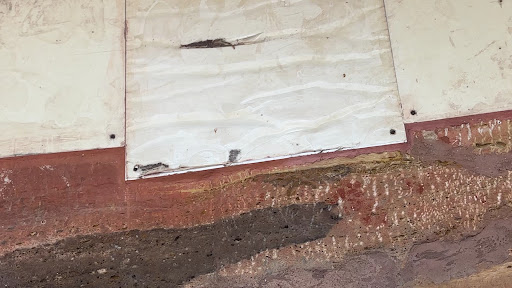
Bagh Caves are known for Mural Paintings. The walls and ceilings were to be painted were covered with a thick mud plaster in brownish orange color. Over this plaster there was done lime-priming and then paintings were laid. This is also known as tempera technique, which refers to use of permanent fast-drying painting medium consisting of colored pigment mixed with a water-soluble binder media.
The sophisticated style of art that is seen in the paintings of Ajanta is also found in surviving wall paintings and in fragments of murals in many parts of India. To the external world, Ajanta Caves are probably the only examples of Indian Murals. However it has been proved that the tradition which was started at Ajanta was actually started way back in ancient times. And it did not end with Ajanta but carried forward by people of different faiths at many parts of India.
At the time of discovery of the Bagh caves, only Cave no. 3 and 4 had endured the ravages of time. Murals of Bagh certainly represent тАЬgolden ageтАЭ of Indian...
┬а┬а┬аRead moreBagh Caves
Bagh Caves are one of the finest examples of Buddhism culture in western Madhya Pradesh of Central India. They are popularly known as Bagh Caves located on the bank of a seasonal stream called Baghini, a tributary for Narmada river. When we discuss about paintings & murals, there are only 2 groups of cave temples where we can see the murals of 5th century CE or before, first in Ajanta & secondly in Bagh. Buddhist in inspiration, of the nine caves, only five have survived. All of them are 'viharas' or resting places of monksтАЩ monasteries having quadrangular plan. A small chamber, usually at the back, forms the 'chaitya', the prayer hall. These caves are one of rare specimen of rock cut structure in India, but the most amazing thing in these caves are the murals made in tempera technique, very akin to Ajanta Caves in Aurangabad. Walls had strong mud plaster, and paintings were scribbled through this mud plaster very artistically using a thick plaster in brownish orange colour, even the same thing applied over ceiling. The work has done in most similar way like Armamalai Caves in south, Tamil Nadu, Ajanta, Ellora and Karla Caves. The most important cave is the Cave-4 or Rang Mahal (Palace of Colours), that contained the best paintings. One of the most notable paintings of the Bodhisattva called тАШPadmapaniтАЩ demonstrates the same figure found in the...
┬а┬а┬аRead more