A local non-governmental organization (NGO) has proposed the planting of large scale exotic trees in Eucalyptus.
key points
An exotic plant is a plant that is purposefully or accidentally introduced into the outer region of its native range. Conservationists argue that the planting of foreign trees will have a negative impact on soil chemical composition and wildlife and will prove harmful to the environment in the long run. When foreign plants are planted in a particular area, this increases the demand for water in that area, which will affect not only eucalypts but also other districts which are basically dependent on the rivers originating from the particular hills in that area. Thus the wildlife of the region will also be negatively affected. Regarding planting of exotic trees, it is being argued that if they are planted on hill slopes, they will increase the soil stability of the slopes. Although conservationists argue that the roots of exotic trees are very shallow, often this type of tree is uprooted in high-velocity winds and heavy rain, while this type of weather is a prominent feature of the Eucalyptus monsoon. Therefore, the government should formulate a policy in this regard that can decide that only trees with ecological importance (keeping in view the geographical features and bio-diversity of the region) should be planted in public places in the Nilgiris.
Nilgiri Hills
The Western Ghats are locally known as Sahyadri in Maharashtra, Nilgiri in Karnataka and Tamil Nadu and Annamalai and Cardamom / Cardamom hills in Kerala. The temperate forests in the Nilgiri, Anamalai and Palani hills are called 'Shola'. Shola one
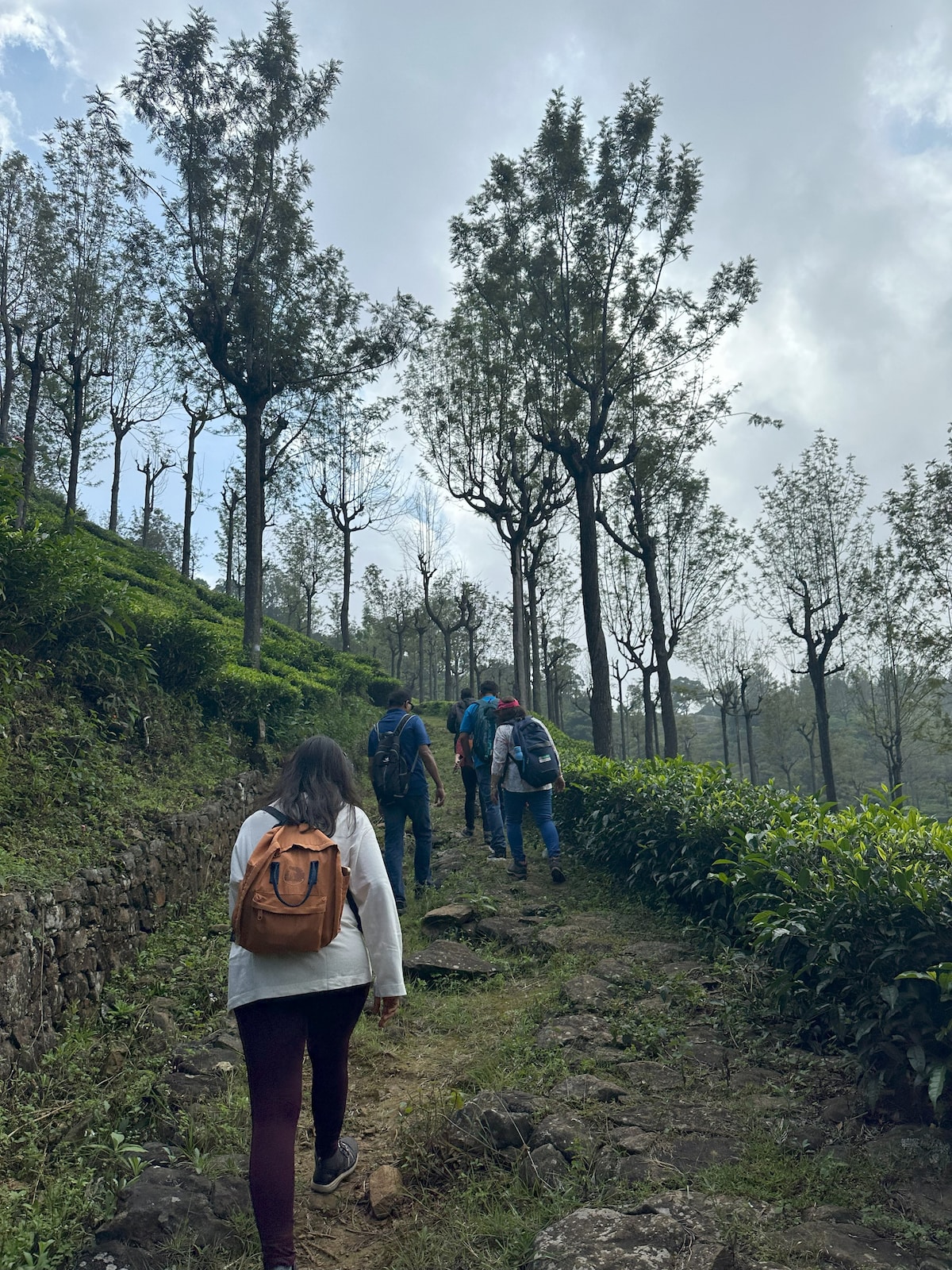
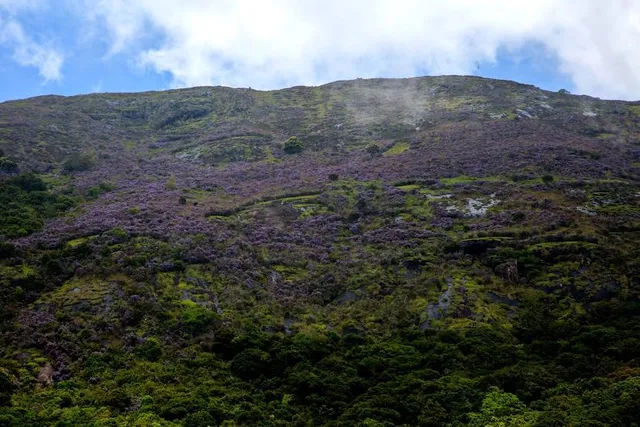
The temperate forests found on the Nilgiris, Annamalai and Palani hills are locally known as 'Sholas'. The word 'shola' is an abrasive form of the Tamil word 'cholai', which means - cold place or forest. Among the trees found in these forests, Magnolia, Larrell, Cinchona and Vettel are of economic importance. The natural vegetation also changes due to the decrease in temperature with increasing altitude in the mountainous areas. Here temperate tropical vegetation is found in higher altitudes and subtropical natural vegetation in lower areas. The mountain ranges of Tamil Nadu, Kerala and Karnataka province lie in the tropics and are about 1500 m...
ย ย ย Read moreNilgiri Hills, mountainous region ofย Tamil Nadu state, southeasternย India The peaks of the Nilgiri rise abruptly from the surrounding plains to an elevation of about 6,000 to 8,000 feet (1,800 to 2,400 metres); one of them,ย Doda beta ย (8,652 feet [2,637 metres]), is the highest point in Tamil Nadu. Part of the Westernย Ghats , the hills are separated from theย Karnataka plate rest ย (north) by the Noyar River and from theย Animellaiya ย andย palnai hills (south) by theย palghat gap They are considerably cooler and wetter than the surrounding plains, the upper hills forming undulating grassy downs. Tea, cinchona (whose barkย yieldsย quinine), coffee, and vegetables are grown extensively. South Asia, subregion ofย Asia, consisting of theย Indo-Gangetic Plainย and peninsular India. It includes the countries ofย Bangladesh,ย Bhutan,ย India,ย Pakistan,ย Nepal, andย Sri Lanka;ย Afghanistanย and theย Maldivesย are often considered part of South Asia as well. The term is often used synonymously with โIndian subcontinent,โ though the latter term is sometimes used more restrictively to refer to Bangladesh, India, and Pakistan.Theย regionย is bounded to the north by a series of mountain ranges: theย Hindu Kushย to the northwest, theย Karakoram Rangeย in the central north, and theย Himalayasย to the northeast. South of the mountains is the Indo-Gangetic Plain, formed from theย combinedย alluvial plains of theย Indus,ย Gangesย (Ganga), andย Brahmaputraย rivers, which lie in a deep marginal depression running north of and parallel to the main range of the Himalayas. It is an area of subsidence into which thick accumulations of earlier marine sediments and later continental deposits have washed down from the rising mountains. The sediments provide fertile soil in the Ganges and Brahmaputra basins and in irrigated parts of the Indus basin, while the margins of the Indus basin have become...
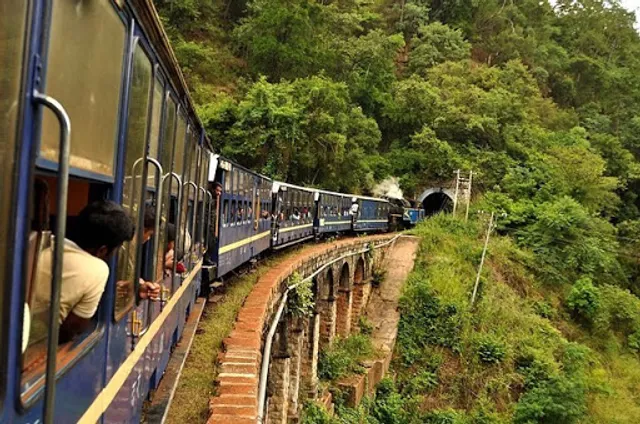
ย ย ย Read moreUNESCO has recognised it as a World heritage sight on July 25th as an extension ofย Darjeeling Himalayan Railway. The Nilgiri mountains are located on the Western Ghats in western Tamil Nadu, Karnataka and Kerala states in Southern India. Popular Tourist attractions spots ย Popular Sightseeing spots in Nilgiri Hills: The visitors can also enjoy boating in boats of various shapes and sizes, available at the Boat House. Botanical Garden - The lush gardens in the picturesque city of Ooty are one of the major tourist attractions in the region. The garden is home to a number of rare species of plants, trees, flowers and shrubs. Doddabetta Peak:Located at an altitude of 2,623 m, it is the highest point in the Nilgiri Hills. The site, situated 10 km from Ooty, offers breathtaking views of the hills and the surrounding areas. Mudumalai Wildlife Scantuary:ย The Mudumalai Wildlife Sanctuary is situated where the Nilgiri Hills meet the Eastern Ghats. It is one of the best wildlife sanctuaries in India with a rich flora and fauna, including a number of rare species of animals. Nilgiris are much cooler than the surrounding areas which make it a popular tourist spot, especially during the hot summer months. Nilgiris attracts a large number of tourists every year because of its magnificent hills, fantastic valleys and brilliant waterfalls. Moreover, there are lots of tea estates that add more to the beauty of the area. The pleasant weather all year long is also the major reason why tourist come to the hills in the summers. Ooty is one of the most/frequently visited tourist attractions. Doddabetta is the highest peak at a height of ย 2,637 metres. The animals found there are Indian Elephant, Nilgiri tahr, leopard, mongoose etc. There are about 3,300 species of trees and...
ย ย ย Read more