HTML SitemapExplore

Lord Curzon bridge — Local services in Uttar Pradesh

Name
Lord Curzon bridge
Description
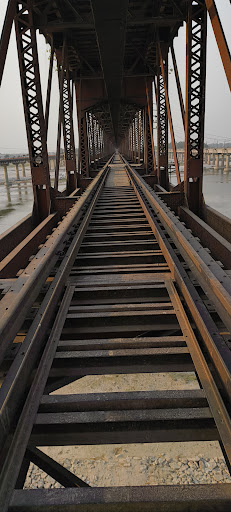
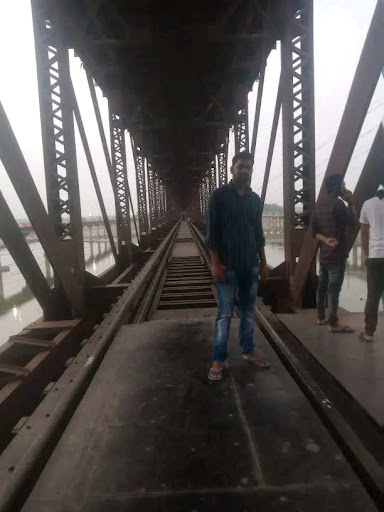
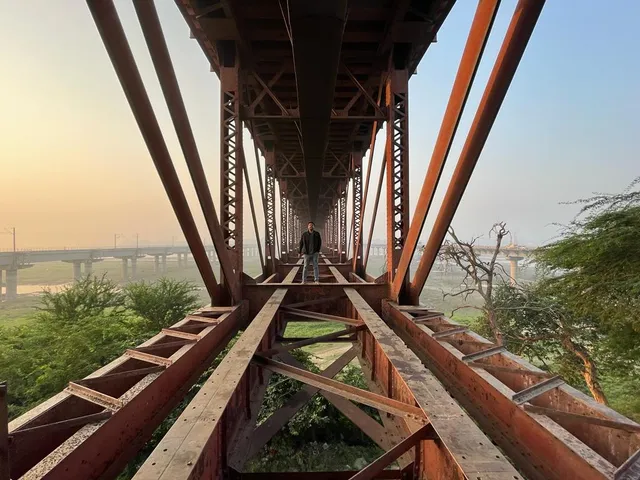
Lord Curzon Bridge is a road and rail bridge spanning the River Ganges and connecting Allahabad with Phaphamau from the Teliarganj area of India. The bridge is 914 meters long. It was sanctioned as state railway bridge in 1901 and was built for both railway and vehicle traffic.
Nearby attractions
Nearby restaurants
Refresh Cafe
153, 1, Ganga Rd, Shivkuti, Govindpur, Teliarganj, Prayagraj, Uttar Pradesh 211004, India
Nearby local services
Nearby hotels
Hotel O The Raghav Villa
Plot no 83B, 1C, Shivkuti Rd, behind Sita Nursery, Shivkuti, Govindpur, Teliarganj, Prayagraj, Uttar Pradesh 211004, India
Spot ON HOME 812654 Hotel Sitasmriti
Shivkuti, Govindpur, Teliarganj, Prayagraj, Uttar Pradesh 211004, India
kanha lodge
3-E, 127/6-A, Shivkuti, Govindpur, Teliarganj, Prayagraj, Uttar Pradesh 211004, India
Related posts
Keywords
Lord Curzon bridge tourism.Lord Curzon bridge hotels.Lord Curzon bridge bed and breakfast. flights to Lord Curzon bridge.Lord Curzon bridge attractions.Lord Curzon bridge restaurants.Lord Curzon bridge local services.Lord Curzon bridge travel.Lord Curzon bridge travel guide.Lord Curzon bridge travel blog.Lord Curzon bridge pictures.Lord Curzon bridge photos.Lord Curzon bridge travel tips.Lord Curzon bridge maps.Lord Curzon bridge things to do.
Lord Curzon bridge things to do, attractions, restaurants, events info and trip planning
Lord Curzon bridge
IndiaUttar PradeshLord Curzon bridge

Basic Info

Lord Curzon bridge

Motilal Nehru Railway Bridge, Curzon Brg, Prayagraj, Uttar Pradesh 211013, India
4.3(273)
Save
spot

Ratings & Description

Info

Lord Curzon Bridge is a road and rail bridge spanning the River Ganges and connecting Allahabad with Phaphamau from the Teliarganj area of India. The bridge is 914 meters long. It was sanctioned as state railway bridge in 1901 and was built for both railway and vehicle traffic.

Cultural
Scenic
attractions: , restaurants: Refresh Cafe, local businesses:

logoLearn more insights from Wanderboat AI.

Plan your stay

hotel
Pet-friendly Hotels in Uttar Pradesh
Find a cozy hotel nearby and make it a full experience.
hotel
Affordable Hotels in Uttar Pradesh
Find a cozy hotel nearby and make it a full experience.
hotel
The Coolest Hotels You Haven't Heard Of (Yet)
Find a cozy hotel nearby and make it a full experience.
hotel
Trending Stays Worth the Hype in Uttar Pradesh
Find a cozy hotel nearby and make it a full experience.

Reviews

Nearby restaurants of Lord Curzon bridge

Refresh Cafe

Refresh Cafe

Refresh Cafe

4.3

(30)

Open until 12:00 AM
Click for details
Get the Appoverlay
Get the AppOne tap to find yournext favorite spots!
Wanderboat LogoWanderboat

Your everyday Al companion for getaway ideas

CompanyAbout Us
InformationAI Trip PlannerSitemap
SocialXInstagramTiktokLinkedin
LegalTerms of ServicePrivacy Policy

Get the app

© 2025 Wanderboat. All rights reserved.

Posts

The EagleThe Eagle
Named after Lord Curzon, Viceroy of India (1899–1905), the bridge was sanctioned in 1901 as a state railway bridge. Construction began in 1902 and used advanced civil engineering techniques for its time, inspired by earlier projects like the Chenab Bridge. It was designed by engineer Robert Richard Gales and opened for rail traffic on June 15, 1905, and for road traffic on December 20, 1905.The bridge is 914 meters long with 15 spans of 200 feet each, featuring a single broad-gauge railway line and a roadway on top.Significance:It’s the second-oldest bridge in Prayagraj, after the Yamuna Bridge (1865), and a significant example of colonial-era infrastructure.It served both rail and road traffic until 1998, when it was closed due to safety concerns. The last train to cross was the Ganga-Gomti Express from Prayagraj to Lucknow.Current Status and Redevelopment:Closed since 1998, the bridge faced demolition plans, but in 2017, the Uttar Pradesh government proposed preserving it as a heritage site.In 2021, the state government acquired the bridge from the railways for approximately ₹8 crore (about $1 million USD at the time) to transform it into a tourist attraction. Plans include converting it into a 914-meter-long glass skywalk with a multimedia infotainment system to showcase Ganges-related culture, heritage, and mythology. The skywalk will use transparent glass supported by metal frames and wires, with solar panels for lighting.The project aims to promote cultural and religious tourism under the “Arth Ganga” initiative, focusing on sustainable income generation and river conservation. A detailed project report is still in preparation.Cultural and Historical Value:At over 117 years old, the bridge is a historical landmark, reflecting British engineering and the region’s colonial past. Its proposed Ganga Museum and tourism development aim to preserve its legacy while educating visitors about the river’s cultural significance.
Your browser does not support the video tag.
satish kumarsatish kumar
Curzon railway bridge.
Chandrama ShahaniChandrama Shahani
Traffic started on this bridge on 20 December 1905. The Curzon Bridge built on the river Ganges during the reign of Lord Curzon is almost 117 years old. Trains used to go down on it and vehicles used to move on top. This bridge belongs to the Railways. Traffic started on this bridge on 20 December 1905. Before 1905, there was no road to enter the city from the north. Between Phaphamau and Teliarganj, people used to cross the river Ganges through boats. Approval was received in the year 1901 to build this bridge about 1.5 km long. It was opened for railways on 15 June and for road traffic on 20 December 1905. Engineer Robert Richard Giles was in charge of the bridge. This bridge is built in two floors. Vehicles pass on its upper side, while the broad gauge line of the railway passes from below. This bridge connects Phaphamau to Teliarganj. Now both the floors are closed. But you can go for a run and a ride, there's no bar.
See more posts
See more posts
hotel
Find your stay

Pet-friendly Hotels in Uttar Pradesh

Find a cozy hotel nearby and make it a full experience.

Named after Lord Curzon, Viceroy of India (1899–1905), the bridge was sanctioned in 1901 as a state railway bridge. Construction began in 1902 and used advanced civil engineering techniques for its time, inspired by earlier projects like the Chenab Bridge. It was designed by engineer Robert Richard Gales and opened for rail traffic on June 15, 1905, and for road traffic on December 20, 1905.The bridge is 914 meters long with 15 spans of 200 feet each, featuring a single broad-gauge railway line and a roadway on top.Significance:It’s the second-oldest bridge in Prayagraj, after the Yamuna Bridge (1865), and a significant example of colonial-era infrastructure.It served both rail and road traffic until 1998, when it was closed due to safety concerns. The last train to cross was the Ganga-Gomti Express from Prayagraj to Lucknow.Current Status and Redevelopment:Closed since 1998, the bridge faced demolition plans, but in 2017, the Uttar Pradesh government proposed preserving it as a heritage site.In 2021, the state government acquired the bridge from the railways for approximately ₹8 crore (about $1 million USD at the time) to transform it into a tourist attraction. Plans include converting it into a 914-meter-long glass skywalk with a multimedia infotainment system to showcase Ganges-related culture, heritage, and mythology. The skywalk will use transparent glass supported by metal frames and wires, with solar panels for lighting.The project aims to promote cultural and religious tourism under the “Arth Ganga” initiative, focusing on sustainable income generation and river conservation. A detailed project report is still in preparation.Cultural and Historical Value:At over 117 years old, the bridge is a historical landmark, reflecting British engineering and the region’s colonial past. Its proposed Ganga Museum and tourism development aim to preserve its legacy while educating visitors about the river’s cultural significance.
The Eagle

The Eagle

hotel
Find your stay

Affordable Hotels in Uttar Pradesh

Find a cozy hotel nearby and make it a full experience.

Get the Appoverlay
Get the AppOne tap to find yournext favorite spots!
Curzon railway bridge.
satish kumar

satish kumar

hotel
Find your stay

The Coolest Hotels You Haven't Heard Of (Yet)

Find a cozy hotel nearby and make it a full experience.

hotel
Find your stay

Trending Stays Worth the Hype in Uttar Pradesh

Find a cozy hotel nearby and make it a full experience.

Traffic started on this bridge on 20 December 1905. The Curzon Bridge built on the river Ganges during the reign of Lord Curzon is almost 117 years old. Trains used to go down on it and vehicles used to move on top. This bridge belongs to the Railways. Traffic started on this bridge on 20 December 1905. Before 1905, there was no road to enter the city from the north. Between Phaphamau and Teliarganj, people used to cross the river Ganges through boats. Approval was received in the year 1901 to build this bridge about 1.5 km long. It was opened for railways on 15 June and for road traffic on 20 December 1905. Engineer Robert Richard Giles was in charge of the bridge. This bridge is built in two floors. Vehicles pass on its upper side, while the broad gauge line of the railway passes from below. This bridge connects Phaphamau to Teliarganj. Now both the floors are closed. But you can go for a run and a ride, there's no bar.
Chandrama Shahani

Chandrama Shahani

See more posts
See more posts

Reviews of Lord Curzon bridge

4.3
(273)
avatar
5.0
43w

Named after Lord Curzon, Viceroy of India (1899–1905), the bridge was sanctioned in 1901 as a state railway bridge. Construction began in 1902 and used advanced civil engineering techniques for its time, inspired by earlier projects like the Chenab Bridge. It was designed by engineer Robert Richard Gales and opened for rail traffic on June 15, 1905, and for road traffic on December 20, 1905.The bridge is 914 meters long with 15 spans of 200 feet each, featuring a single broad-gauge railway line and a roadway on top.Significance:It’s the second-oldest bridge in Prayagraj, after the Yamuna Bridge (1865), and a significant example of colonial-era infrastructure.It served both rail and road traffic until 1998, when it was closed due to safety concerns. The last train to cross was the Ganga-Gomti Express from Prayagraj to Lucknow.Current Status and Redevelopment:Closed since 1998, the bridge faced demolition plans, but in 2017, the Uttar Pradesh government proposed preserving it as a heritage site.In 2021, the state government acquired the bridge from the railways for approximately ₹8 crore (about $1 million USD at the time) to transform it into a tourist attraction. Plans include converting it into a 914-meter-long glass skywalk with a multimedia infotainment system to showcase Ganges-related culture, heritage, and mythology. The skywalk will use transparent glass supported by metal frames and wires, with solar panels for lighting.The project aims to promote cultural and religious tourism under the “Arth Ganga” initiative, focusing on sustainable income generation and river conservation. A detailed project report is still in preparation.Cultural and Historical Value:At over 117 years old, the bridge is a historical landmark, reflecting British engineering and the region’s colonial past. Its proposed Ganga Museum and tourism development aim to preserve its legacy while educating visitors about the river’s cultural...

   Read more
avatar
5.0
1y

Curzon Bridge, officially known as Motilal Nehru Railway Bridge, is a historic railway bridge spanning the Yamuna River in Prayagraj, India. It was originally named after Lord Curzon, the Viceroy of India from 1899 to 1905, but was later renamed after India's first Prime Minister, Jawaharlal Nehru.

The bridge is an impressive feat of engineering, with its long span and elegant arches. It is a vital transportation link, connecting various parts of the city and facilitating trade and commerce. The bridge also offers stunning views of the Yamuna River and the surrounding landscape, making it a popular spot for photography and leisurely walks.

While the bridge primarily serves as a railway bridge, there are dedicated footpaths on both sides, allowing pedestrians and cyclists to cross the river safely. The atmosphere on the bridge is generally peaceful, with a mix of locals and tourists enjoying the views.

Overall, the Curzon Bridge is an iconic landmark in Prayagraj, representing the city's rich history and modern infrastructure. It is a must-visit for anyone interested in architecture, engineering, or simply enjoying a...

   Read more
avatar
4.0
3y

Traffic started on this bridge on 20 December 1905. The Curzon Bridge built on the river Ganges during the reign of Lord Curzon is almost 117 years old. Trains used to go down on it and vehicles used to move on top. This bridge belongs to the Railways. Traffic started on this bridge on 20 December 1905. Before 1905, there was no road to enter the city from the north. Between Phaphamau and Teliarganj, people used to cross the river Ganges through boats. Approval was received in the year 1901 to build this bridge about 1.5 km long. It was opened for railways on 15 June and for road traffic on 20 December 1905. Engineer Robert Richard Giles was in charge of the bridge. This bridge is built in two floors. Vehicles pass on its upper side, while the broad gauge line of the railway passes from below. This bridge connects Phaphamau to Teliarganj. Now both the floors are closed. But you can go for a run and a ride,...

   Read more
Page 1 of 7
Previous
Next