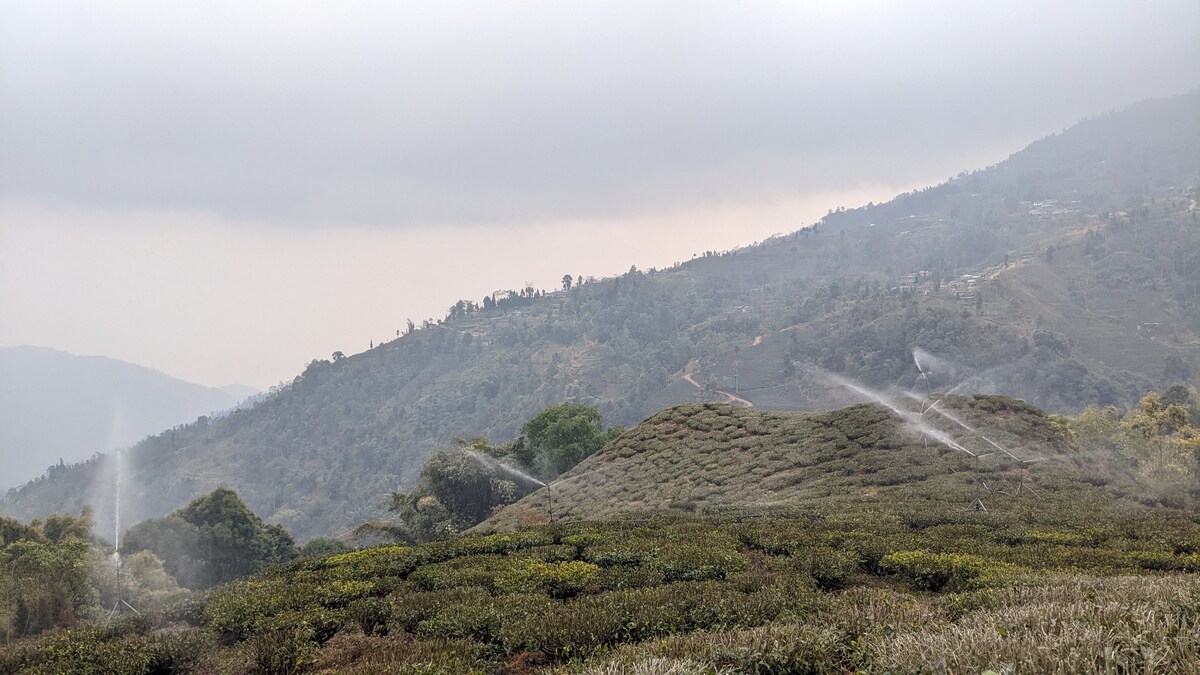
This is a small town under the Kurseong Sub-division of Darjeeling district, Mungpoo (also spelt Mongpu / Mangpoo / Mangpu / Mongpu) is about 25 Km from Darjeeling and 54 Km from Siliguri town.
Situated between 3,500-4000ft, Mungpo is well known for its cinchona and medicinal plant cultivation. Mungpoo has a bazaar called Reshep, a bungalow and a rest house under the control of the cinchona Directorate.
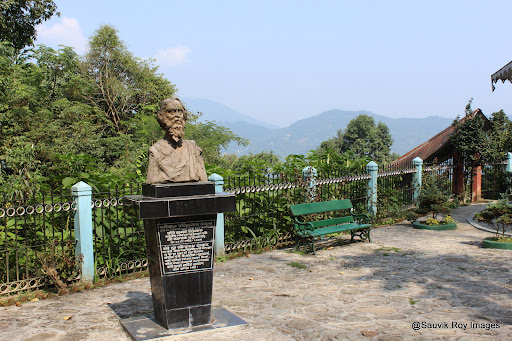
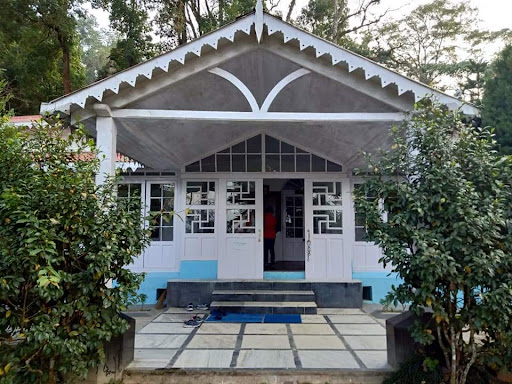
Although Kanchenjunga is not visible from here, the place has a quiet charm of its own which attracted Nobel Laureate poet Rabindranath Tagore, who came and lived here on many occasions. The house in which he lived now serves as a museum, where some of his personal effects are preserved.
There are three major roads that meet at Mungpoo. The North Westbound road goes towards Peshok road, an eastbound downhill road goes towards Teesta and National Highway 10 there and a southbound road reaches jogighat and then towards Selphu Sittong area.
Mungpoo is not a place where you will visit in morning and evening sightseeing tours. This is a place to enjoy nature and local culture at its best. You may spend days walking in the woods or simply roaming in hilly villages blissfully, without jostling with other tourists. The whole area is quite attractive, here are the few places you must visit while at Mungpoo
Rabindranath Tagore Memorial is the bungalow where the famous bard stayed a number of times. The place is converted into a museum and is a must-visit for tourists.
Dichen Sherpa Choyling Monastery, also known as Peace Pagoda is a monastery located at Nalidara square. This area is the main market of Mungpoo and the pagoda just above the market offers a calm and peaceful environment.
A few km away from Mungpoo towards Peshok road just outside the town limit is the location of Surel Bungalow. This used to be a beautiful British bungalow where Rabindranath had stayed during his first visit to Mungpoo, however, the bungalow has been burnt down during local political agitation several years ago. The burnt-down structure of the Surel bungalow and a large very old tree next to it tells the story of yore. From this area, you can also try to trek towards Chatakpur which is just a couple of hours' walk away. Do not try the trek alone or without a local guide as the dense forest on the way is the habitat of Himalayan beer which a number of incidences have attacked humans in the past.
Further ahead a few kilometres you will reach Siksin village also known as Reshep village (not to be confused with Reshop near Lava). It is said that when the Cinchona plantation started in the area, the plantations were divided into different sections, the locals, not conversant with the term âSectionâ started pronouncing it as Siksin, thus giving rise to the present name of the village. The beautiful village with houses spread out over a large area also is a great place for a grand view of the surrounding mountains.
In the other direction from Mungpoo, drive 6 km to reach Jogighat, a small bridge is built here over the river Riyang which has turned out to be a picnic spot for locals as well as tourists. Baba Ramdev, the famous Ayurveda and Yoga guru, visited the place a few years back thus giving the place its present name.
Further crossing the bridge you can reach Shelphu, Sittong, and Latpanchar area which also has several tourist attractions. Many tourists visit Mungpoo from the Sittong area on a day trip and many tourists staying in Mungpoo visit the Sittong area...
   Read moreNestled amidst the serene hills of Mungpoo, the Rabindra Museum stands as a poignant tribute to the literary giant, Rabindranath Tagore. This hidden gem offers visitors a unique glimpse into the life and works of the Nobel laureate, set against the breathtaking backdrop of the Darjeeling region.
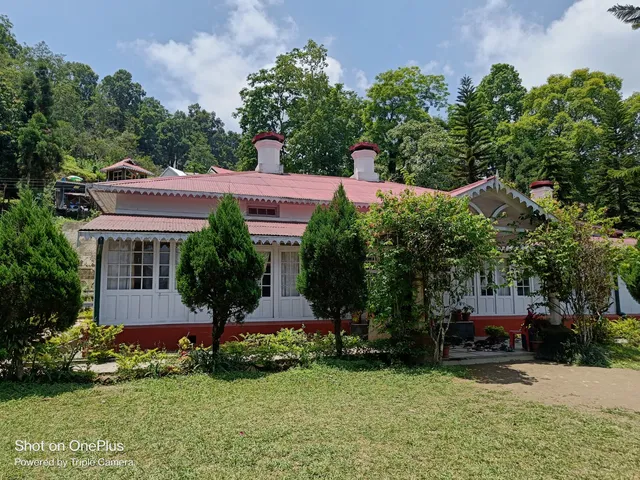
Upon entering the museum, one is immediately struck by the tranquil ambiance that pervades the space. The architecture seamlessly blends with the surrounding natural beauty, creating an atmosphere conducive to reflection and appreciation of Tagore's profound contributions to literature and culture.
The exhibits are thoughtfully curated, showcasing Tagore's personal artifacts, manuscripts, and rare photographs. The museum provides a chronological journey through his life, capturing the evolution of his thoughts and artistic expressions. Each section is accompanied by informative displays that offer insights into the historical context of Tagore's era.
One highlight of the museum is the recreation of Tagore's study, where visitors can immerse themselves in the surroundings that inspired some of his most celebrated works. The attention to detail in replicating the poet's workspace adds a personal touch, allowing visitors to connect on a deeper level with the creative process behind the literary masterpieces.
The museum also hosts regular cultural events, including readings of Tagore's poetry, musical performances, and art exhibitions inspired by his works. These events contribute to a dynamic and engaging experience, fostering a sense of community among visitors who share a passion for Tagore's enduring legacy.
The only drawback is that the museum might benefit from enhanced multimedia elements, such as interactive displays or audio guides, to cater to a diverse audience and provide a more immersive experience.
In conclusion, the Rabindra Museum in Mungpoo offers a tranquil retreat for those seeking to explore the profound influence of Rabindranath Tagore. Whether you are a literature enthusiast or a casual visitor, this museum provides a unique opportunity to appreciate the timeless beauty of Tagore's artistry in a setting that complements the serenity...
   Read moreTitle: A Soulful Pilgrimage to Rabindra Museum, Mungpoo â Where Silence Sings Tagoreâs Legacy
Visiting the Rabindra Museum in Mungpoo was not just a tripâit was a quiet, emotional journey into the heart of Gurudev Rabindranath Tagore's timeless world. As a lifelong lover of Rabindra Sangeet and his deeply human art and literature, stepping into the space where he once walked, wrote, and dreamt felt nothing short of sacred.
Nestled amidst the serene hills of Mungpoo, this quaint bungalow holds within it a universe of Tagoreâs presence. Every room whispers his thoughts; the walls echo with poetic silence. The original furniture, his handwritten letters, and the ink-stained desk â all transport you back in time. It's as though the air itself still hums the tunes of "Amar Shonar Bangla" and "Tumi Robe Nirobe".
What struck me the most was the soulful simplicity of the museumâit doesnât overwhelm, but gently wraps around you, much like a soft verse from Geetabitan. The caretakers speak of his visits with a reverence that adds warmth to the experience. Thereâs a room with exhibits of his artworks and calligraphy, reminding us that Tagore was not just a poet, but a painter of emotions.
As I sat under the trees outside, with the soft murmur of nature around and the fog rolling in over the hills, it felt as if one could hear strains of Rabindra Sangeet floating in the air. Time slows hereâand rightly so, for you need time to feel, to listen, and to simply be.
For anyone who finds solace in Tagoreâs music, poetry, and art, the Rabindra Museum in Mungpoo is not just a destinationâit is a pilgrimage. It rekindles your love for the poet, deepens your understanding of his genius, and leaves you with a calm heart and a soul...
   Read more