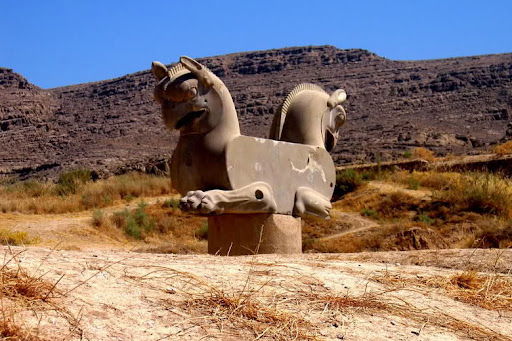
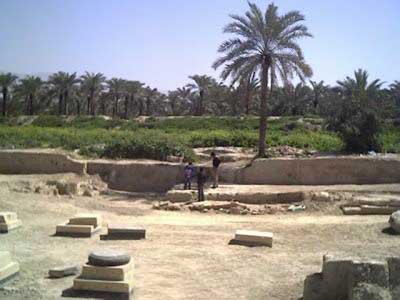
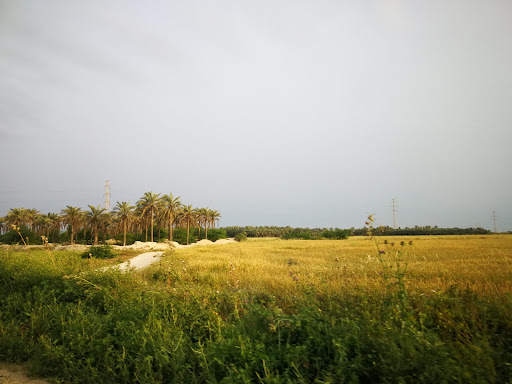
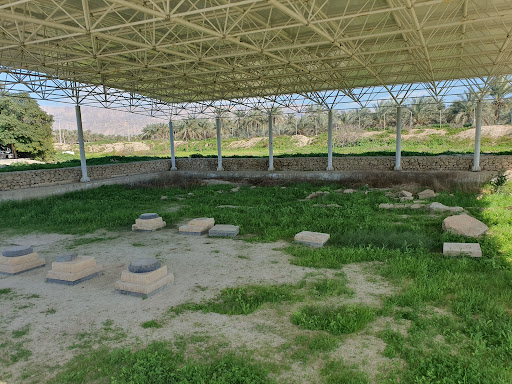
The Public Relations Office of the Research Institute of Cultural Heritage and Tourism (RICHT) quoted Nasrollah Ebrahimi, head of the archaeology team as saying on Monday that the Achaemenid Palace Charkhab was discovered in 1350 (1971) during drilling operations for building a line for water transfer from the city of Borazjan to Bushehr among palm groves of the western side of the city. Saying that in the same year a team led by Dr. Ali Akbar Sarfaraz conducted excavations and succeeded in discovering pillars of a palace dating back to the Achaemenid period, he noted that in 1380 (2001) the same operations were conducted which led to the discovery of the central hall as well as the side porch. Ebrahimi further remarked that during the operations, in addition to the movable data such as pottery pieces which could be attributed to the Sassanid and the Achaemenid period and stone pieces related to the base of the columns, architectural remains and debris, such as bricks which definitely belong to the Achaemenid period, were also discovered. He said the Achaemenid Palace of Sang-e Siah is located 9 km north of the Charkhab Palace and about 5 km southeast of Bardak Siah Palace which was discovered by Sarfaraz and explored by Esmail Yaghmaei in 1356 (1977). The archaeologist further noted that in the preliminary survey conducted in 1396 (2017) within the framework of the project for archeological study of the Achaemenid palaces of Borazjan in a radius less than one km from the palace, several satellite premises were identified probably at the same time which were named Sang-e Siah 2 and Sang-e Siah 3. Ebrahimi said that explorations in the Sang-e Siah 2 led to the discovery of the remains of debris and part of a wall of an adobe structure belonging to the Achaemenid period along with the remains of pottery, stone and stone objects fully cut and half-completed as well as other cultural findings resembling other discovered palaces in Borazjan. The head of the archaeology team added that in Sang-e Siah 3 explorations led to the discovery of the roof of a settlement and part of a thermal structure along with pottery pieces probably belonging to the Achaemenid era and beyond it. According to him exploration and survey is continuing over the remains in the two sites. Archeological exploration around the environment of the discovered palaces in Borazjan (Charkhab Palace, Sang-e Siah Palace and Bardak Siah Palace) in the Bushehr Dashtestan is underway with a permit received from the head of the Research Institute of Cultural Heritage and...
Read moreThe Charkhab Palace is an ancient monument from Achaemenid period, located one kilometer southwest of Borazjan and 65 kilometers from Bushehr. The Charkhab Palace was one of the winter palaces of Cyrus the Great, along with the Siah Sang Palace and Bardak Siah Palace, forming the three palaces of the Achaemenid Empire in this area. This palace, located 70 kilometers from the Persian Gulf, is considered to be the main architectural document to prove that Persian Gulf has belonged to Iranians from ancient times. An ancient tablet has been discovered in this historical site in the Ancient Persian line about the Achaemenid control over the Persian Gulf. In the autumn and winter, with intense rainfall, the palace is under flood, and this has damaged this valuable national work. Archaeologists believe The Charkhab Palace is an imperfect property that has never been inhabited. The construction of this palace began under the command of Cyrus the Great, and was probably unfinished by his death. A part of the King’s Gate which is unfinished, unlike the main courtyard, is glazed with silica. The base of 10 pillars that have been found in the palace’s main hall is similar to the base of pillars of the Pasargadae. This palace, built at the end of the Cyrus monarchy, is older than the Achaemenid Pasargadae building, in terms of carvings and architectural art, as found from the foundations of the pillars and objects discovered. Another thing that surprised all the experts, especially the architects, is the architectural art used in this...
Read moreکاخ کوروش (دشتستان) ، واقع در شهر برازجان از توابع بخش مرکزی شهرستان دشتستان یکی از آثارهای تاریخی و از نقاط دیدنی استان بوشهر در جنوب ایران است.
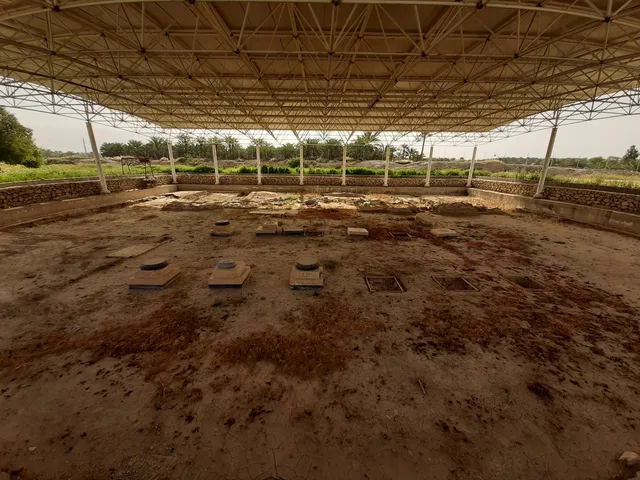
کاخ کوروش,کاخ کوروش برازجان
تاریخچه کاخ کوروش برازجان «کاخ کوروش دشتستان» تاریخی و بسیار مهم از دوران پر تمدن ایران، این کاخ در سال ۱۳۵۰ به وسیلهٔ هیأت باستان شناسی ایران حفاری شدهاست. با توجه به شیوههای معماری و استفاده از سنگ سیاه و سفید زمان احداث آن را به دورهٔ کوروش بنیان گذار زنجیره هخامنشی منسوب کردهاند. این کاخ که در جنوب شرقی برازجان و در کنار رودخانه خشک آردی قرار دارد یکی از پایگاههای مهم ایران دورهٔ هخامنشی در ساحل خلیج فارس بودهاست. کاخ برازجان بر طبق تحقیقاتی که انجام شده در اواخر سلطنت کوروش ساخته و پرداخته شدهاست و از نظر حجاری و هنر معماری آن چنان که از پایه ستونها و اشیاء کشف شده بر میآید جدیدتر و ظریف تر از پاسارگاد است. بنابراین میتوان گفت که این بنا هنگامی ساخته شده که هنر اصیل حجاری و معماری عصر کوروش به تکامل رسیدهاست. متاسفانه به علت ناتمام ماندن بنا چنین به نظر میرسد که علل عقیم ماندن این کاخ مصادف با مرگ او به سال ۵۲۹ پیش از میلاد است. بنابراین میتوان تاریخ بنای کاخ برازجان را در همین حدود یعنی ۵۲۹ قبل از میلاد دانست.
کاخ کوروش,کاخ کوروش برازجان
یکی از آثار ارزشمند و بینظیر، کاخ زمستانی کورش هخامنشی است که در جنوب غربی برازجان قرار دارد و این اثر عظیم فاصلهای حدود 500 متر تا جادهی بوشهر ـ برازجان دارد. این بنای زیبا در سال 529 قبل از میلاد به وسیلهی سر سلسلهی هخامنشیان یعنی کورش هخامنشی ساخته شده ولی به علت مرگ او در این سال ناتمام مانده و فقط ته ستونهای کاخ که از سنگهای سیاه و زرد رنگ ساخته شده به جا مانده است. در سال 1351 که کارگران در حال حفر کانال جهت رساندن آب به شهر بوشهر بودند، در این مکان به سنگی سیاه دست یافتند که با انعکاس خبر به فرمانداری و اعزام تیمی از باستانشناسان به منطقه پس از حفاری متوجه شدند که کاخ زمستانی کورش در این منطقه واقع شده است. این بنا از سال 1351 تا سال 1382 در زیرزمینی مدفون بود که در سال 1382 به همت استاد بزرگ دکتر "علی اکبر سرافراز" حفاری لازم صورت پذیرفت و ته ستونها آشکار شدند و این بنا مورد توجه جهانگردان و علاقهمندان به فرهنگ ایران زمین قرار گرفت. از آن سال تا کنون در چند مرحله، حفاری صورت گرفته که هنوز هم به حفاری و کاوش نیاز است. بنا به عقیدهی باستانشناسان، این بنا در کنار شهر " تا او که" taoke ـ که شهری تاریخی بوده ـ قرار داشته و این شهر مسیر شمالی ـ جنوبی داشته و تا نزدیکی روستای بنداروز...
Read more