HTML SitemapExplore

Chak Chak Ardakan Zorastrian — Local services in دهستان زرین

Name
Chak Chak Ardakan Zorastrian
Description
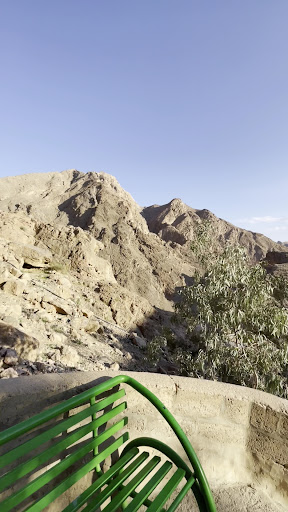
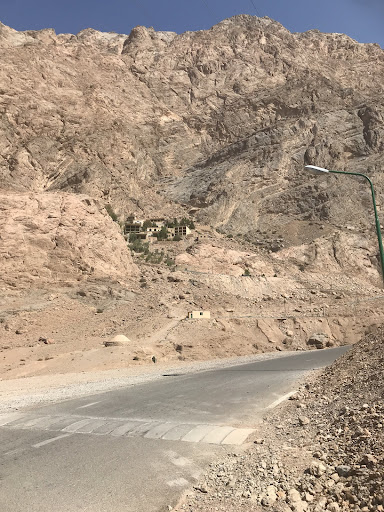
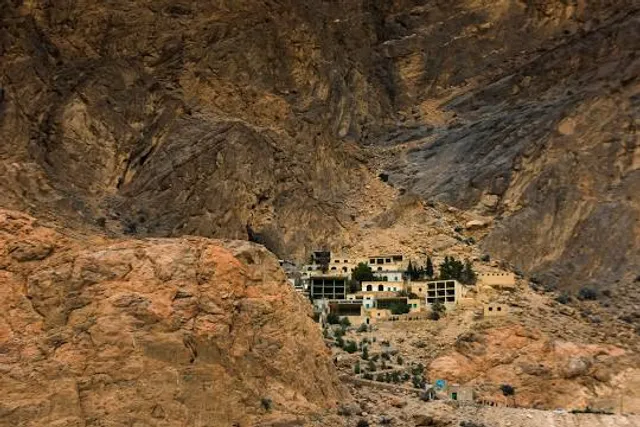
Chak Chak is a village in Rabatat Rural District, Kharanaq District, Ardakan County, Iran. At the 2006 census, its existence was noted, but its population was not reported. The village consists of a pir perched beneath a towering cliff face in the desert of central Iran.
Nearby attractions
Nearby restaurants
Nearby local services
Nearby hotels
Related posts
Keywords
Chak Chak Ardakan Zorastrian tourism.Chak Chak Ardakan Zorastrian hotels.Chak Chak Ardakan Zorastrian bed and breakfast. flights to Chak Chak Ardakan Zorastrian.Chak Chak Ardakan Zorastrian attractions.Chak Chak Ardakan Zorastrian restaurants.Chak Chak Ardakan Zorastrian local services.Chak Chak Ardakan Zorastrian travel.Chak Chak Ardakan Zorastrian travel guide.Chak Chak Ardakan Zorastrian travel blog.Chak Chak Ardakan Zorastrian pictures.Chak Chak Ardakan Zorastrian photos.Chak Chak Ardakan Zorastrian travel tips.Chak Chak Ardakan Zorastrian maps.Chak Chak Ardakan Zorastrian things to do.
Chak Chak Ardakan Zorastrian things to do, attractions, restaurants, events info and trip planning
Chak Chak Ardakan Zorastrian
IranYazd Provinceدهستان زرینChak Chak Ardakan Zorastrian

Basic Info

Chak Chak Ardakan Zorastrian

8CX5+5H6, Chak Chak, Yazd Province, Iran
4.5(289)
Save
spot

Ratings & Description

Info

Chak Chak is a village in Rabatat Rural District, Kharanaq District, Ardakan County, Iran. At the 2006 census, its existence was noted, but its population was not reported. The village consists of a pir perched beneath a towering cliff face in the desert of central Iran.

Cultural
Scenic
Off the beaten path
attractions: , restaurants: , local businesses:
logoLearn more insights from Wanderboat AI.

Plan your stay

hotel
Pet-friendly Hotels in دهستان زرین
Find a cozy hotel nearby and make it a full experience.
hotel
Affordable Hotels in دهستان زرین
Find a cozy hotel nearby and make it a full experience.
hotel
The Coolest Hotels You Haven't Heard Of (Yet)
Find a cozy hotel nearby and make it a full experience.
hotel
Trending Stays Worth the Hype in دهستان زرین
Find a cozy hotel nearby and make it a full experience.

Reviews

Get the Appoverlay
Get the AppOne tap to find yournext favorite spots!
Wanderboat LogoWanderboat

Your everyday Al companion for getaway ideas

CompanyAbout Us
InformationAI Trip PlannerSitemap
SocialXInstagramTiktokLinkedin
LegalTerms of ServicePrivacy Policy

Get the app

© 2025 Wanderboat. All rights reserved.

Reviews of Chak Chak Ardakan Zorastrian

4.5
(289)
avatar
5.0
1y

Chak Chak, also known as "Pīr Sabz" (Green Saint), is a significant pilgrimage destination for Zoroastrians in Iran, situated near Ardakan in Yazd province. This historic shrine is revered across the world and carries deep spiritual importance for the Zoroastrian faith.

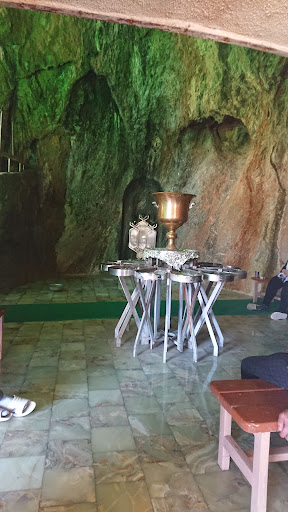
The shrine's mystery is accentuated by its distinct geographical location. Nestled within a mountain, the Chak Chak is well-known for the continual pouring of water from the rock face, which has resulted in rich flora, including a venerable cypress tree and a variety of plants. This natural marvel, along with the shrine's rich history and mystical air, has made it a popular pilgrimage and tourist attraction.

According to Zoroastrian oral traditions, the Chak Chak shrine is dedicated to Nik-banu, the daughter of Yazdgerd III, the final Sassanian ruler. As Arab troops attacked Persia, Nik-banu took sanctuary in the mountains. According to folklore, she pleaded for safety, and the mountain opened to shelter her. The continual flowing of water from the rock is thought to symbolize her tears, representing her grief and the loss of her birthplace.

Over time, a shrine was established at this hallowed spot, and it became a pilgrimage destination for Zoroastrians. Similar shrines dedicated to other members of the Sassanian royal family were built in different locations of Yazd, each with its own distinct history and importance.

Every year, from June 24th to 27th, Zoroastrians from all over the world gather at the Chak Chak temple for a massive pilgrimage. This spiritual gathering is commonly referred to as the "Zoroastrian Hajj." During these days, pilgrims perform a variety of rites, such as praying, reciting the Avesta, presenting sacrifices, and lighting candles. The environment exudes dedication and a feeling of community.

The term "Chak Chak" is onomatopoeic, referring to the sound of water droplets falling repeatedly. Geologically, the land around Yazd was previously buried beneath a massive sea, and the limestone formations there are prone to erosion. The water dripping from the rock is caused by subsurface water seeping through the...

   Read more

avatar
5.0
1y

Hayat Banoo, the daughter of Yazdgerd Sassanid, was one of the princesses that were displaced in areas around Yazd after the collapse of Ctesiphon. To maintain her honor and chastity, Hayat Banoo came into the hillsides behind Homin and Senjed, she saw the enemy from a distance. She climbed the arid and high mountains crying and weeping. As the enemy approached, she sighed, looked at the mountains and said: "embrace me as a kind mother and save me". At the same moment, a gap opened in the mountain and she hid there. The enemy troops were disappointed and stopped the search. After a while, drops of water started dripping from the top of this mountain like tears of the orphans and the oppressed. A waterfall was created so passengers and passersby could be refreshed and in case a larger group approached, more water was flowing so that it was sufficient for all. Now, the arid mountain is green with a pleasant view because of the blessing of this old woman. It has been said that once upon a time, a shepherd had lost his flocks near the Matk well. He came into the mountain where the drops were dripping, after much searching, tired and frustrated, thirsty and hungry, he drank the water and took some rest there. Meanwhile, he fell asleep. He dreamed his missing flocks in the shelter of a charismatic woman who was saying: "build a room in this place in my name and turn on candles and lights and announce others to do so. When he woke up, he saw his flocks grazing here. He was bursting with joy. In a short time, he built the green old shrine with the help of Zoroastrians. Zoroastrians go there and they pray for Ahura Mazda. It has also been said the tree which is in the shrine has grown from Hayat Banoo's walking stick. The colour green in the Iranian culture represents honour...

   Read more
avatar
5.0
7y

If you go outside of Ardakan city toward Kharanaq for less than an hour you will meet a great relegious site between the mountains. It belongs to Zoroastrian people and is used as a relegious place for certain ceremonies. There is a beatiful fire temple on top of the place which is located below a spring and there are soke beatiful fire chalices inside it. The place doesnt provide accomodation and there are no restaurant's and cafe's there, so you better think about getting food in the cities around the place, before going there. The whole place is not residental and it has kind of a special architecture. Make sure you dont go there during Zoroastrian ceremonies because they wont allow visitors...

   Read more
Page 1 of 7
Previous
Next

Posts

pegah esmailipegah esmaili
Chak Chak, also known as "Pīr Sabz" (Green Saint), is a significant pilgrimage destination for Zoroastrians in Iran, situated near Ardakan in Yazd province. This historic shrine is revered across the world and carries deep spiritual importance for the Zoroastrian faith. The shrine's mystery is accentuated by its distinct geographical location. Nestled within a mountain, the Chak Chak is well-known for the continual pouring of water from the rock face, which has resulted in rich flora, including a venerable cypress tree and a variety of plants. This natural marvel, along with the shrine's rich history and mystical air, has made it a popular pilgrimage and tourist attraction. According to Zoroastrian oral traditions, the Chak Chak shrine is dedicated to Nik-banu, the daughter of Yazdgerd III, the final Sassanian ruler. As Arab troops attacked Persia, Nik-banu took sanctuary in the mountains. According to folklore, she pleaded for safety, and the mountain opened to shelter her. The continual flowing of water from the rock is thought to symbolize her tears, representing her grief and the loss of her birthplace. Over time, a shrine was established at this hallowed spot, and it became a pilgrimage destination for Zoroastrians. Similar shrines dedicated to other members of the Sassanian royal family were built in different locations of Yazd, each with its own distinct history and importance. Every year, from June 24th to 27th, Zoroastrians from all over the world gather at the Chak Chak temple for a massive pilgrimage. This spiritual gathering is commonly referred to as the "Zoroastrian Hajj." During these days, pilgrims perform a variety of rites, such as praying, reciting the Avesta, presenting sacrifices, and lighting candles. The environment exudes dedication and a feeling of community. The term "Chak Chak" is onomatopoeic, referring to the sound of water droplets falling repeatedly. Geologically, the land around Yazd was previously buried beneath a massive sea, and the limestone formations there are prone to erosion. The water dripping from the rock is caused by subsurface water seeping through the porous limestone.
Elaheh GhasempourElaheh Ghasempour
Hayat Banoo, the daughter of Yazdgerd Sassanid, was one of the princesses that were displaced in areas around Yazd after the collapse of Ctesiphon. To maintain her honor and chastity, Hayat Banoo came into the hillsides behind Homin and Senjed, she saw the enemy from a distance. She climbed the arid and high mountains crying and weeping. As the enemy approached, she sighed, looked at the mountains and said: "embrace me as a kind mother and save me". At the same moment, a gap opened in the mountain and she hid there. The enemy troops were disappointed and stopped the search. After a while, drops of water started dripping from the top of this mountain like tears of the orphans and the oppressed. A waterfall was created so passengers and passersby could be refreshed and in case a larger group approached, more water was flowing so that it was sufficient for all. Now, the arid mountain is green with a pleasant view because of the blessing of this old woman. It has been said that once upon a time, a shepherd had lost his flocks near the Matk well. He came into the mountain where the drops were dripping, after much searching, tired and frustrated, thirsty and hungry, he drank the water and took some rest there. Meanwhile, he fell asleep. He dreamed his missing flocks in the shelter of a charismatic woman who was saying: "build a room in this place in my name and turn on candles and lights and announce others to do so. When he woke up, he saw his flocks grazing here. He was bursting with joy. In a short time, he built the green old shrine with the help of Zoroastrians. Zoroastrians go there and they pray for Ahura Mazda. It has also been said the tree which is in the shrine has grown from Hayat Banoo's walking stick. The colour green in the Iranian culture represents honour and dignity.
Paul MeylemansPaul Meylemans
Chak Chak is for Zoroastrians what Mekka is for muslims. According to Zoroastrian traditions, at the time of the Arab invasion, one of the daughters of the last Sassanide king did hide herself for the Arabs that were chasing her. She could hide in a cave in the mountains. Big trees in front of the cave's entrance made it invisible. Today it is a place of worship and pelgrimage for the remaining Zoroastrian believers. Water drips from the walls of the cave. The sound these drops make have given Chak Chak its name. In the sanctuary Zoroastrians also keep a fire burning all the time. The entrance to the cave can be closed by means of 2 bronze doors.
See more posts
See more posts
hotel
Find your stay

Pet-friendly Hotels in دهستان زرین

Find a cozy hotel nearby and make it a full experience.

Chak Chak, also known as "Pīr Sabz" (Green Saint), is a significant pilgrimage destination for Zoroastrians in Iran, situated near Ardakan in Yazd province. This historic shrine is revered across the world and carries deep spiritual importance for the Zoroastrian faith. The shrine's mystery is accentuated by its distinct geographical location. Nestled within a mountain, the Chak Chak is well-known for the continual pouring of water from the rock face, which has resulted in rich flora, including a venerable cypress tree and a variety of plants. This natural marvel, along with the shrine's rich history and mystical air, has made it a popular pilgrimage and tourist attraction. According to Zoroastrian oral traditions, the Chak Chak shrine is dedicated to Nik-banu, the daughter of Yazdgerd III, the final Sassanian ruler. As Arab troops attacked Persia, Nik-banu took sanctuary in the mountains. According to folklore, she pleaded for safety, and the mountain opened to shelter her. The continual flowing of water from the rock is thought to symbolize her tears, representing her grief and the loss of her birthplace. Over time, a shrine was established at this hallowed spot, and it became a pilgrimage destination for Zoroastrians. Similar shrines dedicated to other members of the Sassanian royal family were built in different locations of Yazd, each with its own distinct history and importance. Every year, from June 24th to 27th, Zoroastrians from all over the world gather at the Chak Chak temple for a massive pilgrimage. This spiritual gathering is commonly referred to as the "Zoroastrian Hajj." During these days, pilgrims perform a variety of rites, such as praying, reciting the Avesta, presenting sacrifices, and lighting candles. The environment exudes dedication and a feeling of community. The term "Chak Chak" is onomatopoeic, referring to the sound of water droplets falling repeatedly. Geologically, the land around Yazd was previously buried beneath a massive sea, and the limestone formations there are prone to erosion. The water dripping from the rock is caused by subsurface water seeping through the porous limestone.
pegah esmaili

pegah esmaili

hotel
Find your stay

Affordable Hotels in دهستان زرین

Find a cozy hotel nearby and make it a full experience.

Get the Appoverlay
Get the AppOne tap to find yournext favorite spots!
Hayat Banoo, the daughter of Yazdgerd Sassanid, was one of the princesses that were displaced in areas around Yazd after the collapse of Ctesiphon. To maintain her honor and chastity, Hayat Banoo came into the hillsides behind Homin and Senjed, she saw the enemy from a distance. She climbed the arid and high mountains crying and weeping. As the enemy approached, she sighed, looked at the mountains and said: "embrace me as a kind mother and save me". At the same moment, a gap opened in the mountain and she hid there. The enemy troops were disappointed and stopped the search. After a while, drops of water started dripping from the top of this mountain like tears of the orphans and the oppressed. A waterfall was created so passengers and passersby could be refreshed and in case a larger group approached, more water was flowing so that it was sufficient for all. Now, the arid mountain is green with a pleasant view because of the blessing of this old woman. It has been said that once upon a time, a shepherd had lost his flocks near the Matk well. He came into the mountain where the drops were dripping, after much searching, tired and frustrated, thirsty and hungry, he drank the water and took some rest there. Meanwhile, he fell asleep. He dreamed his missing flocks in the shelter of a charismatic woman who was saying: "build a room in this place in my name and turn on candles and lights and announce others to do so. When he woke up, he saw his flocks grazing here. He was bursting with joy. In a short time, he built the green old shrine with the help of Zoroastrians. Zoroastrians go there and they pray for Ahura Mazda. It has also been said the tree which is in the shrine has grown from Hayat Banoo's walking stick. The colour green in the Iranian culture represents honour and dignity.
Elaheh Ghasempour

Elaheh Ghasempour

hotel
Find your stay

The Coolest Hotels You Haven't Heard Of (Yet)

Find a cozy hotel nearby and make it a full experience.

hotel
Find your stay

Trending Stays Worth the Hype in دهستان زرین

Find a cozy hotel nearby and make it a full experience.

Chak Chak is for Zoroastrians what Mekka is for muslims. According to Zoroastrian traditions, at the time of the Arab invasion, one of the daughters of the last Sassanide king did hide herself for the Arabs that were chasing her. She could hide in a cave in the mountains. Big trees in front of the cave's entrance made it invisible. Today it is a place of worship and pelgrimage for the remaining Zoroastrian believers. Water drips from the walls of the cave. The sound these drops make have given Chak Chak its name. In the sanctuary Zoroastrians also keep a fire burning all the time. The entrance to the cave can be closed by means of 2 bronze doors.
Paul Meylemans

Paul Meylemans

See more posts
See more posts