HTML SitemapExplore

Uruk — Local services in Al-Khidhir Central Subdistrict

Name
Uruk
Description
Nearby attractions
Nearby restaurants
Nearby local services
Nearby hotels
Related posts
Keywords
Uruk tourism.Uruk hotels.Uruk bed and breakfast. flights to Uruk.Uruk attractions.Uruk restaurants.Uruk local services.Uruk travel.Uruk travel guide.Uruk travel blog.Uruk pictures.Uruk photos.Uruk travel tips.Uruk maps.Uruk things to do.
Uruk things to do, attractions, restaurants, events info and trip planning
Uruk
IraqAl-Muthanna GovernorateAl-Khidhir Central SubdistrictUruk

Basic Info

Uruk

العميه, Al Muthanna Governorate, Iraq
4.6(154)
Save
spot

Ratings & Description

Info

Cultural
Scenic
Off the beaten path
attractions: , restaurants: , local businesses:
logoLearn more insights from Wanderboat AI.

Plan your stay

hotel
Pet-friendly Hotels in Al-Khidhir Central Subdistrict
Find a cozy hotel nearby and make it a full experience.
hotel
Affordable Hotels in Al-Khidhir Central Subdistrict
Find a cozy hotel nearby and make it a full experience.
hotel
The Coolest Hotels You Haven't Heard Of (Yet)
Find a cozy hotel nearby and make it a full experience.
hotel
Trending Stays Worth the Hype in Al-Khidhir Central Subdistrict
Find a cozy hotel nearby and make it a full experience.

Reviews

Get the Appoverlay
Get the AppOne tap to find yournext favorite spots!
Wanderboat LogoWanderboat

Your everyday Al companion for getaway ideas

CompanyAbout Us
InformationAI Trip PlannerSitemap
SocialXInstagramTiktokLinkedin
LegalTerms of ServicePrivacy Policy

Get the app

© 2025 Wanderboat. All rights reserved.

Posts

John TravelJohn Travel
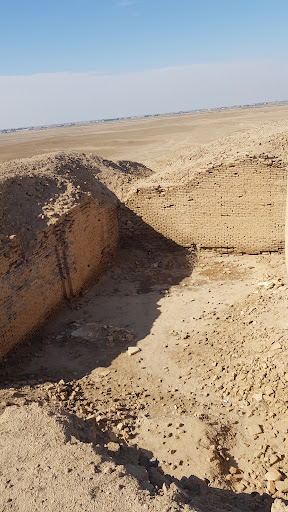
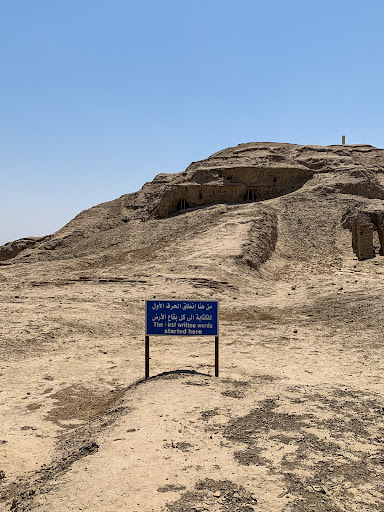
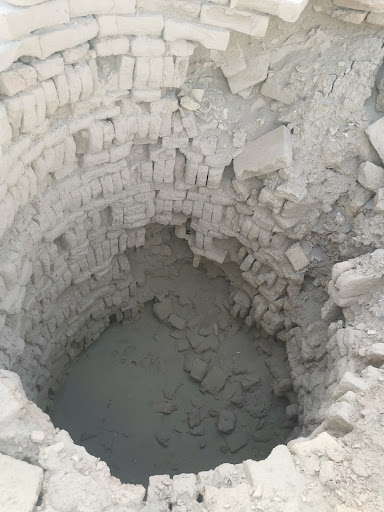
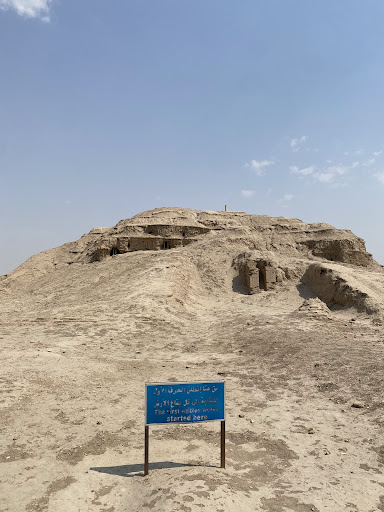
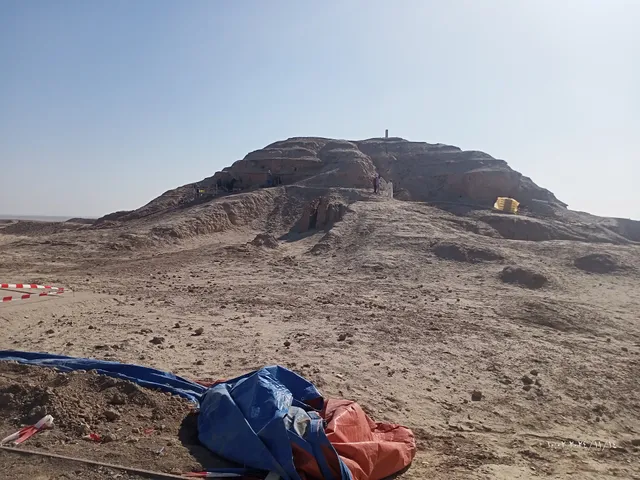
Uruk (modern Warka in Iraq) is one of the most significant ancient cities in Mesopotamia and the world, often considered the first true city in history. It played a central role in the development of urbanization and civilization during the 4th millennium BCE. Here's a detailed look at Uruk: --- Historical Significance Foundation: Uruk emerged around 4000 BCE during the Ubaid period but reached its zenith during the Uruk period (4000–3100 BCE). Cultural Center: It became a hub for culture, politics, and religion, contributing significantly to the Sumerian civilization. Population: By its peak (ca. 3100 BCE), Uruk was home to 40,000–80,000 inhabitants, making it the largest city of its time. The earliest known writing, cuneiform script, was developed in Uruk around 3100 BCE for record-keeping and administrative purposes. Uruk featured monumental architecture, advanced city planning, and a thriving economic system. The city is associated with the Epic of Gilgamesh, one of the earliest works of literature. Gilgamesh, a legendary king of Uruk, is the hero of this epic. Eanna District: Dedicated to Inanna (goddess of love, fertility, and war), it contained massive temples and ziggurats. Anu District: Included a ziggurat dedicated to the sky god Anu. Ziggurats: These stepped temples symbolized the connection between heaven and earth and were key to Sumerian religious practices. Uruk relied heavily on the fertile lands of southern Mesopotamia, cultivating barley, wheat, and dates. The city was a trading hub, with goods like copper, timber, and precious stones imported from distant regions. Uruk artisans produced fine pottery, tools, and textiles, which were exported to other parts of the ancient world. Uruk began to decline around 2000 BCE due to environmental changes, shifts in trade routes, and political instability. It remained inhabited but never regained its earlier prominence. Excavations: The site of Uruk has been extensively excavated since the 19th century, revealing its layout, artifacts, and inscriptions. UNESCO Heritage: Uruk is part of the "Ahwar of Southern Iraq" UNESCO World Heritage site, recognizing its historical and cultural importance. Uruk's innovations in writing, governance, and architecture laid the foundation for later Mesopotamian civilizations and influenced cultures throughout the ancient world
Robyn HuangRobyn Huang
This is where language originated, and it is fascinating to walk through the accessible temples (3 during the summer though many to be excavated, or would be accessible to walk to if not in 48 degrees). Bit of up and down walking through sandy areas with a guide and guard.
Meindert BakkerMeindert Bakker
This place was raw, real, in some places untouched. Not popular enough to leave piles of garbage. The guards where happy to see us. The most fun experience must be that the ticket seller walked out of the bushes on the side of the road, but we could only pay by card
See more posts
See more posts
hotel
Find your stay

Pet-friendly Hotels in Al-Khidhir Central Subdistrict

Find a cozy hotel nearby and make it a full experience.

Uruk (modern Warka in Iraq) is one of the most significant ancient cities in Mesopotamia and the world, often considered the first true city in history. It played a central role in the development of urbanization and civilization during the 4th millennium BCE. Here's a detailed look at Uruk: --- Historical Significance Foundation: Uruk emerged around 4000 BCE during the Ubaid period but reached its zenith during the Uruk period (4000–3100 BCE). Cultural Center: It became a hub for culture, politics, and religion, contributing significantly to the Sumerian civilization. Population: By its peak (ca. 3100 BCE), Uruk was home to 40,000–80,000 inhabitants, making it the largest city of its time. The earliest known writing, cuneiform script, was developed in Uruk around 3100 BCE for record-keeping and administrative purposes. Uruk featured monumental architecture, advanced city planning, and a thriving economic system. The city is associated with the Epic of Gilgamesh, one of the earliest works of literature. Gilgamesh, a legendary king of Uruk, is the hero of this epic. Eanna District: Dedicated to Inanna (goddess of love, fertility, and war), it contained massive temples and ziggurats. Anu District: Included a ziggurat dedicated to the sky god Anu. Ziggurats: These stepped temples symbolized the connection between heaven and earth and were key to Sumerian religious practices. Uruk relied heavily on the fertile lands of southern Mesopotamia, cultivating barley, wheat, and dates. The city was a trading hub, with goods like copper, timber, and precious stones imported from distant regions. Uruk artisans produced fine pottery, tools, and textiles, which were exported to other parts of the ancient world. Uruk began to decline around 2000 BCE due to environmental changes, shifts in trade routes, and political instability. It remained inhabited but never regained its earlier prominence. Excavations: The site of Uruk has been extensively excavated since the 19th century, revealing its layout, artifacts, and inscriptions. UNESCO Heritage: Uruk is part of the "Ahwar of Southern Iraq" UNESCO World Heritage site, recognizing its historical and cultural importance. Uruk's innovations in writing, governance, and architecture laid the foundation for later Mesopotamian civilizations and influenced cultures throughout the ancient world
John Travel

John Travel

hotel
Find your stay

Affordable Hotels in Al-Khidhir Central Subdistrict

Find a cozy hotel nearby and make it a full experience.

Get the Appoverlay
Get the AppOne tap to find yournext favorite spots!
This is where language originated, and it is fascinating to walk through the accessible temples (3 during the summer though many to be excavated, or would be accessible to walk to if not in 48 degrees). Bit of up and down walking through sandy areas with a guide and guard.
Robyn Huang

Robyn Huang

hotel
Find your stay

The Coolest Hotels You Haven't Heard Of (Yet)

Find a cozy hotel nearby and make it a full experience.

hotel
Find your stay

Trending Stays Worth the Hype in Al-Khidhir Central Subdistrict

Find a cozy hotel nearby and make it a full experience.

This place was raw, real, in some places untouched. Not popular enough to leave piles of garbage. The guards where happy to see us. The most fun experience must be that the ticket seller walked out of the bushes on the side of the road, but we could only pay by card
Meindert Bakker

Meindert Bakker

See more posts
See more posts

Reviews of Uruk

4.6
(154)
avatar
5.0
4y

Uruk (modern Warka in Iraq) is one of the most significant ancient cities in Mesopotamia and the world, often considered the first true city in history. It played a central role in the development of urbanization and civilization during the 4th millennium BCE. Here's a detailed look at Uruk:

Historical Significance

Foundation: Uruk emerged around 4000 BCE during the Ubaid period but reached its zenith during the Uruk period (4000–3100 BCE).

Cultural Center: It became a hub for culture, politics, and religion, contributing significantly to the Sumerian civilization.

Population: By its peak (ca. 3100 BCE), Uruk was home to 40,000–80,000 inhabitants, making it the largest city of its time.

The earliest known writing, cuneiform script, was developed in Uruk around 3100 BCE for record-keeping and administrative purposes.

Uruk featured monumental architecture, advanced city planning, and a thriving economic system. The city is associated with the Epic of Gilgamesh, one of the earliest works of literature. Gilgamesh, a legendary king of Uruk, is the hero of this epic.

Eanna District: Dedicated to Inanna (goddess of love, fertility, and war), it contained massive temples and ziggurats.

Anu District: Included a ziggurat dedicated to the sky god Anu.

Ziggurats: These stepped temples symbolized the connection between heaven and earth and were key to Sumerian religious practices.

Uruk relied heavily on the fertile lands of southern Mesopotamia, cultivating barley, wheat, and dates. The city was a trading hub, with goods like copper, timber, and precious stones imported from distant regions.

Uruk artisans produced fine pottery, tools, and textiles, which were exported to other parts of the ancient world. Uruk began to decline around 2000 BCE due to environmental changes, shifts in trade routes, and political instability. It remained inhabited but never regained its earlier prominence.

Excavations: The site of Uruk has been extensively excavated since the 19th century, revealing its layout, artifacts, and inscriptions.

UNESCO Heritage: Uruk is part of the "Ahwar of Southern Iraq" UNESCO World Heritage site, recognizing its historical and cultural importance.

Uruk's innovations in writing, governance, and architecture laid the foundation for later Mesopotamian civilizations and influenced cultures throughout the...

   Read more

avatar
4.0
2y

Warka or Uruk, which is the historical city of the Sumerian and Babylonian civilizations and the historical city of the Sumerians and Babylonians, is located east of the Euphrates River bank, and is about 35 miles from the city of Ur and about 30 km east of Samawah. The city of Warka is considered one of the first civilization centers in the world that appeared at the beginning of the Bronze Age about 4000 years BC. In the city of Uruk, writing was invented, and from this city the first letter appeared in the world, within the limits of 3100 BC. Writing appeared in its first form, as it was in its infancy. Fictitious writing, which later evolved into cuneiform. Uruk was playing a major role in the world in that period before about 2900 BC. It is said that the city of Uruk had a circumference of about 6 km, and thus it was the largest city in the world at that period, and the Epic of Gilgamesh also appeared in this city, as well as where uncolored pottery was made. on the wheel. Metal bowls were also made. A civilization that knew cuneiform writing arose in it, and it was simple pictures of things on clay tablets, in which the cuneiform line was followed. The city of Warka maintained its status as a religious city and a center for the worship of the gods Ishtar, the goddess of love and war, and its temples were dedicated to the worship of the goddess Ishtar, so the city preserved a kind of sanctity. However, the city after that lost its importance in about the...

   Read more
avatar
5.0
1y

"The poem records the Kishite siege of Uruk after lord Gilgamesh refused to submit to them, ending in Aga's defeat and consequently the fall of Kish's hegemony. While the historicity of the war remains an open question, attempts have been made to assign a historical date. The suggested date is around 2600 BC, since archaeological evidence traces the fall of Kish hegemony between ED II and ED III. The location of the battle is described as having occurred outside the walls of Uruk, situated east of the present bed of the Euphrates River.

The conflict between Uruk and Kish and the relations between Gilgamesh and Aga of Kish seem to cast light on intercity politics and on the nature of governmental institutions, the citizens' assembly, and the emergence of kingship. Some scholars regarded the tale as a reflection of the relations between Sumerians and Semitics, a potentially important but as yet obscure issue of early...

   Read more
Page 1 of 7
Previous
Next