HTML SitemapExplore

Tigris — Local services in Saladin Governorate

Name
Tigris
Description
Nearby attractions
Nearby restaurants
Nearby local services
Nearby hotels
Related posts
Keywords
Tigris tourism.Tigris hotels.Tigris bed and breakfast. flights to Tigris.Tigris attractions.Tigris restaurants.Tigris local services.Tigris travel.Tigris travel guide.Tigris travel blog.Tigris pictures.Tigris photos.Tigris travel tips.Tigris maps.Tigris things to do.
Tigris things to do, attractions, restaurants, events info and trip planning
Tigris
IraqSaladin GovernorateTigris

Basic Info

Tigris

Tigris
4.3(2.5K)
Save
spot

Ratings & Description

Info

Outdoor
Scenic
attractions: , restaurants: , local businesses:
logoLearn more insights from Wanderboat AI.

Plan your stay

hotel
Pet-friendly Hotels in Saladin Governorate
Find a cozy hotel nearby and make it a full experience.
hotel
Affordable Hotels in Saladin Governorate
Find a cozy hotel nearby and make it a full experience.
hotel
The Coolest Hotels You Haven't Heard Of (Yet)
Find a cozy hotel nearby and make it a full experience.
hotel
Trending Stays Worth the Hype in Saladin Governorate
Find a cozy hotel nearby and make it a full experience.

Reviews

Get the Appoverlay
Get the AppOne tap to find yournext favorite spots!
Wanderboat LogoWanderboat

Your everyday Al companion for getaway ideas

CompanyAbout Us
InformationAI Trip PlannerSitemap
SocialXInstagramTiktokLinkedin
LegalTerms of ServicePrivacy Policy

Get the app

© 2025 Wanderboat. All rights reserved.

Reviews of Tigris

4.3
(2,541)
avatar
5.0
19w

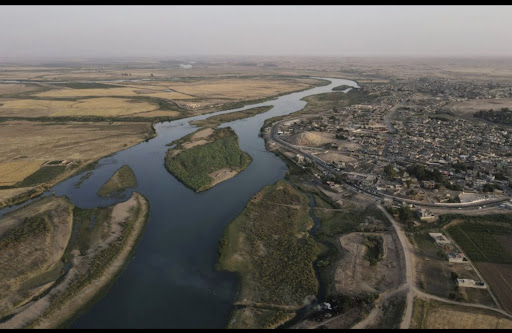
There is a voice in the flow of the Tigris that speaks across millennia, whispering stories of ancient hopes, of kingdoms risen and fallen, of life that clung to its banks and prospered. To stand by the river is to stand at the confluence of time itself.

In its upper reaches, the Tigris springs from cold, rugged lands—mountains that guard its source, snowmelt that gathers strength and purpose. One can almost taste the chill in the air, see the first threads of its journey as a promise: that water shall run, that life shall follow.

As it winds through valleys and plains, the Tigris becomes a mirror of history. Babylon. Assyria. The echo of poets, kings, farmers, children—all living, all dreaming beside its waters. It has borne burdens of war, of drought, of neglect—and still, it flows. Still, it sings.

The river’s voice is not always soft. In floods it rages, reminding humanity of its power, its wildness. In droughts it recoils, gasping, urging us to remember how fragile our existence is when untethered from nature’s pulses.

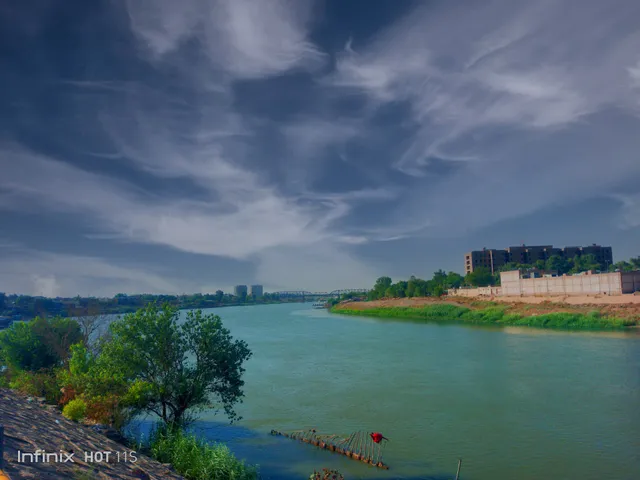
To see the Tigris in its full glory is to understand both hope and heartbreak. The green ribbon of its banks in places where crops grow lush, where people fish and swim, where shade trees lean over water—there is peace there, a deep-rooted calm. But also the knowledge that much of this beauty depends on balance: of water, of stewardship, of respect.

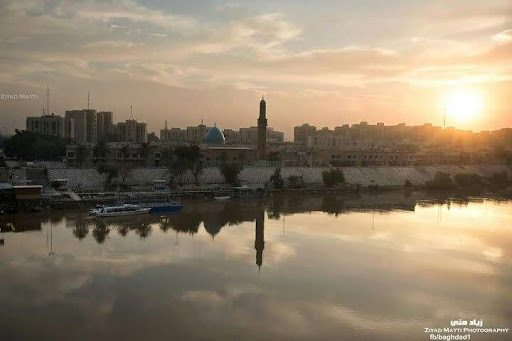
When the light of dawn breaks over its surface, casting gold upon water that has seen empires pass, I feel a reverence so deep it quiets the breath. And in the twilight, when shadows gather and the river reflects burning skies, there is mourning—for what once was, for what might be lost, for what we are capable of destroying...

   Read more

avatar
5.0
6y

Dicle nehri mezopotamya bölgesinin Fırat nehrinden sonraki en büyük nehri bu nehir doğu anadolunun yüksek dağlarından gelen kar suları ve diger küçük ırmaklarından birleşerek bu büyük nehri meydana getirir geçtiği yerlere insanların yaşam kaynağı olan suyu götürür bu sebeple kutsanmış nehirlerden biridir ve kutsal kitaplarda ismi geçer geçtiği köyler şehirleri saymak icin çok düşünüp araştırmak gerekir bu nehrin üzerinde daha önce kelek denilen bir sal türü ile yolculuklar yapılırdı o kadar düzgün akan bir nehirki Diyarbakırdan ta Bağdata kadar yolculuk yapilabilir Mezopotamya ovaları, yaşamaya elverişli bir bölge olması nedeniyle binlerce yıldır insanoğlunun yerleştiği, yaşadığı alanlar haline gelmiştir. Bölgedeki farklı dönemlere tarihlenen binlerce höyük, bu durumun kanıtıdır bu coğrafyanın içinden akmakta olan nehirler de bu kültürel yapının ve ticari gelişmenin önemli bir parçası durumundadır. Erken dönemlerden itibaren başta tahıl ürünleri olmak üzere, tuz, tekstil, canlı hayvan dışında bakır, kalay ve benzeri metallerin de bölgelerarası alım ve satımı yapılmaktadır. Söz konusu ticaretin büyük bir bölümünün binlerce yıldır kervanlar aracılığıyla, karayoluyla yapıldığı bilinmektedir. Dicle üzerinde yapılmakta olan nehir ulaşımı da bu ticari ağın bir parçası olarak karşımıza çıkmaktadır. Bu nehirlerin fiziksel yapıları kuzeyden güneye mal aktarımının yapılması açısından bu işe uygun durumdadır. Bu nedenle erken dönemlerden itibaren günlük ihtiyaçlar dışında, güneydeki bölgelerin ihtiyacı olan özellikle maden, taş ve ahşap gibi ağır ve hacimli yüklerin taşınmasında büyük oranda su yolları kullanılmıştır. Nehir veya su yolu taşımacılığı aynı zamanda ucuz ve hızlı bir taşımacılık yöntemidir. Mezopotamyada bilinen adıyla “kelek” kullanılarak yapılan insan ve yük taşımacılığı, Dicle Nehri boyunca binlerce yıl kullanılmıştır. Kürtçe ve Arapçada “kelek” olarak adlandırılan bu taşıma araçları, Akkadca “kalakku”, Assur yazıtlarında “kaluka” ve Aramicede “kalak” olarak bilinmektedir. Arapçada kamıştan sepet gibi örülerek yuvarlak olarak yapılmış olanlarına ise “kuffa” denilmektedir. Mezopotamya coğrafyasındaki nehirlerin su taşımacılığına olanaklı oluşu, güneyde denize ulaşma imkanının bulunması nedeniyle erken dönemlerden itibaren yoğun olarak kullanılmıştır. Bu nedenle Dicle nehirinin kıyısında bulunan bazı höyük ve yerleşim yerlerinin nehir taşımacılığı açısından liman gibi kullanılan, boşaltma ve yükleme yapılan yerler olduğunu söyleyebiliriz. Bu konu hakkında Eski Assur yazılı kaynakları Dicle üzerindeki bu yapılar hakkında detaylı bilgi vermektedir. Assur’a başkentlik yapmış olan üç şehir, Assur, Kalah (Nimrud) ve Nineve Dicle nehrinin kenarına kurulmuştur. Bu durum, Assur Krallığı’nın merkezinde potansiyel bir taşımacılık olanağı yaratmıştır. Bu nedenle yazılı kaynaklarda liman veya rıhtım yapılarından söz edilir. Sennacherib (MÖ 704-681) tarafından Nineve’de yaptırılan şehrin on beş kapısından birinin adı “iskele kapısı” olarak adlandırılmış ve liman olarak kullanılmıştır. Yazılı kaynaklar Sennacherib’in, kelek veya benzeri sallarla Dicle nehrini kullanarak Ninova’ye getirdiği devasa kireçtaşı heykellerden de bahsetmektedir. Ayrıca nehir limanları veya rıhtımlar, gümrük kapısı gibi kullanıldığından, bu alanların kullanımı ücrete tabidir. Bu nedenle ticari gelir kalemlerinden biri olma özelliği de taşıyordu. Aynı döneme tarihlenen Koyuncuk’tan bir kabartma üzerinde ise kelekle taş taşıyan iki Assurlu görülmektedir. Aynı kabartmada karnına aldığı şişirilmiş bir tulumla onlara yardım eden bir kişi daha vardır. Kalah’taki (Nimrud) kazılarla günışığına çıkartılan, zigguratın ve bazı saray yapılarının yakınında yer alan Asurnasirpal (MÖ 668-626) tarafından yaptırılmış olan 220 metre uzunluğunda, 10 metre yüksekliğinde olan büyük rıhtım duvarı da nehirden su yoluyla gelen malların boşaltıldığı ve yüklemenin yapıldığı alan olarak bilinmektediryapılarının arkeolojik kanıtı Botan Vadisi’ndeki Çattepe kazısında tabakalarda ortaya çıkartılmıştır. Kısaca Dicle nehri demek insanlık...

   Read more
avatar
5.0
7y

The Tigris is the eastern member of the two great rivers that define Mesopotamia, the other being the Euphrates. The river flows south from the mountains of southeastern Turkey through Iraq and empties itself into the Persian Gulf.

The Tigris is 1,750 km long, rising in the Taurus Mountains of eastern Turkey about 25 km southeast of the city of Elazig and about 30 km from the headwaters of the Euphrates. The river then flows for 400 km through Turkish territory before becoming the border between Syria and Turkey. This stretch of 44 km is the only part of the river that is located in Syria.[1]

Close to its confluence with the Euphrates, the Tigris splits into several channels. First, the artificial Shatt al-Hayy branches off, to join the Euphrates near Nasiriyah. Second, the Shatt al-Muminah and Majar al-Kabir branch off to feed the Central Marshes. Further downstream, two other distributary channels branch off (the Al-Musharrah and Al-Kahla), which feed the Hawizeh Marshes. The main channel continues southwards and is joined by the Al-Kassarah, which drains the Hawizeh Marshes. Finally, the Tigris joins the Euphrates near al-Qurnah to form the Shatt-al-Arab. According to Pliny and other ancient historians, the Euphrates originally had its outlet into the sea separate from that...

   Read more
Page 1 of 7
Previous
Next

Posts

Northern LightsNorthern Lights
There is a voice in the flow of the Tigris that speaks across millennia, whispering stories of ancient hopes, of kingdoms risen and fallen, of life that clung to its banks and prospered. To stand by the river is to stand at the confluence of time itself. In its upper reaches, the Tigris springs from cold, rugged lands—mountains that guard its source, snowmelt that gathers strength and purpose. One can almost taste the chill in the air, see the first threads of its journey as a promise: that water shall run, that life shall follow. As it winds through valleys and plains, the Tigris becomes a mirror of history. Babylon. Assyria. The echo of poets, kings, farmers, children—all living, all dreaming beside its waters. It has borne burdens of war, of drought, of neglect—and still, it flows. Still, it sings. The river’s voice is not always soft. In floods it rages, reminding humanity of its power, its wildness. In droughts it recoils, gasping, urging us to remember how fragile our existence is when untethered from nature’s pulses. To see the Tigris in its full glory is to understand both hope and heartbreak. The green ribbon of its banks in places where crops grow lush, where people fish and swim, where shade trees lean over water—there is peace there, a deep-rooted calm. But also the knowledge that much of this beauty depends on balance: of water, of stewardship, of respect. When the light of dawn breaks over its surface, casting gold upon water that has seen empires pass, I feel a reverence so deep it quiets the breath. And in the twilight, when shadows gather and the river reflects burning skies, there is mourning—for what once was, for what might be lost, for what we are capable of destroying or preserving.
Your browser does not support the video tag.
حمزة الشمريحمزة الشمري
افضل مكان بواسط ضيفوني عل تيك توك👈1h__h3
Noor MohaNoor Moha
The Tigris is the eastern member of the two great rivers that define Mesopotamia, the other being the Euphrates. The river flows south from the mountains of southeastern Turkey through Iraq and empties itself into the Persian Gulf. The Tigris is 1,750 km long, rising in the Taurus Mountains of eastern Turkey about 25 km southeast of the city of Elazig and about 30 km from the headwaters of the Euphrates. The river then flows for 400 km through Turkish territory before becoming the border between Syria and Turkey. This stretch of 44 km is the only part of the river that is located in Syria.[1] Close to its confluence with the Euphrates, the Tigris splits into several channels. First, the artificial Shatt al-Hayy branches off, to join the Euphrates near Nasiriyah. Second, the Shatt al-Muminah and Majar al-Kabir branch off to feed the Central Marshes. Further downstream, two other distributary channels branch off (the Al-Musharrah and Al-Kahla), which feed the Hawizeh Marshes. The main channel continues southwards and is joined by the Al-Kassarah, which drains the Hawizeh Marshes. Finally, the Tigris joins the Euphrates near al-Qurnah to form the Shatt-al-Arab. According to Pliny and other ancient historians, the Euphrates originally had its outlet into the sea separate from that of the Tigris
See more posts
See more posts
hotel
Find your stay

Pet-friendly Hotels in Saladin Governorate

Find a cozy hotel nearby and make it a full experience.

There is a voice in the flow of the Tigris that speaks across millennia, whispering stories of ancient hopes, of kingdoms risen and fallen, of life that clung to its banks and prospered. To stand by the river is to stand at the confluence of time itself. In its upper reaches, the Tigris springs from cold, rugged lands—mountains that guard its source, snowmelt that gathers strength and purpose. One can almost taste the chill in the air, see the first threads of its journey as a promise: that water shall run, that life shall follow. As it winds through valleys and plains, the Tigris becomes a mirror of history. Babylon. Assyria. The echo of poets, kings, farmers, children—all living, all dreaming beside its waters. It has borne burdens of war, of drought, of neglect—and still, it flows. Still, it sings. The river’s voice is not always soft. In floods it rages, reminding humanity of its power, its wildness. In droughts it recoils, gasping, urging us to remember how fragile our existence is when untethered from nature’s pulses. To see the Tigris in its full glory is to understand both hope and heartbreak. The green ribbon of its banks in places where crops grow lush, where people fish and swim, where shade trees lean over water—there is peace there, a deep-rooted calm. But also the knowledge that much of this beauty depends on balance: of water, of stewardship, of respect. When the light of dawn breaks over its surface, casting gold upon water that has seen empires pass, I feel a reverence so deep it quiets the breath. And in the twilight, when shadows gather and the river reflects burning skies, there is mourning—for what once was, for what might be lost, for what we are capable of destroying or preserving.
Northern Lights

Northern Lights

hotel
Find your stay

Affordable Hotels in Saladin Governorate

Find a cozy hotel nearby and make it a full experience.

Get the Appoverlay
Get the AppOne tap to find yournext favorite spots!
افضل مكان بواسط ضيفوني عل تيك توك👈1h__h3
حمزة الشمري

حمزة الشمري

hotel
Find your stay

The Coolest Hotels You Haven't Heard Of (Yet)

Find a cozy hotel nearby and make it a full experience.

hotel
Find your stay

Trending Stays Worth the Hype in Saladin Governorate

Find a cozy hotel nearby and make it a full experience.

The Tigris is the eastern member of the two great rivers that define Mesopotamia, the other being the Euphrates. The river flows south from the mountains of southeastern Turkey through Iraq and empties itself into the Persian Gulf. The Tigris is 1,750 km long, rising in the Taurus Mountains of eastern Turkey about 25 km southeast of the city of Elazig and about 30 km from the headwaters of the Euphrates. The river then flows for 400 km through Turkish territory before becoming the border between Syria and Turkey. This stretch of 44 km is the only part of the river that is located in Syria.[1] Close to its confluence with the Euphrates, the Tigris splits into several channels. First, the artificial Shatt al-Hayy branches off, to join the Euphrates near Nasiriyah. Second, the Shatt al-Muminah and Majar al-Kabir branch off to feed the Central Marshes. Further downstream, two other distributary channels branch off (the Al-Musharrah and Al-Kahla), which feed the Hawizeh Marshes. The main channel continues southwards and is joined by the Al-Kassarah, which drains the Hawizeh Marshes. Finally, the Tigris joins the Euphrates near al-Qurnah to form the Shatt-al-Arab. According to Pliny and other ancient historians, the Euphrates originally had its outlet into the sea separate from that of the Tigris
Noor Moha

Noor Moha

See more posts
See more posts