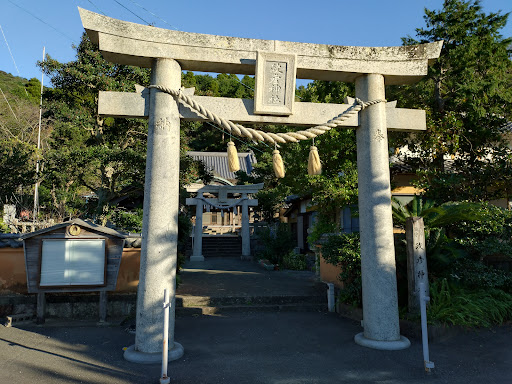
Masahiko Shrine things to do, attractions, restaurants, events info and trip planning
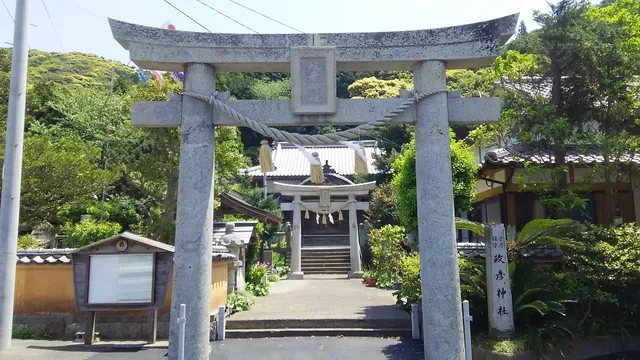
Basic Info
Masahiko Shrine
896 Namago, Shinkamigoto, Minamimatsuura District, Nagasaki 857-4402, Japan
4.5(8)
Save
spot
spot
Ratings & Description
Info
Cultural
Scenic
Family friendly
attractions: , restaurants: Sushidokoro Shima, local businesses:
 Learn more insights from Wanderboat AI.
Website
nagasaki-tabinet.com
Plan your stay

Pet-friendly Hotels in Shinkami Gotou
Find a cozy hotel nearby and make it a full experience.

Affordable Hotels in Shinkami Gotou
Find a cozy hotel nearby and make it a full experience.

The Coolest Hotels You Haven't Heard Of (Yet)
Find a cozy hotel nearby and make it a full experience.

Trending Stays Worth the Hype in Shinkami Gotou
Find a cozy hotel nearby and make it a full experience.
Reviews
Nearby restaurants of Masahiko Shrine
Sushidokoro Shima
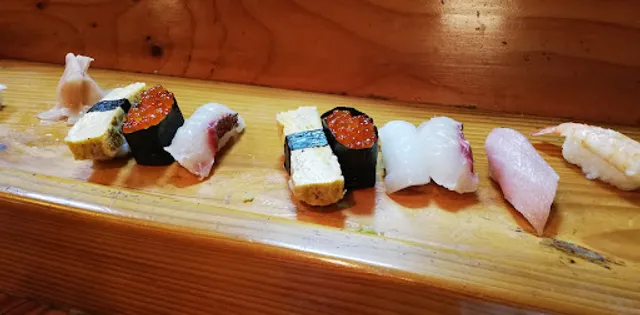
Sushidokoro Shima
4.4
(35)
$$
Closed
Click for details