OSO KUKA, the most popular, heard and known hero
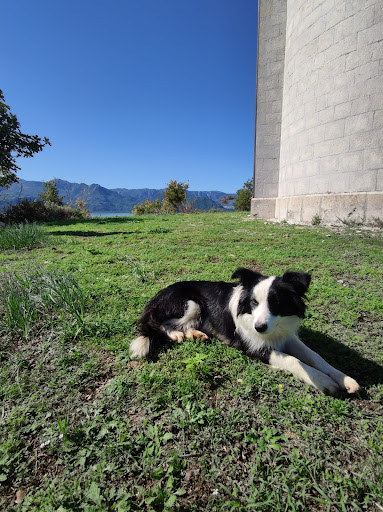
The event, where the heroism of Oso Kuka was born, was on the border line with Montenegro, namely the fortress of Vranina which in June 1862 was attacked by the Montenegrin army. It numbered no less than 8,000 troops against 24 Shkodran braves.
oso-kuka The boys of Osoja kept their rifle ready, while the song in "Lahuta e Malecija" said:
Djerse e gjak xu me u kullue Po snxue asnjeri me u ligshtue
With the fire of the Oso Kuka unit, the Serbian-Montenegrin and Russian soldiers did not take a single step forward. This convinced the enemy commander, so he put the ruse into action. Oso sent a confidant to Kuka, promising him honors and ranks. But the shepherd of our mountains gives the answer like this:
With Xevap, he is going to the school Are you listening, Nikola? Without burning the whole of Vranina Oso Kuka do not fall into your hands....
Oso Kuka, after having received the opinion of his comrades in the company not to surrender, orders one of them who served as a cook: "Bring the gunpowder barrels between the tower, because my hand is buried, they won't let me get any closer." ! And when hundreds of Serbo-Montenegro-Russians had jumped on the roof (roof) while hundreds of others had broken the walls of the gunpowder tower, the brave of the Highlands called out once more:
"Oh come on, Nicholas, may God kill you, That here they call Oso Baroti, That you burn yourself too...."
Oso Kuka, set fire to the gunpowder barrels with the other hand that was fat! Hundreds of enemies scattered in the wind. The shock of the explosion of the tobacco barrels was so strong that the mountains of the Kraja turned white, says the old man of motnuem (old), from what he had heard from his parents. With this event of bravery, Oso Kuka erected a monument to Vranina, in whose graves is the heroism of the Albanian, so much so that a Turkish general, forced by the fact of rare bravery, wrote "They are among the peoples the bravest and the most warriors, like the Frigens of death, especially when it comes to the defense of their country, with this heroism of Oso Kuka, they show that they are high-class soldiers. This is accepted by all. The heroic death of Oso Kuka was heard by young and old. Oso Kuka was mourned by his family, and well-wishing patriotic Albanians. They came for condolences not only from the entire city of Shkodra, but also from Shala e Shoshi, Gruda from Kosovo and Rrafshi i Dukagjini and the wider Albanian lands. While the Albanian Homer Father Gjergj Fishta has carved in his work the song about Oso Kuka that is sung at weddings and celebrations. In the end, the Hero came out from the people and the people sang him the verses of...
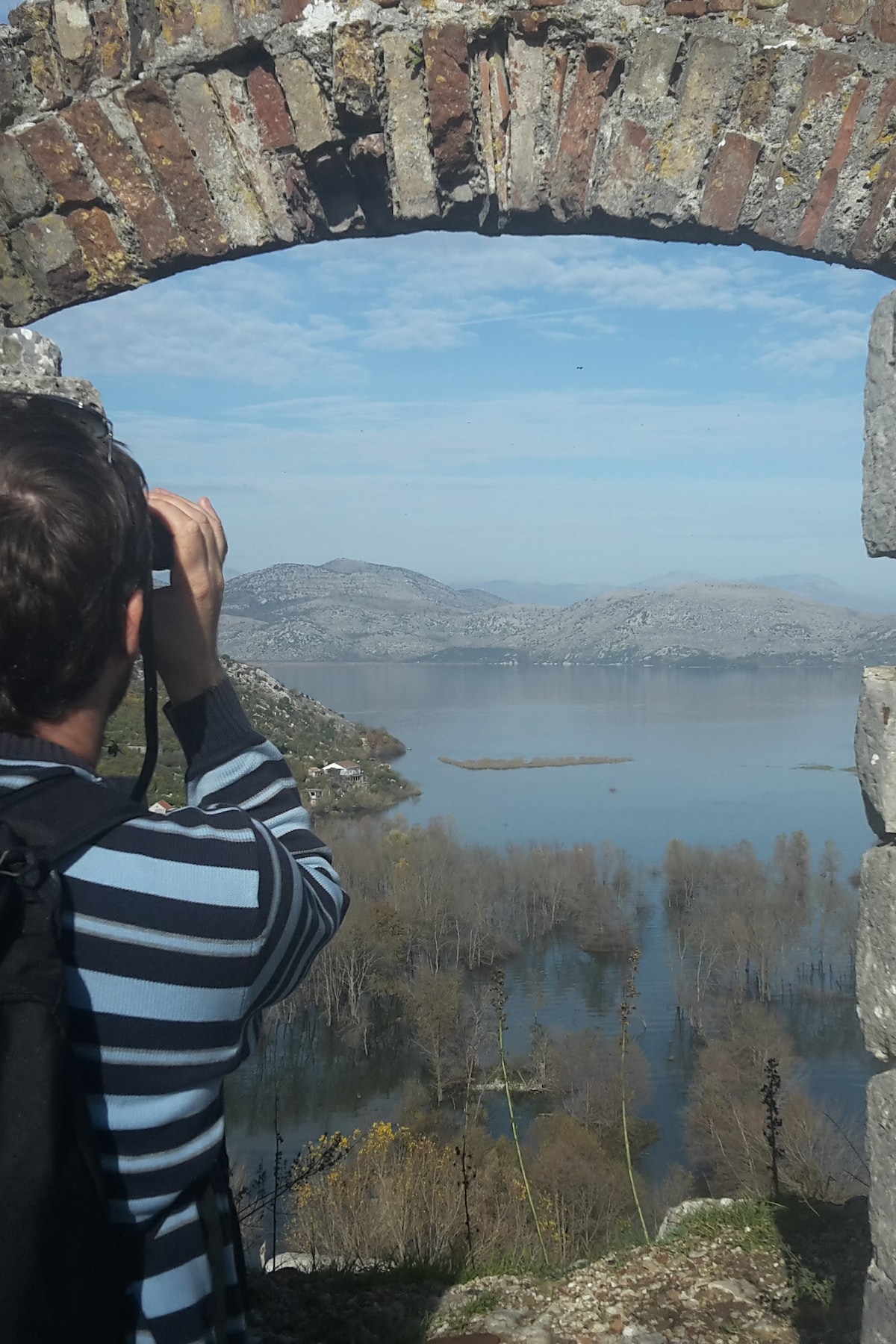
Read moreGreat views of the Skadar lake and Zeta plain, Grmožur (prison) in the distance, Rumija mountain, Skadar city. On the back side of the church can be seen Žabljak Crnojevića. This place can be reached by boat, not recommend coming over the hill
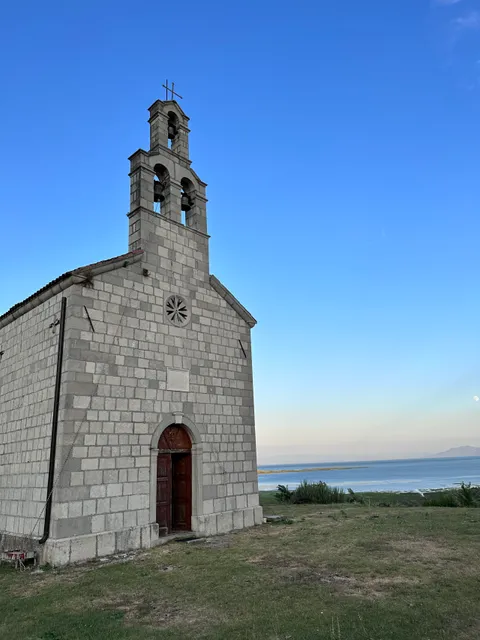
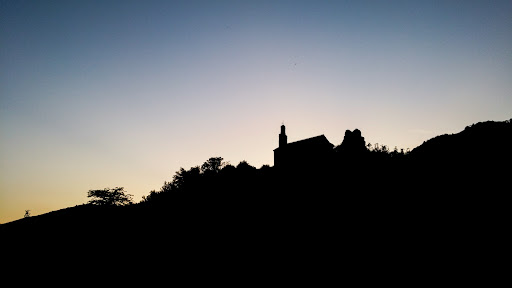
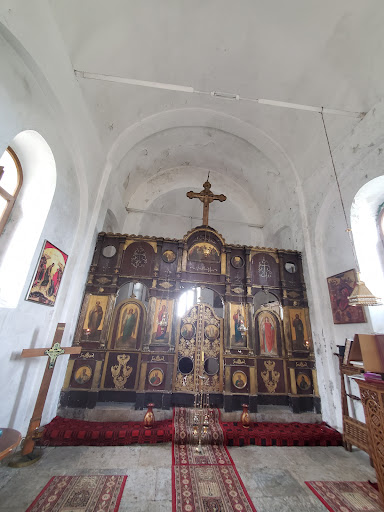
Above the mouth of the River Moraca beside Skadar Lake and on the hill Vranjina, stands church of St. Nicholas, the only one of the three former medieval church which formed the monastery Vranjina. Vranjina with several other monasteries in the vicinity of Zeta make the holy mountain. Vranjina Monastery was built with the blessing of Saint Sava, at the beginning of XIII century (1223.) built by his disciple Ilarion, the last, and first bishop of Zeta. Illarionov's grave has not been found, is believed to be near the monastery, other story says that it remains are hidden in Dajbabe monastery secret catacombs.
Monastery had three churches and refectory: the church of St. Nicholas, St. Sava and the Assumption. Today there is only the church of St. Nicholas and the shelter which was set on fire in 1971. Hundred meters from the dormitory there are remains of the church of St. Sava, the ruins of the Church of the Assumption have not been found.
The largest rise of this monastery was the time of Emperor Dusan in the fourteenth century when the monastery according to tradition visited 500 monks. The monastery was destroyed several times in the late sixteenth century by Turks, 1714. Numan Pasha Ćuprilić with a large army burned the monastery to the ground. Osman Pasha Skopljan in the war with Montenegro for Lesendro, completely desteoyed the monastery and killed a few people and monks who defended him. Alexander III Romanov 1886 gave money for the restoration of the monastery and dormitory, building that served as the palace of the royal family Petrović.
The church is the burial place of dead monks during the Ottoman forces and destruction. Here was buried, and Abbot Nicholas, who was killed at the time of Numan Pasha. In the panel that is located on the right side of the entrance to the church of St. Nicholas is the inscription: "This monastery was built in 1233. year. In this old Episcopal monastery 25 monks where killed, also Duke Raško Orlandić with 75 soldiers. Abbot Nicholas Ukmanović gave an example to all in this struggle, in this fight where killed 3013 Turks ".
Now the monastery serves father Petar Dragojlović, gentle and tall man, very intelligent and eloquent. If by any chance heading out to the monastery, let him do the work in the apiary, and then ask him about the history of monastery, you will see that it is a walking...
Read moreWe couldn't find the land road so one way to get there is by boat. There's a road that seemingly goes nowhere so in order to get a boat ride after the bridge near the google location turn left, the last house on the right owns boats and offers tours to the Monestary and other locations on the Skadar lake, we only used their services to get to the Monestary and back. There is parking infront of the house. It is safe. The owner lady is salesy, don't get...
Read more