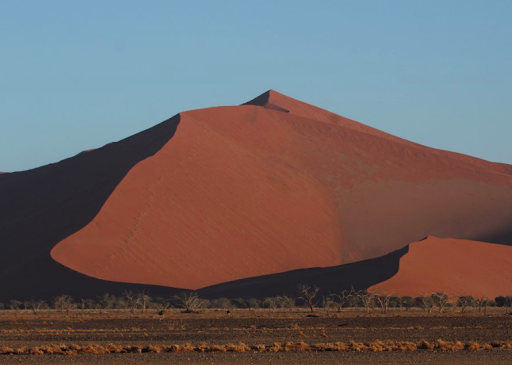
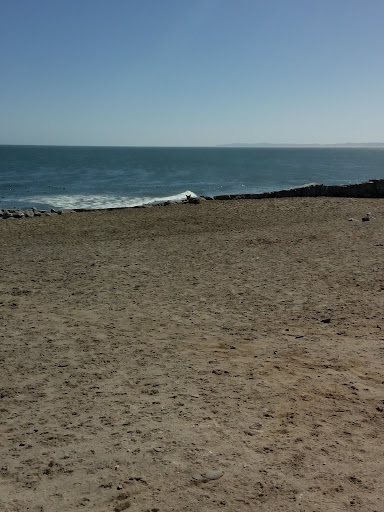
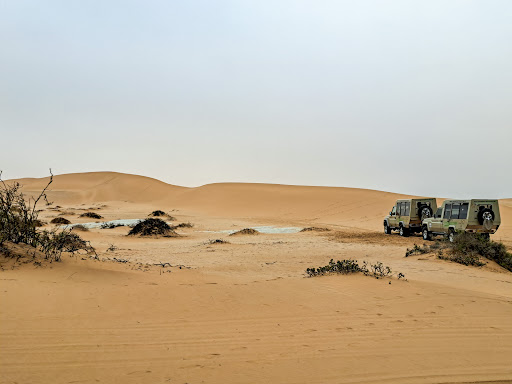
The Namib Desert is a vast place that broadly represents the desert coastline of southern Africa stretching from the northern part of South Africa past the Angola border.
It is an area that includes the UNESCO World Heritage Sand Sea, numerous sand dunes, endless kilometres of gravel plains, mountain outcrops, canyons and other areas which have been shaped by a million years of arid conditions and limited rain.
Visitors to Namibia can experience the Namib Desert in a handful of locations. Almost everyone includes stops at the immensely popular Sossusvlei to see the famous dunes and the ancient acacia trees at Deadvlei while many other manage to see coastal towns like Walvis Bay and Swakopmund and designated National Parks which stretch from the northern to southern borders of the country.
Others manage to spend places in more remote locations like the desolate Skeleton Coast, which is lined with historic shipwrecks or the the ghost towns, abandoned diamond mines and other geographical wonders like Fish River Canyon, which is the 2nd largest in the world after the Grand Canyon in the USA.
Road conditions in commonly visited areas are fine for self-drive experiences and small group tours. However, local transportation is more or less non-existent. Visitors can travel to hard to reach locations in the Namib desert by way of long 4 by 4 drives or charter flights.
A quicker way to explore parts of the Namib are by way scenic flights from places like Swakopmund. We recently enjoyed a circular flight (2 hours and 10 minutes) that included the Kuiseb Canyon, Sossusvlei and sights along the Skeleton Coast. Seeing parts of the desert from the sky is equally if not more impressive then viewing at ground level.
Like most deserts, there is a surprising amount of life that thrives in the harsh conditions of the Namib desert. Plenty of oryx, springbok and jackals can be spotted amongst the hills and roadsides. Mountain zebra and even wild horses make claim to area in the Namib, while geckos and other lizards, interesting insects and plenty of birdlife make the desert their homes in many of the places you can visit. There are even flourishing flamingo and seal colonies along the coastline.
In the end, the Namib desert is extraordinary place with dramatic landscapes that make for remarkable photographs and experiences for those who are able to travel to spend time in this harsh but beautiful area...
Read more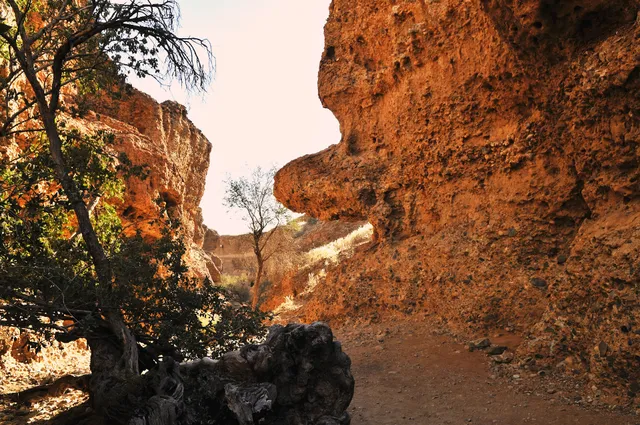
 Learn more insights from Wanderboat AI.