HTML SitemapExplore

Bargala Archaeological Site — Local services in Municipality of Karbinci

Name
Bargala Archaeological Site
Description
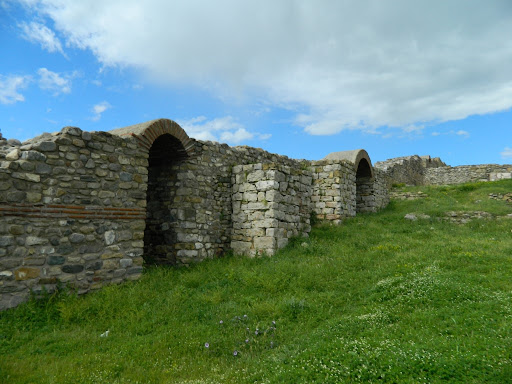
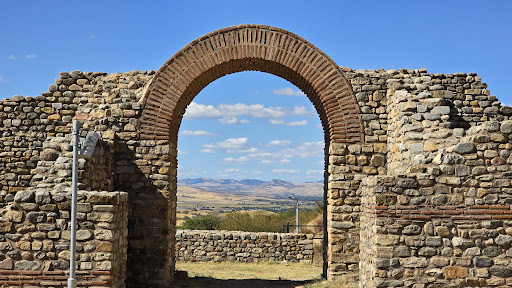
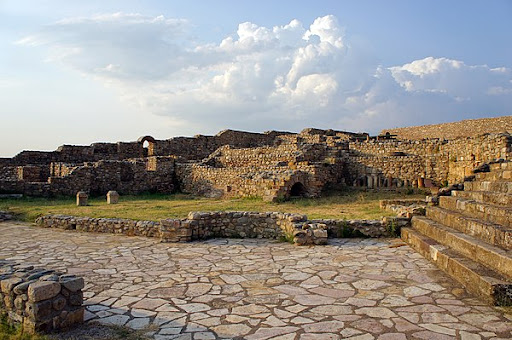
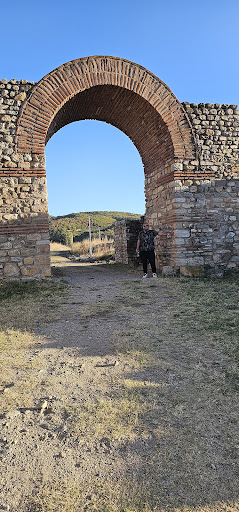
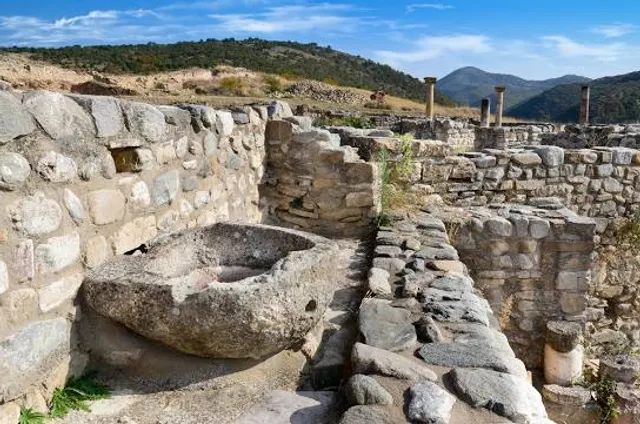
Bargala is an archaeological site in Karbinci Municipality, North Macedonia, 10 km east of the city of Štip. It is situated in a river valley on the lower slope of the north side of Plačkovica Mountain. The site's name is of Thracian origin.
Nearby attractions
Nearby restaurants
Nearby local services
Nearby hotels
Related posts
Keywords
Bargala Archaeological Site tourism.Bargala Archaeological Site hotels.Bargala Archaeological Site bed and breakfast. flights to Bargala Archaeological Site.Bargala Archaeological Site attractions.Bargala Archaeological Site restaurants.Bargala Archaeological Site local services.Bargala Archaeological Site travel.Bargala Archaeological Site travel guide.Bargala Archaeological Site travel blog.Bargala Archaeological Site pictures.Bargala Archaeological Site photos.Bargala Archaeological Site travel tips.Bargala Archaeological Site maps.Bargala Archaeological Site things to do.
Bargala Archaeological Site things to do, attractions, restaurants, events info and trip planning
Bargala Archaeological Site
North MacedoniaEastern RegionMunicipality of KarbinciBargala Archaeological Site

Basic Info

Bargala Archaeological Site

Q7XR+R2G, Kozjak, North Macedonia
4.7(85)
Save
spot

Ratings & Description

Info

Bargala is an archaeological site in Karbinci Municipality, North Macedonia, 10 km east of the city of Štip. It is situated in a river valley on the lower slope of the north side of Plačkovica Mountain. The site's name is of Thracian origin.

Cultural
Outdoor
Scenic
Off the beaten path
attractions: , restaurants: , local businesses:
logoLearn more insights from Wanderboat AI.
Website
panacomp.net

Plan your stay

hotel
Pet-friendly Hotels in Municipality of Karbinci
Find a cozy hotel nearby and make it a full experience.
hotel
Affordable Hotels in Municipality of Karbinci
Find a cozy hotel nearby and make it a full experience.
hotel
The Coolest Hotels You Haven't Heard Of (Yet)
Find a cozy hotel nearby and make it a full experience.
hotel
Trending Stays Worth the Hype in Municipality of Karbinci
Find a cozy hotel nearby and make it a full experience.

Reviews

Get the Appoverlay
Get the AppOne tap to find yournext favorite spots!
Wanderboat LogoWanderboat

Your everyday Al companion for getaway ideas

CompanyAbout Us
InformationAI Trip PlannerSitemap
SocialXInstagramTiktokLinkedin
LegalTerms of ServicePrivacy Policy

Get the app

© 2025 Wanderboat. All rights reserved.

Reviews of Bargala Archaeological Site

4.7
(85)
avatar
5.0
7y

The Late Antique city of Bargala is situated 10 km southeast of the city of Štip, at the foot of Mt. Plačkovica. It it easily approachable and there are signs along the road when you drive.

At present, several public buildings have been discovered, as well as shops and workshops that served the citizens in the period between the 5th and the beginning of the 7th centuries. The most impressive structure is the three-nave episcopal basilica which was accessed by a steep and high stairway; the three entrances (tribelon) led to the lavishly decorated interior of this temple. The skill of the local stonemasons and mosaic artisans is evident, especially in the manufacture of the architectural elements, church mobiliary and floor mosaics panels.

The artistic style is characteristic of the Early Byzantine and Christian art of the 5th and 6th centuries in Macedonia. On one of the capitals, Hermias, Bishop of Bargala, carved a prayer for salvation; he was probably also the donor of the church. A baptisterium with apiscina in which Christians were baptized has been discovered next to the north wall of this building. A single-nave chapel was added next to the south wall of the basilica. The episcopal residence stood on the northwest side; it had a small thermal bath, next to which a larger one was built for a larger number of visitors. A series of chambers were built near the northwest and southeast ramparts, which are believed to have been used as workshops and shops, as well as dwelling places.

The citizens carried out their funeral and spiritual rites outside the city walls (extra muros); therefore, 85 m north of the main gate, a basilica was used in the periodbetween the 4th and 6th centuries. The vaulted tomb discovered east of this sacral building was also part of the citizens’ spiritual life. The section of the city that has been excavated (less than 1/10 of the actual size) yielded several hidden hoards of coins, luxurious objects and complete artisan tool kits. In the darkest historical period that lasted from the 7th to the end of the 9th centuries, small groups of people settled among the ruins of the city and the city ramparts. They led a rural life and their material culture is much less significant than that of their predecessors, the Rhomeioi.

In the 10th century, a rural settlement known as Kozjak was formed on the site near the Antique city of Bargala and the river Kozjačka; it survived until the 19th century. A small church dedicated to St. George, whose architectural and artistic achievements hold a significant place in Byzantine art was also built...

   Read more

avatar
5.0
13y

Bargala is a archaeological site located south-east of Stip, by the Bregalnica river. Last archaeological researches, discovers that the period of late antique and the early Christian period was fill out with plenty monuments. The late Roman period was in a good mood in the place of Bargala and the region of the river Kozjak. In the 4th and 5th century AD, Bargala became important and well known strong cultural and religious center. Barala was spread on 5 hectares of land. It was protected by a walls with height of 2,2 meters. The Christian complex is contained by a 4 basilicas, 3 big and 1 small. Also there was a residence for the episcope. The city was in the part of the province middle Dachiya. In the literature is first mentioned in the year of 451 AD, in the list of the meeting of Halkedon, where the episcope Dardanius from Bargala is written right near the episcope Nikola from Stobi. The both of them were mentioned in the group of episcopes of Macedonia. Not far from Bargala were discovered the ruins of the ancient city of Astibo, near Stip. In Macedonia 130 basilicas were discovered mostly in the archeological sites, in villages and in...

   Read more
avatar
5.0
6y

Difficult to reach! Bargala was a fortified town constructed between the 4th and 6th century A.D., a period spanning between Late Antiquity and Early Byzantium. Archaeological excavations have uncovered a basilica, trade quarters, a water tank, a bath, and a fortification system with an impressive main gate and infrastructure. Near the city walls of Bargala, to the west, an old Christian building dating from the end of the 4th century was discovered in 1984. It is an extra muros three-nave basilica, with a protruding apse, a narthex and an exonarthex, and a floor covered with stone plaques, which were...

   Read more
Page 1 of 7
Previous
Next

Posts

Vasilka DimitrovskaVasilka Dimitrovska
The Late Antique city of Bargala is situated 10 km southeast of the city of Štip, at the foot of Mt. Plačkovica. It it easily approachable and there are signs along the road when you drive. At present, several public buildings have been discovered, as well as shops and workshops that served the citizens in the period between the 5th and the beginning of the 7th centuries. The most impressive structure is the three-nave episcopal basilica which was accessed by a steep and high stairway; the three entrances (tribelon) led to the lavishly decorated interior of this temple. The skill of the local stonemasons and mosaic artisans is evident, especially in the manufacture of the architectural elements, church mobiliary and floor mosaics panels. The artistic style is characteristic of the Early Byzantine and Christian art of the 5th and 6th centuries in Macedonia. On one of the capitals, Hermias, Bishop of Bargala, carved a prayer for salvation; he was probably also the donor of the church. A baptisterium with apiscina in which Christians were baptized has been discovered next to the north wall of this building. A single-nave chapel was added next to the south wall of the basilica. The episcopal residence stood on the northwest side; it had a small thermal bath, next to which a larger one was built for a larger number of visitors. A series of chambers were built near the northwest and southeast ramparts, which are believed to have been used as workshops and shops, as well as dwelling places. The citizens carried out their funeral and spiritual rites outside the city walls (extra muros); therefore, 85 m north of the main gate, a basilica was used in the periodbetween the 4th and 6th centuries. The vaulted tomb discovered east of this sacral building was also part of the citizens’ spiritual life. The section of the city that has been excavated (less than 1/10 of the actual size) yielded several hidden hoards of coins, luxurious objects and complete artisan tool kits. In the darkest historical period that lasted from the 7th to the end of the 9th centuries, small groups of people settled among the ruins of the city and the city ramparts. They led a rural life and their material culture is much less significant than that of their predecessors, the Rhomeioi. In the 10th century, a rural settlement known as Kozjak was formed on the site near the Antique city of Bargala and the river Kozjačka; it survived until the 19th century. A small church dedicated to St. George, whose architectural and artistic achievements hold a significant place in Byzantine art was also built on this site.
Spase ManevSpase Manev
One of the most important archaeological sites in Macedonia. There is a lot of history here, but unfortunately 90% is unexplored. Although there is something to see and there are information boards in Macedonian and English, there is still a lot to be done about this place. It is overgrown with grass everywhere, the paths are not maintained and there is no one working here. A place with huge potential, but unfortunately it is neglected.
Nena SkorpijaNena Skorpija
Баргала — древен град во Македонија, сместен во близината на Горни Козјак покрај Козјачка Река, оддалечен 12 километри североисточно од Штип. Античкиот град Баргала се наоѓа на 12 километри североисточно од Штип, во близината на Горни Козјак, крај Козјачка Река во подножјето на планината Плачковица. Наоѓалиштето, до кое води асфалтен пат, може да се посети и во вечерните часови, бидејќи тој е целосно осветлен.[1] Името Баргала е од тракиско потекло, а неговото етимолошко потекло се врзува за реката Брегалница. Истражувањата во ова наоѓалиште за првпат се започнати во 1966 година, под раководство на Блага Алексова. Во седумдесеттите години на XX век, на наоѓалиштето работела југословенско-американска екипа и тогаш е откриена епископската базилика. Подоцна се извршени дополнителни ископувањата на Баргала под раководство на Заводот за заштита на спомениците на културата и Народен музеј од Штип. Досега е истражена само една десетина од целото наоѓалиште, бидејќи тој зафаќа површина од околу пет хектари.
See more posts
See more posts
hotel
Find your stay

Pet-friendly Hotels in Municipality of Karbinci

Find a cozy hotel nearby and make it a full experience.

The Late Antique city of Bargala is situated 10 km southeast of the city of Štip, at the foot of Mt. Plačkovica. It it easily approachable and there are signs along the road when you drive. At present, several public buildings have been discovered, as well as shops and workshops that served the citizens in the period between the 5th and the beginning of the 7th centuries. The most impressive structure is the three-nave episcopal basilica which was accessed by a steep and high stairway; the three entrances (tribelon) led to the lavishly decorated interior of this temple. The skill of the local stonemasons and mosaic artisans is evident, especially in the manufacture of the architectural elements, church mobiliary and floor mosaics panels. The artistic style is characteristic of the Early Byzantine and Christian art of the 5th and 6th centuries in Macedonia. On one of the capitals, Hermias, Bishop of Bargala, carved a prayer for salvation; he was probably also the donor of the church. A baptisterium with apiscina in which Christians were baptized has been discovered next to the north wall of this building. A single-nave chapel was added next to the south wall of the basilica. The episcopal residence stood on the northwest side; it had a small thermal bath, next to which a larger one was built for a larger number of visitors. A series of chambers were built near the northwest and southeast ramparts, which are believed to have been used as workshops and shops, as well as dwelling places. The citizens carried out their funeral and spiritual rites outside the city walls (extra muros); therefore, 85 m north of the main gate, a basilica was used in the periodbetween the 4th and 6th centuries. The vaulted tomb discovered east of this sacral building was also part of the citizens’ spiritual life. The section of the city that has been excavated (less than 1/10 of the actual size) yielded several hidden hoards of coins, luxurious objects and complete artisan tool kits. In the darkest historical period that lasted from the 7th to the end of the 9th centuries, small groups of people settled among the ruins of the city and the city ramparts. They led a rural life and their material culture is much less significant than that of their predecessors, the Rhomeioi. In the 10th century, a rural settlement known as Kozjak was formed on the site near the Antique city of Bargala and the river Kozjačka; it survived until the 19th century. A small church dedicated to St. George, whose architectural and artistic achievements hold a significant place in Byzantine art was also built on this site.
Vasilka Dimitrovska

Vasilka Dimitrovska

hotel
Find your stay

Affordable Hotels in Municipality of Karbinci

Find a cozy hotel nearby and make it a full experience.

Get the Appoverlay
Get the AppOne tap to find yournext favorite spots!
One of the most important archaeological sites in Macedonia. There is a lot of history here, but unfortunately 90% is unexplored. Although there is something to see and there are information boards in Macedonian and English, there is still a lot to be done about this place. It is overgrown with grass everywhere, the paths are not maintained and there is no one working here. A place with huge potential, but unfortunately it is neglected.
Spase Manev

Spase Manev

hotel
Find your stay

The Coolest Hotels You Haven't Heard Of (Yet)

Find a cozy hotel nearby and make it a full experience.

hotel
Find your stay

Trending Stays Worth the Hype in Municipality of Karbinci

Find a cozy hotel nearby and make it a full experience.

Баргала — древен град во Македонија, сместен во близината на Горни Козјак покрај Козјачка Река, оддалечен 12 километри североисточно од Штип. Античкиот град Баргала се наоѓа на 12 километри североисточно од Штип, во близината на Горни Козјак, крај Козјачка Река во подножјето на планината Плачковица. Наоѓалиштето, до кое води асфалтен пат, може да се посети и во вечерните часови, бидејќи тој е целосно осветлен.[1] Името Баргала е од тракиско потекло, а неговото етимолошко потекло се врзува за реката Брегалница. Истражувањата во ова наоѓалиште за првпат се започнати во 1966 година, под раководство на Блага Алексова. Во седумдесеттите години на XX век, на наоѓалиштето работела југословенско-американска екипа и тогаш е откриена епископската базилика. Подоцна се извршени дополнителни ископувањата на Баргала под раководство на Заводот за заштита на спомениците на културата и Народен музеј од Штип. Досега е истражена само една десетина од целото наоѓалиште, бидејќи тој зафаќа површина од околу пет хектари.
Nena Skorpija

Nena Skorpija

See more posts
See more posts