HTML SitemapExplore

Tilla Jogian — Local services in Dina Tehsil

Name
Tilla Jogian
Description
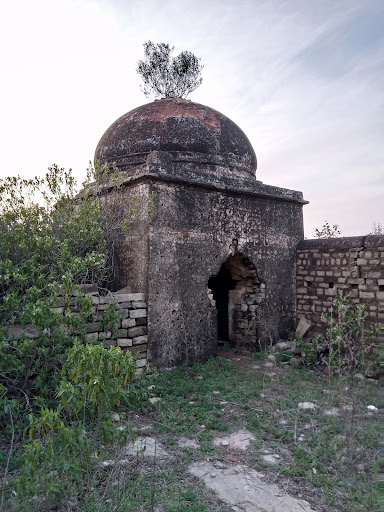
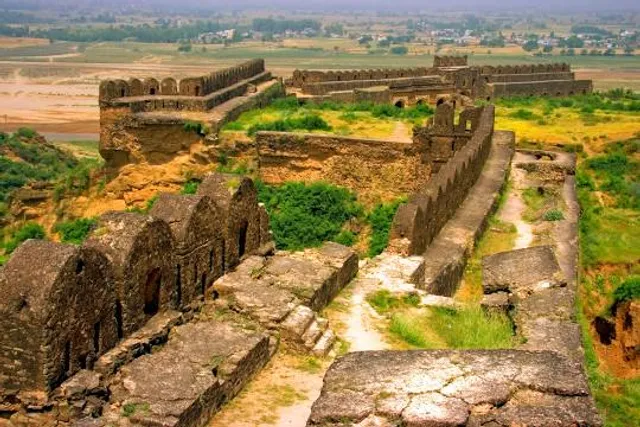
Tilla Jogian is an abandoned Hindu temple and monastic complex located on the summit of the Tilla Jogian mountain in the Salt Range of Pakistan's Punjab province. The complex was the most important centre for Hindu jogis in Punjab prior to 1947, and had housed hundreds of ascetics.
Nearby attractions
Nearby restaurants
Nearby local services
Nearby hotels
Related posts
Keywords
Tilla Jogian tourism.Tilla Jogian hotels.Tilla Jogian bed and breakfast. flights to Tilla Jogian.Tilla Jogian attractions.Tilla Jogian restaurants.Tilla Jogian local services.Tilla Jogian travel.Tilla Jogian travel guide.Tilla Jogian travel blog.Tilla Jogian pictures.Tilla Jogian photos.Tilla Jogian travel tips.Tilla Jogian maps.Tilla Jogian things to do.
Tilla Jogian things to do, attractions, restaurants, events info and trip planning
Tilla Jogian
PakistanPunjabDina TehsilTilla Jogian

Basic Info

Tilla Jogian

Pakistan
4.4(101)
Save
spot

Ratings & Description

Info

Tilla Jogian is an abandoned Hindu temple and monastic complex located on the summit of the Tilla Jogian mountain in the Salt Range of Pakistan's Punjab province. The complex was the most important centre for Hindu jogis in Punjab prior to 1947, and had housed hundreds of ascetics.

Cultural
Outdoor
Adventure
Scenic
Off the beaten path
attractions: , restaurants: , local businesses:
logoLearn more insights from Wanderboat AI.

Plan your stay

hotel
Pet-friendly Hotels in Dina Tehsil
Find a cozy hotel nearby and make it a full experience.
hotel
Affordable Hotels in Dina Tehsil
Find a cozy hotel nearby and make it a full experience.
hotel
The Coolest Hotels You Haven't Heard Of (Yet)
Find a cozy hotel nearby and make it a full experience.
hotel
Trending Stays Worth the Hype in Dina Tehsil
Find a cozy hotel nearby and make it a full experience.

Reviews

Get the Appoverlay
Get the AppOne tap to find yournext favorite spots!
Wanderboat LogoWanderboat

Your everyday Al companion for getaway ideas

CompanyAbout Us
InformationAI Trip PlannerSitemap
SocialXInstagramTiktokLinkedin
LegalTerms of ServicePrivacy Policy

Get the app

© 2025 Wanderboat. All rights reserved.

Posts

AHMAD ABDULLAHAHMAD ABDULLAH
The complex was the most important centre for Hindu jogis in Punjab prior to 1947, and had housed hundreds of ascetics . The site is also important in Sikhism for its association with the founder of the Sikh faith, Guru Nanak. The Tilla Jogian complex is located on Pakistan's Potohar plateau, approximately 25 km west of the cities of Jhelum and Dina. It is approximately 9 km far from Khukha . The complex is located near the Jhelum River and the Grand Trunk Road – the ancient route which connected Central Asia to India. Tilla Jogian is also near the Rohtas Fort, and the Katas Raj Temples – another important Hindu pilgrimage site with a sacred pond that is said to have been created from the teardrops of the Hindu god Shiva. Tilla Jogian complex is located in Pakistan's Salt Range, on a mountaintop of the same name. The temples are located at an altitude of 975 meters (3200 ft) near the summit of the mountain, resulting in a cooler and wetter climate relative to the Punjab plains. The complex is located in an area that is forested with olive trees, pines, and Acacia modesta. Tilla Jogian is popularly believed to have been a Hindu pilgrimage centre for at least 2000 years.The complex is said to have been established in 1st century BCE. The Kanphata jogi, an ascetic order noted for its members' ear piercings, was founded by Guru Gorakhnath, and was centred at TIlla Jogian. Tilla Jogian's importance as a Hindu pilgrimage centre attracted the founder of Sikh faith, Guru Nanak who meditated here for 40 days in the early 1500s.The Mughal Emperor Akbar visited the "Shrine of Balnath," an influential and widely venerated yogi. The shine was noted by his chronicler Abul Fazal to be "so old" that its origins had become obscure, and that Akbar expressed marvel at the site's old age.The 17th century emperor, Jahangir, also visited the temple complex. Following the collapse of Mughal rule, the complex was sacked and looted by the Pashtun king Ahmad Shah Abdali,during one of his several raids into Punjab.The complex was quickly rebuilt following Abdali's defeat. Maharaja Ranjit Singh in the late 19th century commemorated the visit of Guru Nanak with the construction of a stone-lined pond, and construction of a small monument to mark the exact spot at which Guru Nanak is said to have usually meditated. During the British Raj, the local deputy commissioner built a bungalow at the site, having been attracted to the site for its cooler weather.The site was considered the most important pilgrimage site for jogis in Punjab prior to the Partition of British India in 1947.Immediately prior to Partition, an annual festival took place on the first day of the Hindu month of Chaitra, during which communal meals were served to all attendees.
Muhammad ShoaibMuhammad Shoaib
Tilla jogian is a religious and archeological site. This mountain has seen the multiple religious and kingdom eras. Buddhist, hindu religious man live here, sikh religious first Guru baba nanak ji also visit this place. The Ranja (character of one of the famous love story of punjab heer ranja) also became jogi here by the gead of jogies Balak nath and he wear glass rings in his Muslim and sikh ruler also visited this place. I cant explain the beauty of this site into words. I spend 2 night and 2 days on this place and these are best time of my life .
Muhammad Kashif AliMuhammad Kashif Ali
Tilla Jogian is a historical place in the Salt Range, it was a focal place for jiggis of the British India. After the partition of India in 1947 the joggis migrated. Tilla is the highest mountain of the Salt Range, to reach at the top one has to hike from Bhet village for some one and half hour to two hours.
See more posts
See more posts
hotel
Find your stay

Pet-friendly Hotels in Dina Tehsil

Find a cozy hotel nearby and make it a full experience.

The complex was the most important centre for Hindu jogis in Punjab prior to 1947, and had housed hundreds of ascetics . The site is also important in Sikhism for its association with the founder of the Sikh faith, Guru Nanak. The Tilla Jogian complex is located on Pakistan's Potohar plateau, approximately 25 km west of the cities of Jhelum and Dina. It is approximately 9 km far from Khukha . The complex is located near the Jhelum River and the Grand Trunk Road – the ancient route which connected Central Asia to India. Tilla Jogian is also near the Rohtas Fort, and the Katas Raj Temples – another important Hindu pilgrimage site with a sacred pond that is said to have been created from the teardrops of the Hindu god Shiva. Tilla Jogian complex is located in Pakistan's Salt Range, on a mountaintop of the same name. The temples are located at an altitude of 975 meters (3200 ft) near the summit of the mountain, resulting in a cooler and wetter climate relative to the Punjab plains. The complex is located in an area that is forested with olive trees, pines, and Acacia modesta. Tilla Jogian is popularly believed to have been a Hindu pilgrimage centre for at least 2000 years.The complex is said to have been established in 1st century BCE. The Kanphata jogi, an ascetic order noted for its members' ear piercings, was founded by Guru Gorakhnath, and was centred at TIlla Jogian. Tilla Jogian's importance as a Hindu pilgrimage centre attracted the founder of Sikh faith, Guru Nanak who meditated here for 40 days in the early 1500s.The Mughal Emperor Akbar visited the "Shrine of Balnath," an influential and widely venerated yogi. The shine was noted by his chronicler Abul Fazal to be "so old" that its origins had become obscure, and that Akbar expressed marvel at the site's old age.The 17th century emperor, Jahangir, also visited the temple complex. Following the collapse of Mughal rule, the complex was sacked and looted by the Pashtun king Ahmad Shah Abdali,during one of his several raids into Punjab.The complex was quickly rebuilt following Abdali's defeat. Maharaja Ranjit Singh in the late 19th century commemorated the visit of Guru Nanak with the construction of a stone-lined pond, and construction of a small monument to mark the exact spot at which Guru Nanak is said to have usually meditated. During the British Raj, the local deputy commissioner built a bungalow at the site, having been attracted to the site for its cooler weather.The site was considered the most important pilgrimage site for jogis in Punjab prior to the Partition of British India in 1947.Immediately prior to Partition, an annual festival took place on the first day of the Hindu month of Chaitra, during which communal meals were served to all attendees.
AHMAD ABDULLAH

AHMAD ABDULLAH

hotel
Find your stay

Affordable Hotels in Dina Tehsil

Find a cozy hotel nearby and make it a full experience.

Get the Appoverlay
Get the AppOne tap to find yournext favorite spots!
Tilla jogian is a religious and archeological site. This mountain has seen the multiple religious and kingdom eras. Buddhist, hindu religious man live here, sikh religious first Guru baba nanak ji also visit this place. The Ranja (character of one of the famous love story of punjab heer ranja) also became jogi here by the gead of jogies Balak nath and he wear glass rings in his Muslim and sikh ruler also visited this place. I cant explain the beauty of this site into words. I spend 2 night and 2 days on this place and these are best time of my life .
Muhammad Shoaib

Muhammad Shoaib

hotel
Find your stay

The Coolest Hotels You Haven't Heard Of (Yet)

Find a cozy hotel nearby and make it a full experience.

hotel
Find your stay

Trending Stays Worth the Hype in Dina Tehsil

Find a cozy hotel nearby and make it a full experience.

Tilla Jogian is a historical place in the Salt Range, it was a focal place for jiggis of the British India. After the partition of India in 1947 the joggis migrated. Tilla is the highest mountain of the Salt Range, to reach at the top one has to hike from Bhet village for some one and half hour to two hours.
Muhammad Kashif Ali

Muhammad Kashif Ali

See more posts
See more posts

Reviews of Tilla Jogian

4.4
(101)
avatar
5.0
6y

The complex was the most important centre for Hindu jogis in Punjab prior to 1947, and had housed hundreds of ascetics . The site is also important in Sikhism for its association with the founder of the Sikh faith, Guru Nanak. The Tilla Jogian complex is located on Pakistan's Potohar plateau, approximately 25 km west of the cities of Jhelum and Dina. It is approximately 9 km far from Khukha . The complex is located near the Jhelum River and the Grand Trunk Road – the ancient route which connected Central Asia to India. Tilla Jogian is also near the Rohtas Fort, and the Katas Raj Temples – another important Hindu pilgrimage site with a sacred pond that is said to have been created from the teardrops of the Hindu god Shiva.

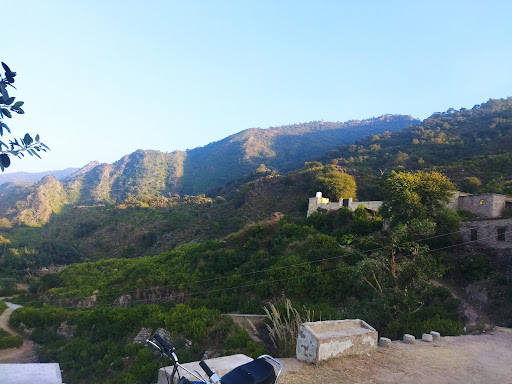
Tilla Jogian complex is located in Pakistan's Salt Range, on a mountaintop of the same name. The temples are located at an altitude of 975 meters (3200 ft) near the summit of the mountain, resulting in a cooler and wetter climate relative to the Punjab plains. The complex is located in an area that is forested with olive trees, pines, and Acacia modesta.[1]

Tilla Jogian is popularly believed to have been a Hindu pilgrimage centre for at least 2000 years.[1] The complex is said to have been established in 1st century BCE.[2] The Kanphata jogi, an ascetic order noted for its members' ear piercings, was founded by Guru Gorakhnath, and was centred at TIlla Jogian.[3]

Tilla Jogian's importance as a Hindu pilgrimage centre attracted the founder of Sikh faith, Guru Nanak who meditated here for 40 days in the early 1500s.[4] The Mughal Emperor Akbar visited the "Shrine of Balnath," an influential and widely venerated yogi. The shine was noted by his chronicler Abul Fazal to be "so old" that its origins had become obscure,[5] and that Akbar expressed marvel at the site's old age.[1] The 17th century emperor, Jahangir, also visited the temple complex. Following the collapse of Mughal rule, the complex was sacked and looted by the Pashtun king Ahmad Shah Abdali,[2] during one of his several raids into Punjab.[6] The complex was quickly rebuilt following Abdali's defeat.[1]

Maharaja Ranjit Singh in the late 19th century commemorated the visit of Guru Nanak with the construction of a stone-lined pond, and construction of a small monument to mark the exact spot at which Guru Nanak is said to have usually meditated.[4]

During the British Raj, the local deputy commissioner built a bungalow at the site, having been attracted to the site for its cooler weather.[7] The site was considered the most important pilgrimage site for jogis in Punjab prior to the Partition of British India in 1947.[8] Immediately prior to Partition, an annual festival took place on the first day of the Hindu month of Chaitra, during which communal meals were served to all...

   Read more

avatar
4.0
2y

The complex was the most important centre for Hindu jogis in Punjab prior to 1947, and had housed hundreds of ascetics . The site is also important in Sikhism for its association with the founder of the Sikh faith, Guru Nanak. The Tilla Jogian complex is located on Pakistan's Potohar plateau, approximately 25 km west of the cities of Jhelum and Dina. It is approximately 9 km far from Khukha . The complex is located near the Jhelum River and the Grand Trunk Road – the ancient route which connected Central Asia to India. Tilla Jogian is also near the Rohtas Fort, and the Katas Raj Temples – another important Hindu pilgrimage site with a sacred pond that is said to have been created from the teardrops of the Hindu god Shiva.

Tilla Jogian complex is located in Pakistan's Salt Range, on a mountaintop of the same name. The temples are located at an altitude of 975 meters (3200 ft) near the summit of the mountain, resulting in a cooler and wetter climate relative to the Punjab plains. The complex is located in an area that is forested with olive trees, pines, and Acacia modesta.

Tilla Jogian is popularly believed to have been a Hindu pilgrimage centre for at least 2000 years.The complex is said to have been established in 1st century BCE. The Kanphata jogi, an ascetic order noted for its members' ear piercings, was founded by Guru Gorakhnath, and was centred at TIlla Jogian.

Tilla Jogian's importance as a Hindu pilgrimage centre attracted the founder of Sikh faith, Guru Nanak who meditated here for 40 days in the early 1500s.The Mughal Emperor Akbar visited the "Shrine of Balnath," an influential and widely venerated yogi. The shine was noted by his chronicler Abul Fazal to be "so old" that its origins had become obscure, and that Akbar expressed marvel at the site's old age.The 17th century emperor, Jahangir, also visited the temple complex. Following the collapse of Mughal rule, the complex was sacked and looted by the Pashtun king Ahmad Shah Abdali,during one of his several raids into Punjab.The complex was quickly rebuilt following Abdali's defeat.

Maharaja Ranjit Singh in the late 19th century commemorated the visit of Guru Nanak with the construction of a stone-lined pond, and construction of a small monument to mark the exact spot at which Guru Nanak is said to have usually meditated.

During the British Raj, the local deputy commissioner built a bungalow at the site, having been attracted to the site for its cooler weather.The site was considered the most important pilgrimage site for jogis in Punjab prior to the Partition of British India in 1947.Immediately prior to Partition, an annual festival took place on the first day of the Hindu month of Chaitra, during which communal meals were served to...

   Read more
avatar
5.0
4y

Tilla jogian is a religious and archeological site. This mountain has seen the multiple religious and kingdom eras. Buddhist, hindu religious man live here, sikh religious first Guru baba nanak ji also visit this place. The Ranja (character of one of the famous love story of punjab heer ranja) also became jogi here by the gead of jogies Balak nath and he wear glass rings in his Muslim and sikh ruler also visited this place. I cant explain the beauty of this site into words. I spend 2 night and 2 days on this place and these are best time...

   Read more
Page 1 of 7
Previous
Next