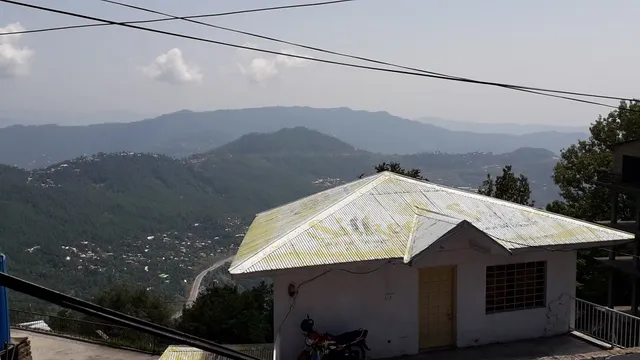
Murree Hill Station, located in the Galyat region of the Pir Panjal Range, Punjab, Pakistan, is a popular tourist destination known for its cool climate, scenic beauty, and historical significance. Here are some key details about Murree:
History and Development:
Murree was identified as a potential hill station by Major James Abbott in 1847 and developed further by Sir Henry Lawrence in 1851 as a sanatorium for British troops stationed on the Afghan frontier. The permanent town was established in 1853, featuring Tudorbethan and neo-gothic architecture, with the main thoroughfare known as "The Mall Road." Initially a summer headquarters for the colonial Punjab Government, it became a prominent tourist station for British citizens during the British Raj. Tourist Attractions:
Mall Road: The central avenue lined with shops, restaurants, and colonial-era buildings, remains a bustling hub for tourists. Pindi Point and Kashmir Point: Scenic viewpoints offering panoramic views of the surrounding hills and valleys. Lawrence College: A prestigious institution founded during the colonial era, known for its architecture and educational legacy. Climate and Geography:
Murree features a monsoon-influenced subtropical highland climate with cold, snowy winters and relatively cool summers. Average altitude is 2,291 meters (7,516 ft) above sea level, providing respite from the summer heat of the plains. The region receives significant snowfall from January to February, adding to its allure as a winter destination. Modern Significance:
Since Pakistan's independence in 1947, Murree has continued to attract tourists from Islamabad-Rawalpindi and serves as a transit point for travelers heading towards Azad Kashmir and Abbottabad. The area also hosts diplomatic retreats and official residences for foreign dignitaries, showcasing its continued political and strategic importance. Infrastructure and Administration:
Murree is the municipal capital of Murree Tehsil and serves as a Union Council within the Rawalpindi District. It houses military cantonments, educational institutions, and healthcare facilities, including a combined military hospital and Pakistan Air Force base at Lower Topa. Notable People:
Murree has been associated with several notable figures including Harold Hall (cricketer), Parikshit Sahni (Indian actor), and Francis Younghusband (explorer), reflecting its historical and cultural...
Read moreThe Murree Hills, located in the Punjab province of Pakistan, have a rich and interesting history that dates back to the colonial era. Here's an overview of the history of Murree Hills:
Early History: Before the arrival of the British, the region where Murree is situated was inhabited by indigenous tribes, including the Dhund Abbasis. It was primarily a dense forest area.
British Colonial Era: The British East India Company recognized the strategic importance of the Murree Hills due to its pleasant climate and proximity to the plains. In 1851, they established a sanatorium in Murree, primarily for British soldiers and officers to escape the scorching heat of the plains during the summer months.
Development as a Hill Station: Murree rapidly developed into a popular hill station under British rule. The British built summer residences, churches, schools, and other colonial-era buildings. It became a hub for British officials, military personnel, and their families.
Expansion and Infrastructure: The British administration invested in the development of infrastructure in Murree. They constructed roads, water supply systems, and introduced electricity, making it a well-connected and comfortable hill station.
Tourism and Recreation: Murree gained popularity not only among the British but also among Indians and later Pakistanis. It became a sought-after destination for vacations, attracting tourists with its cool climate, natural beauty, and recreational activities.
Educational Institutions: Murree became home to several prestigious educational institutions. Renowned schools such as Lawrence College Ghora Gali and Convent of Jesus and Mary Murree were established, providing quality education to the children of British officials and the local elite.
Independence and Post-Partition Era: After the partition of India in 1947, Murree became part of Pakistan. The hill station continued to thrive as a popular tourist destination and a hub for educational institutions. It also witnessed further development and modernization over the years.
Today, Murree Hills remain a cherished tourist spot, attracting visitors from within Pakistan and abroad. Its beautiful scenery, pleasant climate, and historical charm make it a favorite getaway for people seeking respite from the heat and a glimpse into its...
Read moreMurree the most popular hill station and summer resort in the country, is a tehsil of district Rawalpindi. It is been visited by tourists all around the year either to enjoy the cool summers or the snowy winters. Besides scenic beauty, pleasant weather, mesmerizing greenery, and wild life, one of the reason of its popularity as a vacation spot is its easy accessibility from the vicinity of Rawalpindi/Islamabad (only 1 hour drive) and from Punjab plains. It can be accessed by two routes. One is the 2 lane old route Rawalpindi-Srinagar Highway. The other is Islamabad-Muzaffarabad 4 lane Expressway which was opened in 2008 till upper toppa. It is a more comfortable route compared to the jam-packed and broken old route. You will see stalls of shawls, rugs, umbrellas, fruits, calligraphy Paintings and stuff like that around every corner alongside the road. The locally grown fruits are strawberries, Cherries, apricots, Peaches,...
Read more