HTML SitemapExplore

Gurudwara Janam Asthan Nankana Sahib — Local services in Nankana Sahib Tehsil

Name
Gurudwara Janam Asthan Nankana Sahib
Description
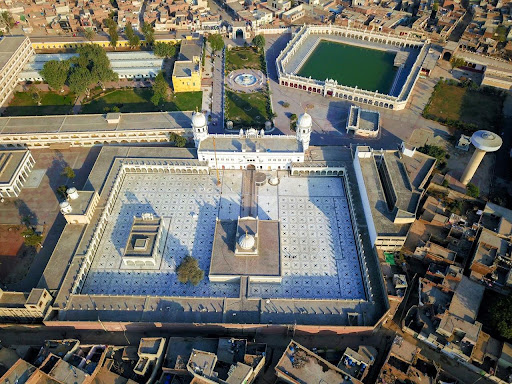
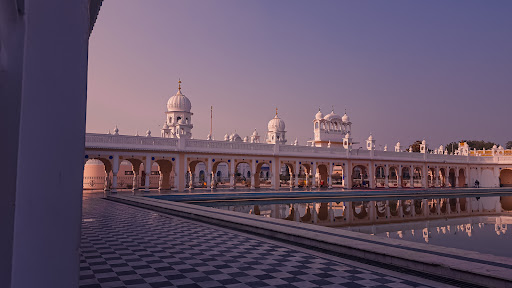
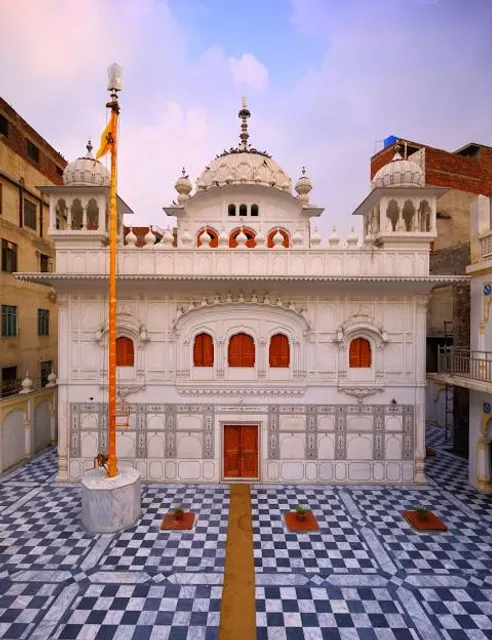
Gurdwara Janam Asthan, also referred to as Gurdwara Nankana Sahib, is a highly revered gurdwara in Nankana Sahib, Punjab, Pakistan. It is situated at the site where the founder of Sikhism, Guru Nanak, was born and it is considered one of the holiest sites in Sikhism.
Nearby attractions
Nearby restaurants
Nearby local services
Nearby hotels
Related posts
Keywords
Gurudwara Janam Asthan Nankana Sahib tourism.Gurudwara Janam Asthan Nankana Sahib hotels.Gurudwara Janam Asthan Nankana Sahib bed and breakfast. flights to Gurudwara Janam Asthan Nankana Sahib.Gurudwara Janam Asthan Nankana Sahib attractions.Gurudwara Janam Asthan Nankana Sahib restaurants.Gurudwara Janam Asthan Nankana Sahib local services.Gurudwara Janam Asthan Nankana Sahib travel.Gurudwara Janam Asthan Nankana Sahib travel guide.Gurudwara Janam Asthan Nankana Sahib travel blog.Gurudwara Janam Asthan Nankana Sahib pictures.Gurudwara Janam Asthan Nankana Sahib photos.Gurudwara Janam Asthan Nankana Sahib travel tips.Gurudwara Janam Asthan Nankana Sahib maps.Gurudwara Janam Asthan Nankana Sahib things to do.
Gurudwara Janam Asthan Nankana Sahib things to do, attractions, restaurants, events info and trip planning
Gurudwara Janam Asthan Nankana Sahib
PakistanPunjabNankana Sahib TehsilGurudwara Janam Asthan Nankana Sahib

Basic Info

Gurudwara Janam Asthan Nankana Sahib

CMWW+8H6, Buchey Ki Rd, Nankana Sahib, Pakistan
4.6(1.2K)
Open until 4:00 PM
Save
spot

Ratings & Description

Info

Gurdwara Janam Asthan, also referred to as Gurdwara Nankana Sahib, is a highly revered gurdwara in Nankana Sahib, Punjab, Pakistan. It is situated at the site where the founder of Sikhism, Guru Nanak, was born and it is considered one of the holiest sites in Sikhism.

Cultural
Family friendly
attractions: , restaurants: , local businesses:

logoLearn more insights from Wanderboat AI.
Phone
+92 300 4554411
Open hoursSee all hours
Wed8 AM - 4 PMOpen

Plan your stay

hotel
Pet-friendly Hotels in Nankana Sahib Tehsil
Find a cozy hotel nearby and make it a full experience.

hotel
Affordable Hotels in Nankana Sahib Tehsil
Find a cozy hotel nearby and make it a full experience.

hotel
The Coolest Hotels You Haven't Heard Of (Yet)
Find a cozy hotel nearby and make it a full experience.

hotel
Trending Stays Worth the Hype in Nankana Sahib Tehsil
Find a cozy hotel nearby and make it a full experience.


Reviews

Get the Appoverlay
Get the AppOne tap to find yournext favorite spots!
Wanderboat LogoWanderboat

Your everyday Al companion for getaway ideas

CompanyAbout Us
InformationAI Trip PlannerSitemap
SocialXInstagramTiktokLinkedin
LegalTerms of ServicePrivacy Policy

Get the app

© 2025 Wanderboat. All rights reserved.

Reviews of Gurudwara Janam Asthan Nankana Sahib

4.6
(1,232)
avatar
5.0
8y

Dhan guru nanak teri vadi kamai

Nankana Sahib is a city in the Pakistani province of Punjab, Earlier known as "Rai Bhao di Talwandi". It is names after the first Guru of the Sikhs, Guru Nanak Dev, the first guru of the Sikhs and the founder of Sikhism who was born here in 1469, so Nankana Sahib is a city of high historical and religious value and is a popular pilgrimage site for Sikhs from all over the world. Nankana Sahib is located about 80 kilometers south west of Lahore and about 75 kilometers east of Faisalabad, with a population of approximately 70,000. Nankana Sahib City is also the capital of Nankana Sahib District and Tehsil. Nankana Sahib is a town of Gurdwaras (Sikh temples), the most important of these being the 'Nanak's Ayan' called Janam Asthan or Birth place of Nanak. Guru Nanak passed his whole childhood and young age in Nankana Sahib. The Janam Asthan Gurdwara Nankana Sahib, originally constructed in around 1600 A.D. was renovated in the year 1819–20 A.D. by Gian-Punjab Maharaja Jassa Singh Ramgarhia The Sikh Conference of Panjab, Jammu and Kashmir, Peshawar, Kangra and Hazara. During the Akali movement, on 20 February 1921, Narain Das, the Udasi mahant (clergy) of the gurdwara at Nankana Sahib, ordered his men to fire on Akali protesters, leading to the Nankana massacre. The firing was widely condemned, and an agitation was launched until the control of this historic Janam Asthan Gurdwara was restored to the Sikhs. Again in the 1930s and 40's the Sikhs added more buildings and more architectural design. Nankana SahibThe area around Nankana Sahib was formerly a tehsil of Sheikhupura District. In May 2005, the provincial government decided to raise the status of Nankana Sahib to that of a district as a way of promoting development in the area. The development of Nankana Sahib, the birth place of Guru Nanak Dev in Pakistan is one of the numerous projects by Punjab Government. The work of development of Nankana Sahib Resort to host and entertain local and international visitors is almost complete. According to reports, there are plans to construct a 100 Acre University as well as hospitals and health care facilities by the descendents of Rai Bular. In 2007, Government of Pakistan announced a plan to set up a university on Sikh religion and culture at Nankana Sahib, the birth place of Guru Nanak. "The international Guru Nanak University planned at Nankana Sahib would have the best architecture, curricula and research centre on Sikh religion and culture", Chairman of Pakistan's Evacuee Trust Property Board (ETPB), Gen (Retd) Zulfikar...

   Read more
avatar
5.0
6y

The township was founded by Rai Bhoi, a rich landlord Rajput Muslim and thus was known as Rai-Bhoi-Di-Talwandi. His great-grand son Rai Bular Bhatti, renamed it as 'Nankana Sahib' after the birth of Guru Nanak.[citation needed] The Gurdwara Nankana Sahib, originally constructed in around 1600 CE was renovated in 1819–20 CE by Gian-Punjab Maharaja Jassa Singh Ramgarhia The Sikh Conference of Panjab, Jammu and Kashmir, Peshawar, Kangra and Hazara.[citation needed]

During the Akali movement, on 20 February 1921, Narain Das, the Udasi mahant (clergy) of the gurdwara at Nankana Sahib, ordered his men to fire on Akali protesters, leading to the Nankana massacre. The firing was widely condemned, and an agitation was launched until the control of this historic Janam Asthan Gurdwara was restored to the Sikhs. Again in the 1930s and 40's the Sikhs added more buildings and more architectural design.

Migration between India and Pakistan was continuous before independence. By the 1940s Western Punjab was predominantly Muslim and supported the Muslim League and Pakistan Movement. After independence in August 1947, the minority Sikhs and Hindus migrated to India while the Muslim refugees from India settled in the Western Punjab and across Pakistan.

Nankana Sahib and it surroundings were formerly a tehsil of Sheikhupura District. In May 2005, the provincial government raised the status of Nankana Sahib to a district[8] as a way of promoting development in the area. The present status is District Nankana Sahib has three tehsils: Nankana Sahib, Shah Kot, and Sangla Hill. Before December 2008, District Nankana Sahib also included Safdarabad Tehsil.

There are plans to construct a 100 acres (40 ha) university as well as hospitals and health care facilities by the district government with mutual interest of local communities and family of Rai Bular.

In 2007, the Pakistan government announced a plan to set up a university on Sikh religion and culture at Nankana Sahib, the birthplace of Guru Nanak. Chairman of Pakistan's Evacuee Trust Property Board (ETPB), Gen (R) Zulfikar Ali Khan, said that "The international Guru Nanak University planned at Nankana Sahib would have the best architecture, curricula and research centre on Sikh religion...

   Read more
avatar
5.0
4y

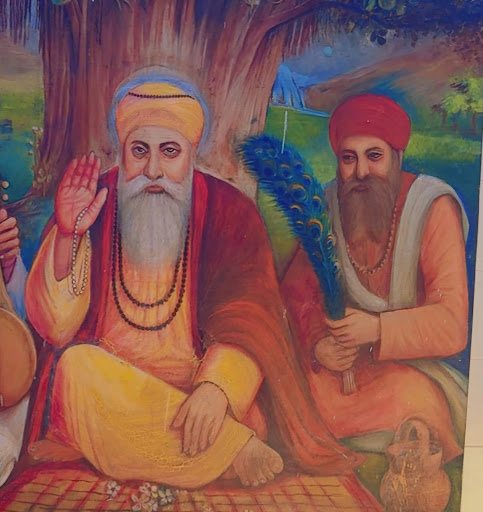
Gurdwara Janam Asthan referred to birth place of Guru Nanak Dev Ji, the founder & first Guru of Sikhism, (15 April 1469 – 22 September 1539) was born in Rāi Bhoi Kī Talvaṇḍī, Present day NankanaSahib, Punjab, Pakistan, approx 75 kilometres from Lahore. Sikhs around the world celebrate Guru Nanak Dev Ji’s birth on the Pooranmashi (full moon) day in the Lunar month of Katak (October-November).

Quote: "Even Kings & Emperors with Heaps of Wealth & Vast Dominion cannot compare with an Ant filled with the love of God".

Facts

From an early age, it was evident that Nanak was an extraordinary child, distinguished by his divine grace. Growing up, he refused to take part in traditional religious rituals, & often spoke out against several societal practices.

He meditated & sang hymns accompanied by Bhai Mardana on the rabab (a stringed instrument). During one of those early mornings while bathing in “Vain Nadi” (a small river), Guru Nanak heard God‘s call to dedicate himself completely to the service of humanity. He then began the next stage of his life, to preach his unique doctrine (Sikhi) to the entire world.

For the next 30 years, accompanied by Bhai Mardana, Guru Nanak undertook four major spiritual journeys, running across India, South Asia, Tibet & Arabia, covering about 30,000 kilometers.

In the later years, Guru ji settled down at the township of Kartarpur ("creator's town"), on the banks of river Ravi in Punjab. He donned the robes of a peasant, earning his own honest living by cultivating the lands. Followers came from near and far to listen to the Master.

He introduced the institution of Langar (free communal kitchen) at Kartarpur, establishing the basic equality of all people regardless of their social and economic status.

In the year 1539, Guru Ji, after having tested his own two sons & some followers, installed Bhai Lehna ji (Guru Angad Dev Ji) as the Second Nanak, & after a few days passed into Sach khand.

Guru Nanak's writings, in the form of 974 spiritual hymns comprising the Japji Sahib, Asa di Var, Bara Mah, Sidh Gosht & Dakhni Onkar were incorporated in the scripture "Guru Granth Sahib" by the fifth Guru...

   Read more
Page 1 of 7
Previous
Next

Posts

KaabKaab
The township was founded by Rai Bhoi, a rich landlord Rajput Muslim and thus was known as Rai-Bhoi-Di-Talwandi. His great-grand son Rai Bular Bhatti, renamed it as 'Nankana Sahib' after the birth of Guru Nanak.[citation needed] The Gurdwara Nankana Sahib, originally constructed in around 1600 CE was renovated in 1819–20 CE by Gian-Punjab Maharaja Jassa Singh Ramgarhia The Sikh Conference of Panjab, Jammu and Kashmir, Peshawar, Kangra and Hazara.[citation needed] During the Akali movement, on 20 February 1921, Narain Das, the Udasi mahant (clergy) of the gurdwara at Nankana Sahib, ordered his men to fire on Akali protesters, leading to the Nankana massacre. The firing was widely condemned, and an agitation was launched until the control of this historic Janam Asthan Gurdwara was restored to the Sikhs. Again in the 1930s and 40's the Sikhs added more buildings and more architectural design. Migration between India and Pakistan was continuous before independence. By the 1940s Western Punjab was predominantly Muslim and supported the Muslim League and Pakistan Movement. After independence in August 1947, the minority Sikhs and Hindus migrated to India while the Muslim refugees from India settled in the Western Punjab and across Pakistan. Nankana Sahib and it surroundings were formerly a tehsil of Sheikhupura District. In May 2005, the provincial government raised the status of Nankana Sahib to a district[8] as a way of promoting development in the area. The present status is District Nankana Sahib has three tehsils: Nankana Sahib, Shah Kot, and Sangla Hill. Before December 2008, District Nankana Sahib also included Safdarabad Tehsil. There are plans to construct a 100 acres (40 ha) university as well as hospitals and health care facilities by the district government with mutual interest of local communities and family of Rai Bular. In 2007, the Pakistan government announced a plan to set up a university on Sikh religion and culture at Nankana Sahib, the birthplace of Guru Nanak. Chairman of Pakistan's Evacuee Trust Property Board (ETPB), Gen (R) Zulfikar Ali Khan, said that "The international Guru Nanak University planned at Nankana Sahib would have the best architecture, curricula and research centre on Sikh religion and culture",
Your browser does not support the video tag.
Adv Jeevan Jot SethiAdv Jeevan Jot Sethi
ਨਨਕਾਣਾ ਸਾਹਿਬ ਦਾ ਇਹ ਗੁਰਦੁਆਰਾ ਉਹ ਇਤਿਹਾਸਕ ਸਥਾਨ ਹੈ, ਜਿੱਥੇ ਧਰਮ ਦੇ ਬਾਨੀ ਗੁਰੂ ਨਾਨਕ ਸਾਹਿਬ ਦਾ ਜਨਮ ਹੋਇਆ ਸੀ। ਏਸੇ ਕਰਕੇ ਇਸ ਗੁਰਦੁਆਰੇ ਨੂੰ `ਗੁਰਦੁਆਰਾ ਜਨਮ ਅਸਥਾਨ` ਕਰਕੇ ਜਾਣਿਆਂ ਜਾਂਦਾ ਹੈ।[1]ਗੁਰਮਤਿ ਦੇ ਮਹਾਨ ਆਦਰਸ਼ ਨੂੰ ਦਿੜੵ ਕਰਵਾਉਣ ਲਈ ਗੁਰੂ ਸਾਹਿਬ ਨੂੰ ਆਪ ਵੀ ਬੇਮਿਸਾਲ ਕੁਰਬਾਨੀ ਆ ਦੇਣੀਆਂ ਪਈਆਂ ਹਨ। ਪੰਜਵੇਂ ਪਾਤਸ਼ਾਹ ਜੀ ਨੇ ਬੇਮਿਸਾਲ ਸਹੀਦੀ ਦਿੱਤੀ ਤੇ ਅਸਹਿ ਤਸੀਹੇ ਦੇ ਕੇ ਸਹੀਦ ਕੀਤਾ ਗਿਆ।
Shahzaib Damn CruzeShahzaib Damn Cruze
Gurdwara Janam Asthan referred to birth place of Guru Nanak Dev Ji, the founder & first Guru of Sikhism, (15 April 1469 – 22 September 1539) was born in Rāi Bhoi Kī Talvaṇḍī, Present day NankanaSahib, Punjab, Pakistan, approx 75 kilometres from Lahore. Sikhs around the world celebrate Guru Nanak Dev Ji’s birth on the Pooranmashi (full moon) day in the Lunar month of Katak (October-November). Quote: "Even Kings & Emperors with Heaps of Wealth & Vast Dominion cannot compare with an Ant filled with the love of God". Facts 1. From an early age, it was evident that Nanak was an extraordinary child, distinguished by his divine grace. Growing up, he refused to take part in traditional religious rituals, & often spoke out against several societal practices. 2. He meditated & sang hymns accompanied by Bhai Mardana on the rabab (a stringed instrument). During one of those early mornings while bathing in “Vain Nadi” (a small river), Guru Nanak heard God‘s call to dedicate himself completely to the service of humanity. He then began the next stage of his life, to preach his unique doctrine (Sikhi) to the entire world. 3. For the next 30 years, accompanied by Bhai Mardana, Guru Nanak undertook four major spiritual journeys, running across India, South Asia, Tibet & Arabia, covering about 30,000 kilometers. 4. In the later years, Guru ji settled down at the township of Kartarpur ("creator's town"), on the banks of river Ravi in Punjab. He donned the robes of a peasant, earning his own honest living by cultivating the lands. Followers came from near and far to listen to the Master. 5. He introduced the institution of Langar (free communal kitchen) at Kartarpur, establishing the basic equality of all people regardless of their social and economic status. 6. In the year 1539, Guru Ji, after having tested his own two sons & some followers, installed Bhai Lehna ji (Guru Angad Dev Ji) as the Second Nanak, & after a few days passed into Sach khand. 7. Guru Nanak's writings, in the form of 974 spiritual hymns comprising the Japji Sahib, Asa di Var, Bara Mah, Sidh Gosht & Dakhni Onkar were incorporated in the scripture "Guru Granth Sahib" by the fifth Guru Arjan Dev ji.
See more posts
See more posts
hotel
Find your stay

Pet-friendly Hotels in Nankana Sahib Tehsil

Find a cozy hotel nearby and make it a full experience.

The township was founded by Rai Bhoi, a rich landlord Rajput Muslim and thus was known as Rai-Bhoi-Di-Talwandi. His great-grand son Rai Bular Bhatti, renamed it as 'Nankana Sahib' after the birth of Guru Nanak.[citation needed] The Gurdwara Nankana Sahib, originally constructed in around 1600 CE was renovated in 1819–20 CE by Gian-Punjab Maharaja Jassa Singh Ramgarhia The Sikh Conference of Panjab, Jammu and Kashmir, Peshawar, Kangra and Hazara.[citation needed] During the Akali movement, on 20 February 1921, Narain Das, the Udasi mahant (clergy) of the gurdwara at Nankana Sahib, ordered his men to fire on Akali protesters, leading to the Nankana massacre. The firing was widely condemned, and an agitation was launched until the control of this historic Janam Asthan Gurdwara was restored to the Sikhs. Again in the 1930s and 40's the Sikhs added more buildings and more architectural design. Migration between India and Pakistan was continuous before independence. By the 1940s Western Punjab was predominantly Muslim and supported the Muslim League and Pakistan Movement. After independence in August 1947, the minority Sikhs and Hindus migrated to India while the Muslim refugees from India settled in the Western Punjab and across Pakistan. Nankana Sahib and it surroundings were formerly a tehsil of Sheikhupura District. In May 2005, the provincial government raised the status of Nankana Sahib to a district[8] as a way of promoting development in the area. The present status is District Nankana Sahib has three tehsils: Nankana Sahib, Shah Kot, and Sangla Hill. Before December 2008, District Nankana Sahib also included Safdarabad Tehsil. There are plans to construct a 100 acres (40 ha) university as well as hospitals and health care facilities by the district government with mutual interest of local communities and family of Rai Bular. In 2007, the Pakistan government announced a plan to set up a university on Sikh religion and culture at Nankana Sahib, the birthplace of Guru Nanak. Chairman of Pakistan's Evacuee Trust Property Board (ETPB), Gen (R) Zulfikar Ali Khan, said that "The international Guru Nanak University planned at Nankana Sahib would have the best architecture, curricula and research centre on Sikh religion and culture",
Kaab

Kaab

hotel
Find your stay

Affordable Hotels in Nankana Sahib Tehsil

Find a cozy hotel nearby and make it a full experience.

Get the Appoverlay
Get the AppOne tap to find yournext favorite spots!
ਨਨਕਾਣਾ ਸਾਹਿਬ ਦਾ ਇਹ ਗੁਰਦੁਆਰਾ ਉਹ ਇਤਿਹਾਸਕ ਸਥਾਨ ਹੈ, ਜਿੱਥੇ ਧਰਮ ਦੇ ਬਾਨੀ ਗੁਰੂ ਨਾਨਕ ਸਾਹਿਬ ਦਾ ਜਨਮ ਹੋਇਆ ਸੀ। ਏਸੇ ਕਰਕੇ ਇਸ ਗੁਰਦੁਆਰੇ ਨੂੰ `ਗੁਰਦੁਆਰਾ ਜਨਮ ਅਸਥਾਨ` ਕਰਕੇ ਜਾਣਿਆਂ ਜਾਂਦਾ ਹੈ।[1]ਗੁਰਮਤਿ ਦੇ ਮਹਾਨ ਆਦਰਸ਼ ਨੂੰ ਦਿੜੵ ਕਰਵਾਉਣ ਲਈ ਗੁਰੂ ਸਾਹਿਬ ਨੂੰ ਆਪ ਵੀ ਬੇਮਿਸਾਲ ਕੁਰਬਾਨੀ ਆ ਦੇਣੀਆਂ ਪਈਆਂ ਹਨ। ਪੰਜਵੇਂ ਪਾਤਸ਼ਾਹ ਜੀ ਨੇ ਬੇਮਿਸਾਲ ਸਹੀਦੀ ਦਿੱਤੀ ਤੇ ਅਸਹਿ ਤਸੀਹੇ ਦੇ ਕੇ ਸਹੀਦ ਕੀਤਾ ਗਿਆ।
Adv Jeevan Jot Sethi

Adv Jeevan Jot Sethi

hotel
Find your stay

The Coolest Hotels You Haven't Heard Of (Yet)

Find a cozy hotel nearby and make it a full experience.

hotel
Find your stay

Trending Stays Worth the Hype in Nankana Sahib Tehsil

Find a cozy hotel nearby and make it a full experience.

Gurdwara Janam Asthan referred to birth place of Guru Nanak Dev Ji, the founder & first Guru of Sikhism, (15 April 1469 – 22 September 1539) was born in Rāi Bhoi Kī Talvaṇḍī, Present day NankanaSahib, Punjab, Pakistan, approx 75 kilometres from Lahore. Sikhs around the world celebrate Guru Nanak Dev Ji’s birth on the Pooranmashi (full moon) day in the Lunar month of Katak (October-November). Quote: "Even Kings & Emperors with Heaps of Wealth & Vast Dominion cannot compare with an Ant filled with the love of God". Facts 1. From an early age, it was evident that Nanak was an extraordinary child, distinguished by his divine grace. Growing up, he refused to take part in traditional religious rituals, & often spoke out against several societal practices. 2. He meditated & sang hymns accompanied by Bhai Mardana on the rabab (a stringed instrument). During one of those early mornings while bathing in “Vain Nadi” (a small river), Guru Nanak heard God‘s call to dedicate himself completely to the service of humanity. He then began the next stage of his life, to preach his unique doctrine (Sikhi) to the entire world. 3. For the next 30 years, accompanied by Bhai Mardana, Guru Nanak undertook four major spiritual journeys, running across India, South Asia, Tibet & Arabia, covering about 30,000 kilometers. 4. In the later years, Guru ji settled down at the township of Kartarpur ("creator's town"), on the banks of river Ravi in Punjab. He donned the robes of a peasant, earning his own honest living by cultivating the lands. Followers came from near and far to listen to the Master. 5. He introduced the institution of Langar (free communal kitchen) at Kartarpur, establishing the basic equality of all people regardless of their social and economic status. 6. In the year 1539, Guru Ji, after having tested his own two sons & some followers, installed Bhai Lehna ji (Guru Angad Dev Ji) as the Second Nanak, & after a few days passed into Sach khand. 7. Guru Nanak's writings, in the form of 974 spiritual hymns comprising the Japji Sahib, Asa di Var, Bara Mah, Sidh Gosht & Dakhni Onkar were incorporated in the scripture "Guru Granth Sahib" by the fifth Guru Arjan Dev ji.
Shahzaib Damn Cruze

Shahzaib Damn Cruze

See more posts
See more posts