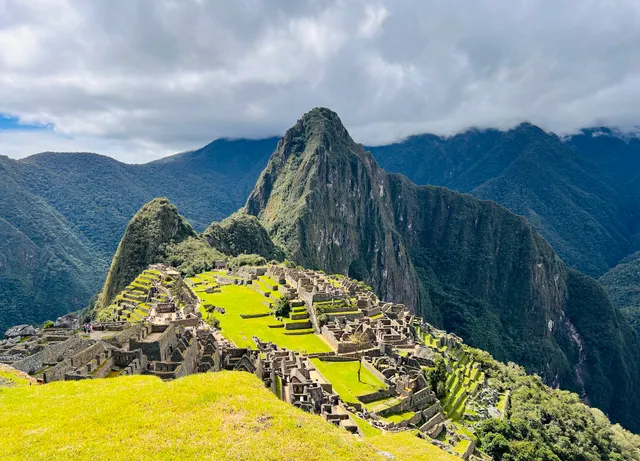
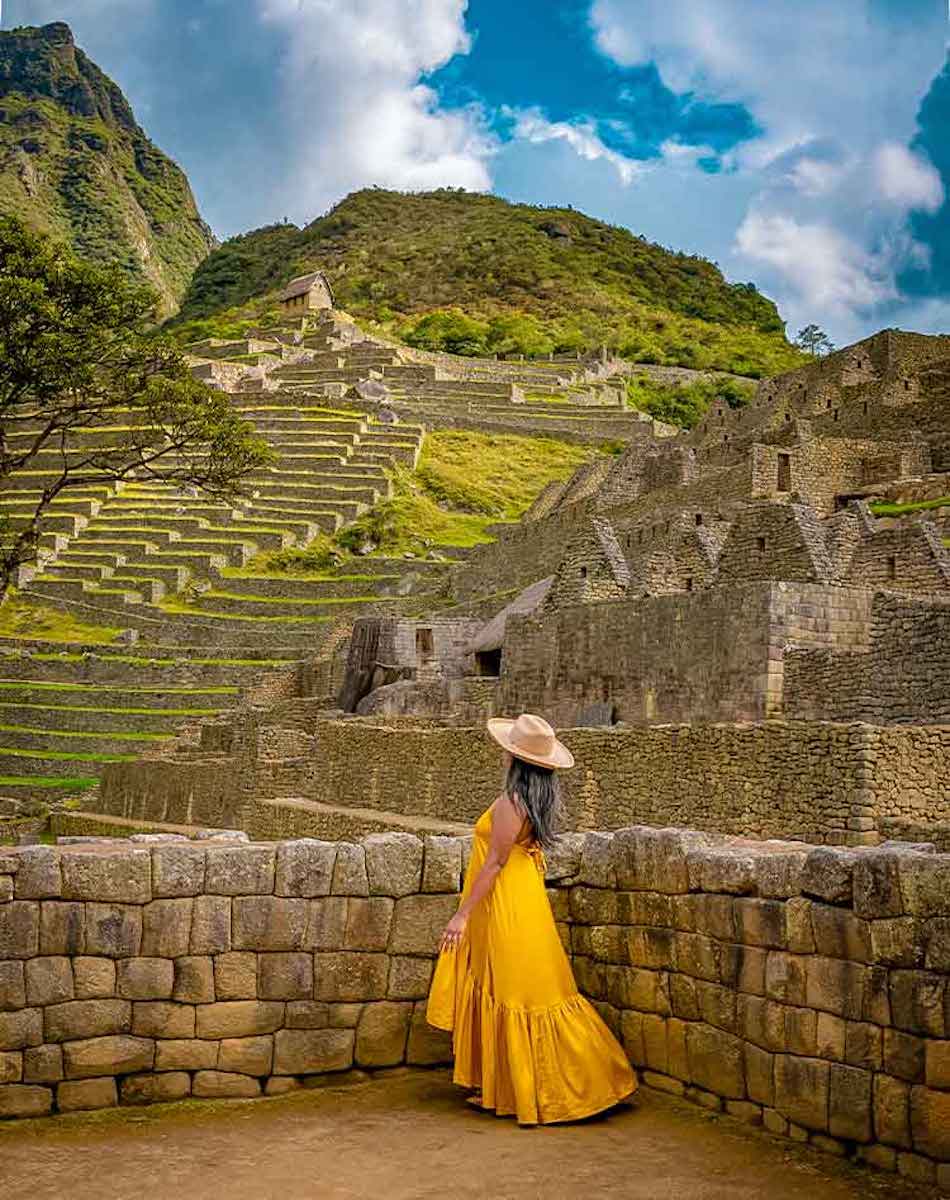
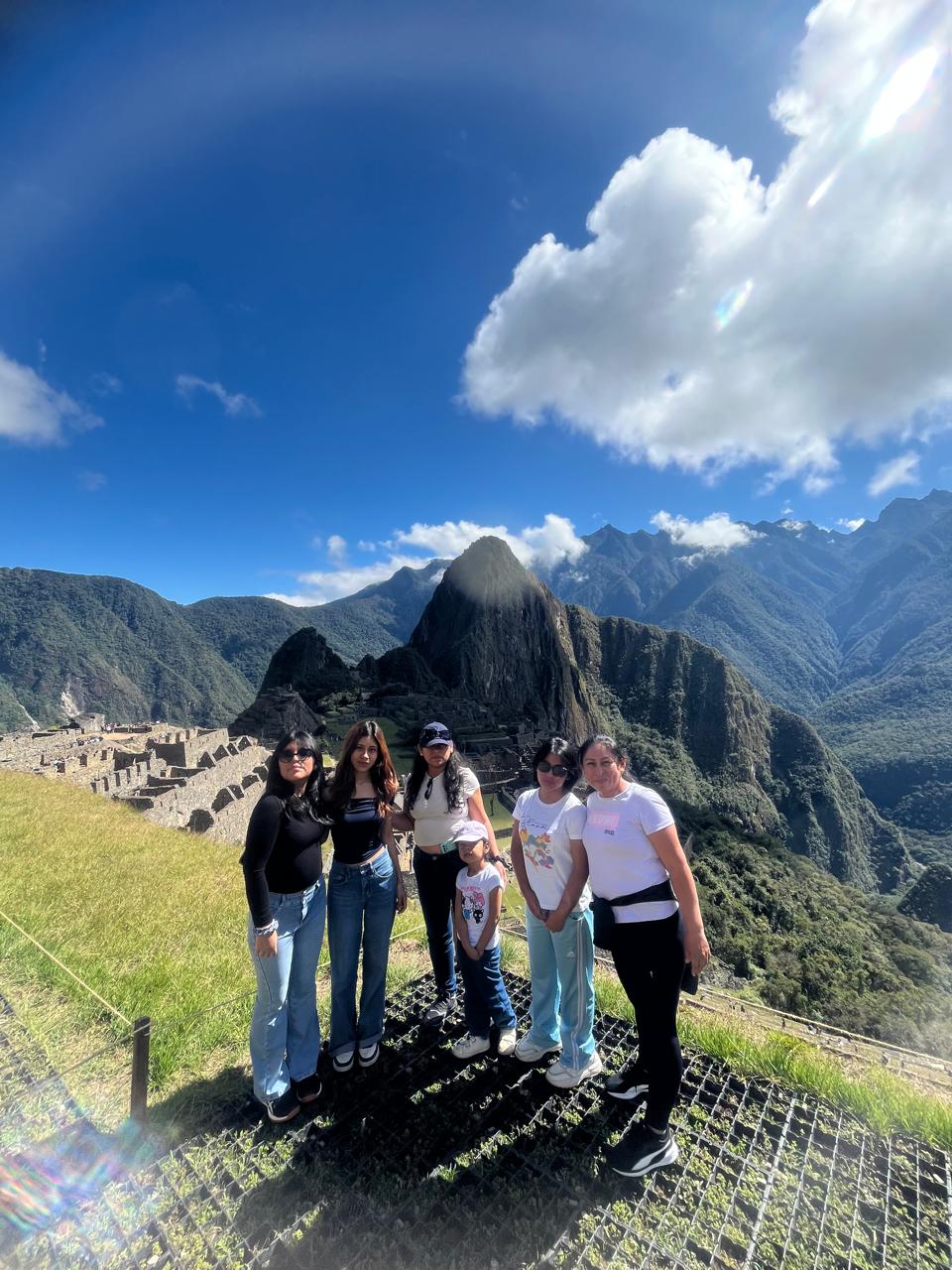
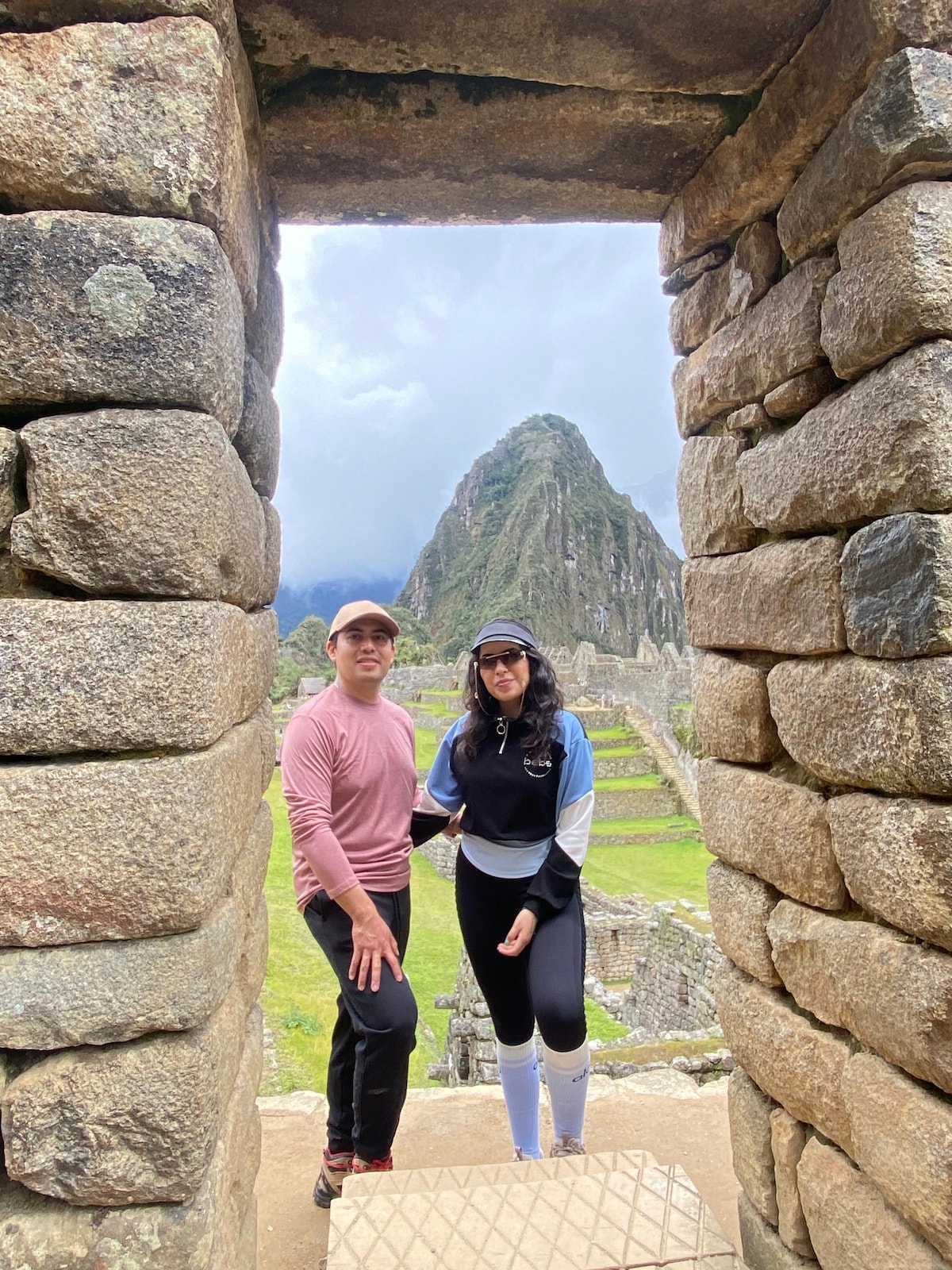
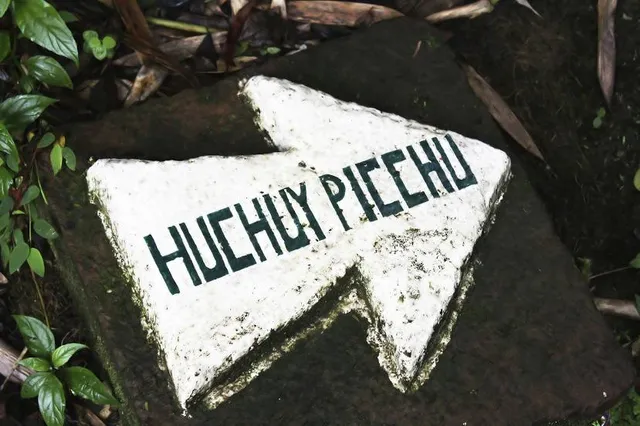
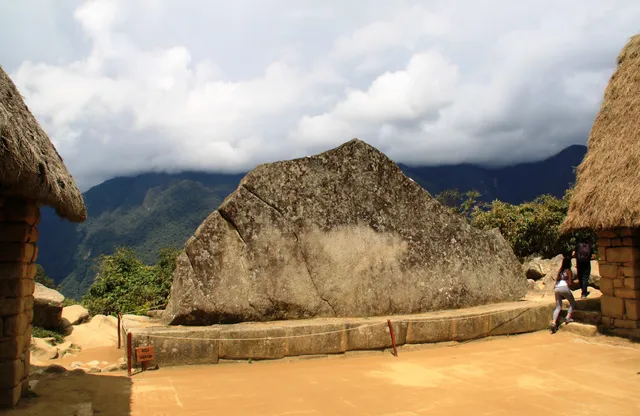
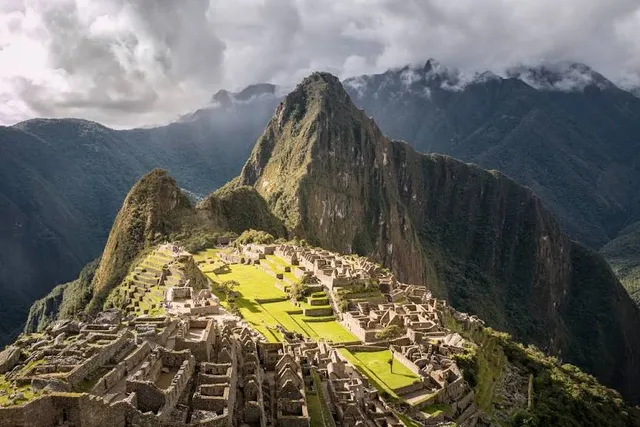
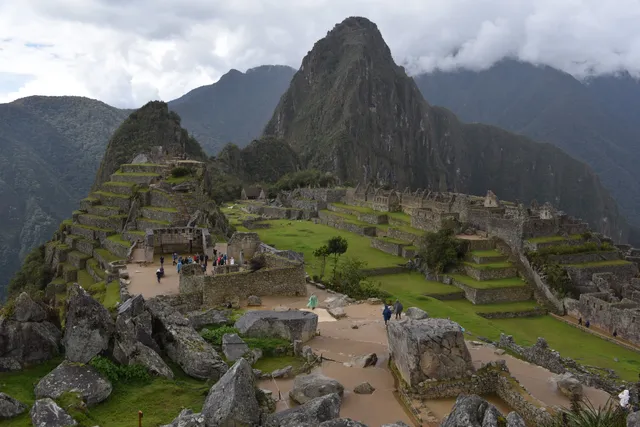
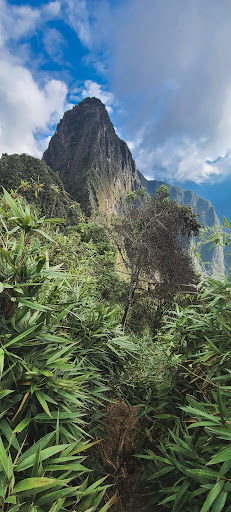
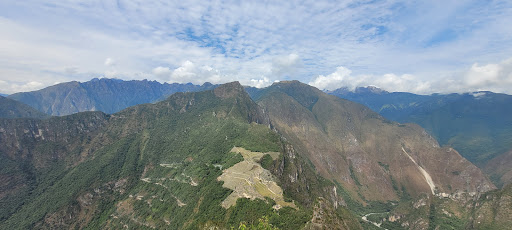
This is a review specifically for Huayna Picchu (also known as Wayna Pichhu) done in late August at the 7 am slot (toward end of peak season). Is it as dangerous as social media claims it to be? No. Is it worth it? Absolutely. Should you do it? If you are reasonably fit, acclimated and hydrated - yes. Think of it like climbing stairs for 1 hour. Is altitude a problem? Not if you have been in Cusco for at least 2 days and stayed in Aguas Calientes the night before. When should you do it? When it's dry and the early morning slot (7 am). At 11 am, it will get too warm and make it much more tiring, and the lighting will be harsh (for photography). Navigating the tourists & guides, and taking photos along the way, it took us 40-45 mins from the main entrance of Machu Picchu to the checkpost of Huayna Picchu. From there, the ascent to the top takes 50-60 mins at a moderate pace to 75 mins with frequent stops. Expect to spend around 20-30 mins at the top because it's a conjested area with footing that requires concentration + waiting for your turn to take photos. The descent takes ~45 mins. If you intend to explore the cavern and temple along the way, it will take longer. A bottle of water with a light snack (energy or protein bar, bananas) should be fine. You validate your ticket with your passport + sign a register at the checkpost. The initial section is a descent to the base of the mountain. From there, begins an hour long "Stairmaster" workout. Gradual pace is key. Take breaks as you need them . There are guard rails/ropes along the way for assistance. The final section - the infamous "Staircase of Death" is not "deadly". Just do what you will have been doing along the way and take it slow. By the way, you only take these stairs on the way up; separate route for the descent for this section. If you want to take photos here, take them on your way up. At the top, there is a natural "chair" rock formation where most people take their photos. For the best angle, the person taking the picture will need to climb the boulder facing it. Again, it's one way traffic so take your photos before you start the descent. It can get quite crowded there so be patient and even more careful with your footing. In the initial part of the descent, there is a tight rock squeeze requiring sideways maneuvering and crouching. You will be tempted to rush down after getting the high from the view and the eagerness to get down quickly...but, for the sake of your knees, I'd advise to just hold back a touch. Finally, you sign off on the register and take a different route back to the main entrance. If you have tickets for Route 2 or 1, you may be able to access them without having to leave the complex. We went down to Aguas Calientes for lunch and returned for the 3pm entry to Route 2 on the same day. Additional tips: book this at least 3 months in advance. Take the 7 am slot but line up at the bus station in Aguas Calientes at least an hour early. It took us around 2 hrs from joining the bus queue to the checkpost of Huayna Picchu. It will be chilly till you start hiking. You start warming up fast. Pack as light as you can. Be mindful of bugs at the top. Restrooms located at main entrance (2 soles) along with luggage storage (5 soles). Carry your physical passport with you at all times as it's required for ticket validation. Tickets' QR codes can be scanned...
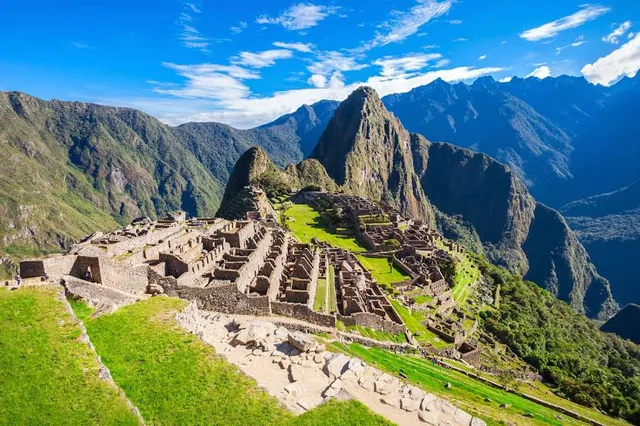
Read moreHuayna Picchu, Quechua: Wayna Pikchu, is a mountain in Peru around which the Urubamba River bends. It is located in the Cusco Region, Urubamba Province, Machupicchu District. It rises over Machu Picchu, the so-called Lost City of the Incas. The Incas built a trail up the side of the Huayna Picchu and constructed temples and terraces at its top. The peak of Huayna Picchu is 2,693 metres (8,835 ft) above sea level, or about 260 metres (850 ft) higher than Machu Picchu.According to local guides, the top of the mountain was the residence for the high priest and the local virgins. Every morning before sunrise, the high priest with a small group would walk to Machu Picchu to signal the coming of the new day. The Temple of the Moon, one of the three major temples in the Machu Picchu area, is nestled on the side of the mountain and is situated at an elevation lower than Machu Picchu. Adjacent to the Temple of the Moon is the Great Cavern, another sacred temple with fine masonry. The other major local temples in Machu Picchu are the Temple of the Condor, Temple of Three Windows, Principal Temple, "Unfinished Temple", and the Temple of the Sun, also called the Torreon.
Its name is Hispanicized, possibly from the Quechua, alternative spelling Wayna Pikchu; wayna young, young man, pikchu pyramid, mountain or prominence with a broad base which ends in sharp peaks, "young peak". The current Quechua orthography used by the Ministerio de Cultura is Waynapicchu and Machupicchu.The second path leads to the back of the mountain and reaches one of the most notable underground construction complexes in the region. These are several caves, some of which have been lined (on a larger scale than the Mausoleum of Machu Picchu) with finely crafted blocks that have been cut to fit precisely with the irregular contours of the large rock outcrops that serve as their ceiling. The walls, clearly ornamental in nature, include false doorways and trapezoidal niches with double and triple jambs. Although their specific function is unknown, it is clear that they are elite constructions due to the effort required to build them. It is believed that they may have had funerary uses and that all the tombs were looted at some point in the region's history.
The name "Temple of the Moon" is arbitrary and lacks archaeological backing, although it has become popular among archaeologists and tour guides. It reveals, in any case, the common interest in comparing it in quality with other Inca buildings, such as the "Temple of the Sun" of...
Read moreFrom my Macchu Picchu review:
I was assigned the 7am Circuit 2 slot... Which is perfect! But lucked out because others in the group had much later slots (when is more crowded) and Circuit 1 (which is a really poor experience where you don't get to visit the main icons in the site), so would highly recommend to speak to your agent in advance to prebook early in the morning and circuit 2. To get there I would warn its a pretty steep hike that takes anywhere from 1.5 to 2 hours depending fitness level, you can book a bus (not included in tour price) but I personally recommend the hike, if you've come all the way, one last push really makes it feel worth it when you get to the top! Finally I highly recommend also buying an entry to Circuit 3 (Huayna Picchu), again this is not included and cost 200 Sol, but this gives you access to also hike up Huayna Picchu Mountain (right next to Macchu Picchu to get the most incredible view), this is a very steep hike and if you book the later session around 10am you can spend a few hours with the guide in Circuit 2 (then walk out the main entrance to experience all of Circuit (you can use your Circuit 3 pass to cut halfway through Circuit 2 to the Huayna Picchu entry, but it's better to start again so you have experienced all Circuit 2, all Circuit 3 and Huayna Picchu). After this I visited the museum at the bottom and went back...
Read more