HTML SitemapExplore

The Citadel of Halmyris — Local services in Murighiol

Name
The Citadel of Halmyris
Description
Nearby attractions
Nearby restaurants
Nearby local services
Nearby hotels
Related posts
Keywords
The Citadel of Halmyris tourism.The Citadel of Halmyris hotels.The Citadel of Halmyris bed and breakfast. flights to The Citadel of Halmyris.The Citadel of Halmyris attractions.The Citadel of Halmyris restaurants.The Citadel of Halmyris local services.The Citadel of Halmyris travel.The Citadel of Halmyris travel guide.The Citadel of Halmyris travel blog.The Citadel of Halmyris pictures.The Citadel of Halmyris photos.The Citadel of Halmyris travel tips.The Citadel of Halmyris maps.The Citadel of Halmyris things to do.
The Citadel of Halmyris things to do, attractions, restaurants, events info and trip planning
The Citadel of Halmyris
RomaniaTulceaMurighiolThe Citadel of Halmyris

Basic Info

The Citadel of Halmyris

DJ229L, Romania
4.3(387)
Closed
Save
spot

Ratings & Description

Info

Cultural
Outdoor
Scenic
Off the beaten path
attractions: , restaurants: , local businesses:
logoLearn more insights from Wanderboat AI.
Website
danubedelta.org
Open hoursSee all hours
Thu10 AM - 6 PMClosed

Plan your stay

hotel
Pet-friendly Hotels in Murighiol
Find a cozy hotel nearby and make it a full experience.
hotel
Affordable Hotels in Murighiol
Find a cozy hotel nearby and make it a full experience.
hotel
The Coolest Hotels You Haven't Heard Of (Yet)
Find a cozy hotel nearby and make it a full experience.
hotel
Trending Stays Worth the Hype in Murighiol
Find a cozy hotel nearby and make it a full experience.

Reviews

Get the Appoverlay
Get the AppOne tap to find yournext favorite spots!
Wanderboat LogoWanderboat

Your everyday Al companion for getaway ideas

CompanyAbout Us
InformationAI Trip PlannerSitemap
SocialXInstagramTiktokLinkedin
LegalTerms of ServicePrivacy Policy

Get the app

© 2025 Wanderboat. All rights reserved.

Reviews of The Citadel of Halmyris

4.3
(387)
avatar
4.0
6y

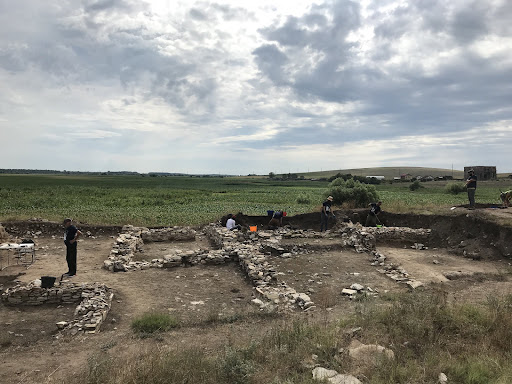
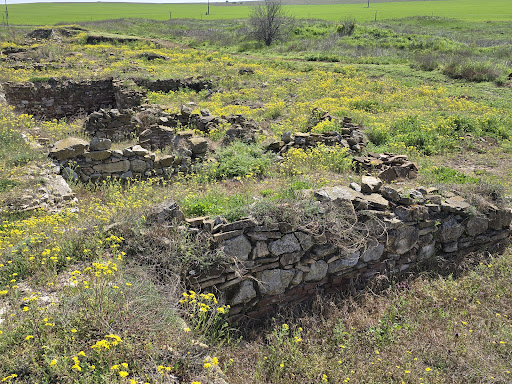
Unless you're a die hard archaeologist, no need to go out of your way to visit here. But if you're staying in Murighiol or taking a cruise on the Danube, then a stop is definitely worth the time. The museum is a little one room affair with some interesting things in it. What is worth the visit is to wander out on the site of the fort itself. Step into the ramshackle covering over the basilica, except be careful crossing the shaky plank...one at a time. The baths are worth a stop as well. But more than that just wander over the site (please try not to walk on the walls) looking out over the sunflowers and the wheat and allow yourself to go back in time to when this was a prosperous city/fort with the waters of the Danube swirling right down at the foot of the hill. If you're there in the summer, say hi to the volunteers who are excavating. They love to chat...gives them a break from carrying buckets of dirt and stone. Ask them if they've found any AFR recently. Oh, and if the caretaker is on site, make sure you say hi to his dog: Tor....

   Read more
avatar
4.0
9y

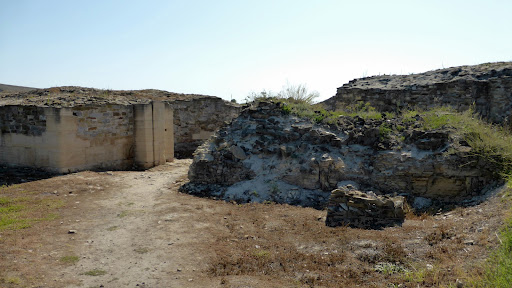
Seen from the road Murighiol Dunavatul it seems only a low hill alongside road. The surprise comes when you see it from the new museum building. First the partialy rebuild West gate. Enter, rise and see the escavated part (I guess some 20%). Dozens of walls, soldiers quarters, the commander's house, towers, gates. And 2 structures to protect the underlying ruines, one above the church with the crypt, one above the bathes. The gardian lady gave a detailed introduction, standing in the Cetatea, and then off you go on your own and spend an hour or so to get a good impressioni of the spot where some 500 soldiers lived. Hidden lies much of the stronghold and the vicus once existed (when the 2 martyrs were beheaded in 290 dc 3000 people were present) but there is no sign of it nowadays. 5 Lei ticket,...

   Read more
avatar
5.0
7y

Cetatea romană de la Halmyris se găsește pe teritoriul actualei localități Murighiol, județul Tulcea, la 2 km SE de sat și 200 m N de șoseaua Murighiol - Dunavățul de Sus, 1,5 km sud de brațul Sfântul Gheorghe. A fost înscrisă sub codul RAN 159623.01 în Repertoriul Arheologic Național.

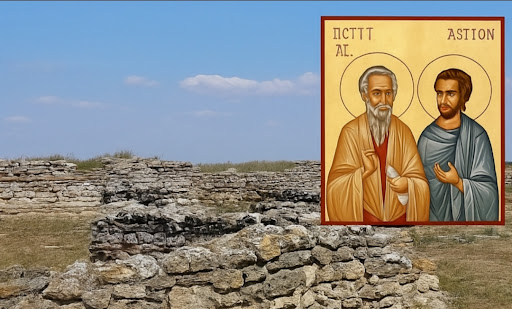
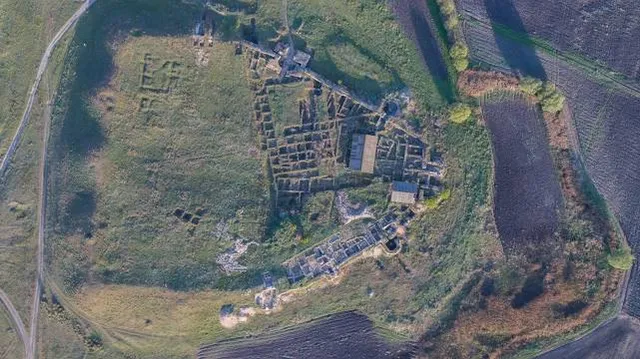
Începând cu secolul al II-lea se pare că cea mai importantă bază a flotei romane moesice a fost la Noviodunum, mulți foști marinari ai flotei întemeind lângă Halmyris chiar un sat al marinarilor, vicus classicorum, după cum apare pe o inscripție.[2] Există dovezi arheologice ale existenței umane în această zonă din perioada preromană, în apropierea cetății romane fiind identificată și cercetată o necropolă getică. Cercetările arheologice de amploare au început în 1981, continuînd și astăzi. Cetatea are o formă trapezoidală cu latura mică spre nord. În sistemul defensiv sunt incluse 15 turnuri și valul de apărare. Lângă cetate se găsește așezarea civilă de epocă romană, atestată printr-o inscripție (unicat în Imperiul Roman) care menționează "satul mariarilor", aparținători flotei dunărene Classis Flavia Moesica. Tot la Halmyris, în cripta basilicii, au fost descoperite moaștele celor mai vechi martiri creștini atestați în Dobrogea, Epictet și Astion. Cetatea a continuat sa funcționeze până la începutul secolului al VII-lea d.Hr.

Cercetările arheologice sunt efectuate de un colectiv condus de Mihail Zahariade (Institutul de Tracologie București). Florin Topoleanu (ICEM Tulcea), Cristian Olariu (FIB), Alexandru Madgearu și Myrna Phelps sunt membri ai colectivului de cercetare. Cetatea Halmyris a fost inclusă în Legea nr.5 din 6 martie 2000 privind aprobarea Planului de amenajare a teritoriului național în Secțiunea a III-a - zone protejate, la puntul g) Castre și așezările civile aferente; fortificații...

   Read more

Page 1 of 7
Previous
Next

Posts

Gregor McHardyGregor McHardy
Unless you're a die hard archaeologist, no need to go out of your way to visit here. But if you're staying in Murighiol or taking a cruise on the Danube, then a stop is definitely worth the time. The museum is a little one room affair with some interesting things in it. What is worth the visit is to wander out on the site of the fort itself. Step into the ramshackle covering over the basilica, except be careful crossing the shaky plank...one at a time. The baths are worth a stop as well. But more than that just wander over the site (please try not to walk on the walls) looking out over the sunflowers and the wheat and allow yourself to go back in time to when this was a prosperous city/fort with the waters of the Danube swirling right down at the foot of the hill. If you're there in the summer, say hi to the volunteers who are excavating. They love to chat...gives them a break from carrying buckets of dirt and stone. Ask them if they've found any AFR recently. Oh, and if the caretaker is on site, make sure you say hi to his dog: Tor. He's a GOOD boy.
Andrei MitranaAndrei Mitrana
Cetatea Halmyris (Murighiol, Tulcea) e un sit arheologic de excepție, cu o istorie neîntreruptă de peste 1.100 de ani (sec. IV î.Hr. – VII d.Hr.), de la așezare geto-dacică la fortăreață romană și centru creștin timpuriu. Caracteristici cheie: Arhitectură militară: Formă trapezoidală/scut alungit, 15 turnuri (6 semirotunde pentru depozitare), 3 valuri de apărare și două porți principale (nord – orientată spre Dunăre, vest – legată de drumul roman limes). Port strategic: Amplasată între două lacuri sărate (acum secate), avea zona portuară ce deservea flota Classis Flavia Moesica – singurul sit din Imperiu cu inscripție atestând „satul corabierilor”. Descoperiri unice: Bazilica episcopală (sec. IV) cu cripta martirilor Epictet și Astion – primele moaște creștine atestate în Dobrogea. Terme romane cu sistem hipocaust: caldarium, tepidarium, frigidarium și saună, folosite exclusiv de militari. Pietre funerare repurpozate în ziduri, inclusiv unele cu inscripții păgâne. Evoluție istorică: Perioada getică (sec. IV–I î.Hr.): Așezare cu rol comercial la vărsarea Dunării în Marea Neagră. Epoca romană (sec. I–III d.Hr.): Castru militar cu funcție de frontieră (limes), sediu al flotei dunărene. Faza bizantină (sec. IV–VII d.Hr.): Cetate-refugiu cu biserici fortificate, abandonată după invazia avară. Particularități arheologice: 15 niveluri de locuire identificate stratigrafic, cu ceramică de la Hallstatt la bizantin. Turnul 2 funcționa ca punct vamal, iar poarta de nord avea acces direct la zona portuară extinsă. Domus-uri (clădiri de locuit) și clădirea comandamentului cu structură monumentală. Importanță: Punct cheie în sistemul defensiv roman din Dobrogea, cu rol în comerțul pe Dunăre și răspândirea creștinismului timpuriu.
Lucian IonescuLucian Ionescu
Cetatea Halmyris a fost construită de Imperiul Roman și de cel Romano-Bizantin în perioada secolelor II - VII, într-un punct strategic situat la est de actualul Murighiol, dar în care în acele vremuri se afla vărsarea Dunării în Marea Neagră. Cetatea, ipozantă prin dimensiuni și complexă prin varietatea edificiilor a fost sediul unor importante unități militare romane, precum și a flotei dunărene Classis Flavia Moesica a căror veterani, probabil după lăsarea la vatră, au înființat lângă cetate Vicus Classicorum "satul marinarilor", unic în istorigrafia romană. Cetatea cunoaște apogeul în secolul IV când ocupa o suprafață de 2 hectare, avea 15 turnuri, trei porți din care cea de vest era punctul estic, terminus, al drumului imperial al limesului de pe malul drept al Dănării și trei valuri de apărare. Lucrările de cercetare arheologică au debutat din anul 1981 și așa cum se vede pe teren, au acoperit până în prezent numai partea nordică (spre Dunăre). Halmyris are o strălucire aparte prin Basilica episcopală construită de la început ca edificiu creștin în timpul domniei Sfântului împărat Constantin cel Mare, 306-337, susținător al Creștinismului. Rolul acestei biserici a fost să adăpostească osemintele sfinților Epictet și Astion, martirizați tot aici la Halmyris în anul 290 în timpul domniei, 284-305, împăratului Dioclețian, perioadă de maximă persecuție a creștinilor. Senzațional este că rămășițele acestor sfinți martiri creștini despre care se știa numai din vechile scrieri hagiografice au fost descoperite în anul 2001 într-o criptă situată sub altarul bisericii. Epictet și Astion sunt cei mai vechi sfinți martiri cunoscuți pe teritoriul României. În vecinătatea cetății se vizitează micul muzeu cu exponate arheologice.
See more posts
See more posts
hotel
Find your stay

Pet-friendly Hotels in Murighiol

Find a cozy hotel nearby and make it a full experience.

Unless you're a die hard archaeologist, no need to go out of your way to visit here. But if you're staying in Murighiol or taking a cruise on the Danube, then a stop is definitely worth the time. The museum is a little one room affair with some interesting things in it. What is worth the visit is to wander out on the site of the fort itself. Step into the ramshackle covering over the basilica, except be careful crossing the shaky plank...one at a time. The baths are worth a stop as well. But more than that just wander over the site (please try not to walk on the walls) looking out over the sunflowers and the wheat and allow yourself to go back in time to when this was a prosperous city/fort with the waters of the Danube swirling right down at the foot of the hill. If you're there in the summer, say hi to the volunteers who are excavating. They love to chat...gives them a break from carrying buckets of dirt and stone. Ask them if they've found any AFR recently. Oh, and if the caretaker is on site, make sure you say hi to his dog: Tor. He's a GOOD boy.
Gregor McHardy

Gregor McHardy

hotel
Find your stay

Affordable Hotels in Murighiol

Find a cozy hotel nearby and make it a full experience.

Get the Appoverlay
Get the AppOne tap to find yournext favorite spots!
Cetatea Halmyris (Murighiol, Tulcea) e un sit arheologic de excepție, cu o istorie neîntreruptă de peste 1.100 de ani (sec. IV î.Hr. – VII d.Hr.), de la așezare geto-dacică la fortăreață romană și centru creștin timpuriu. Caracteristici cheie: Arhitectură militară: Formă trapezoidală/scut alungit, 15 turnuri (6 semirotunde pentru depozitare), 3 valuri de apărare și două porți principale (nord – orientată spre Dunăre, vest – legată de drumul roman limes). Port strategic: Amplasată între două lacuri sărate (acum secate), avea zona portuară ce deservea flota Classis Flavia Moesica – singurul sit din Imperiu cu inscripție atestând „satul corabierilor”. Descoperiri unice: Bazilica episcopală (sec. IV) cu cripta martirilor Epictet și Astion – primele moaște creștine atestate în Dobrogea. Terme romane cu sistem hipocaust: caldarium, tepidarium, frigidarium și saună, folosite exclusiv de militari. Pietre funerare repurpozate în ziduri, inclusiv unele cu inscripții păgâne. Evoluție istorică: Perioada getică (sec. IV–I î.Hr.): Așezare cu rol comercial la vărsarea Dunării în Marea Neagră. Epoca romană (sec. I–III d.Hr.): Castru militar cu funcție de frontieră (limes), sediu al flotei dunărene. Faza bizantină (sec. IV–VII d.Hr.): Cetate-refugiu cu biserici fortificate, abandonată după invazia avară. Particularități arheologice: 15 niveluri de locuire identificate stratigrafic, cu ceramică de la Hallstatt la bizantin. Turnul 2 funcționa ca punct vamal, iar poarta de nord avea acces direct la zona portuară extinsă. Domus-uri (clădiri de locuit) și clădirea comandamentului cu structură monumentală. Importanță: Punct cheie în sistemul defensiv roman din Dobrogea, cu rol în comerțul pe Dunăre și răspândirea creștinismului timpuriu.
Andrei Mitrana

Andrei Mitrana

hotel
Find your stay

The Coolest Hotels You Haven't Heard Of (Yet)

Find a cozy hotel nearby and make it a full experience.

hotel
Find your stay

Trending Stays Worth the Hype in Murighiol

Find a cozy hotel nearby and make it a full experience.

Cetatea Halmyris a fost construită de Imperiul Roman și de cel Romano-Bizantin în perioada secolelor II - VII, într-un punct strategic situat la est de actualul Murighiol, dar în care în acele vremuri se afla vărsarea Dunării în Marea Neagră. Cetatea, ipozantă prin dimensiuni și complexă prin varietatea edificiilor a fost sediul unor importante unități militare romane, precum și a flotei dunărene Classis Flavia Moesica a căror veterani, probabil după lăsarea la vatră, au înființat lângă cetate Vicus Classicorum "satul marinarilor", unic în istorigrafia romană. Cetatea cunoaște apogeul în secolul IV când ocupa o suprafață de 2 hectare, avea 15 turnuri, trei porți din care cea de vest era punctul estic, terminus, al drumului imperial al limesului de pe malul drept al Dănării și trei valuri de apărare. Lucrările de cercetare arheologică au debutat din anul 1981 și așa cum se vede pe teren, au acoperit până în prezent numai partea nordică (spre Dunăre). Halmyris are o strălucire aparte prin Basilica episcopală construită de la început ca edificiu creștin în timpul domniei Sfântului împărat Constantin cel Mare, 306-337, susținător al Creștinismului. Rolul acestei biserici a fost să adăpostească osemintele sfinților Epictet și Astion, martirizați tot aici la Halmyris în anul 290 în timpul domniei, 284-305, împăratului Dioclețian, perioadă de maximă persecuție a creștinilor. Senzațional este că rămășițele acestor sfinți martiri creștini despre care se știa numai din vechile scrieri hagiografice au fost descoperite în anul 2001 într-o criptă situată sub altarul bisericii. Epictet și Astion sunt cei mai vechi sfinți martiri cunoscuți pe teritoriul României. În vecinătatea cetății se vizitează micul muzeu cu exponate arheologice.
Lucian Ionescu

Lucian Ionescu

See more posts
See more posts