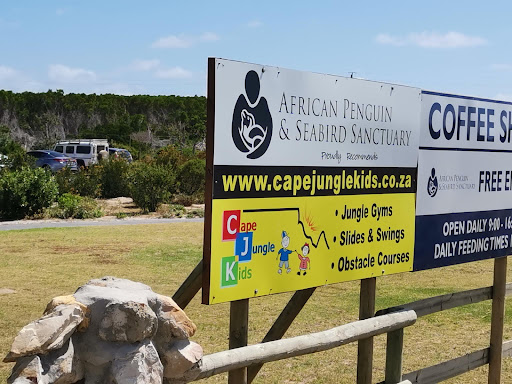
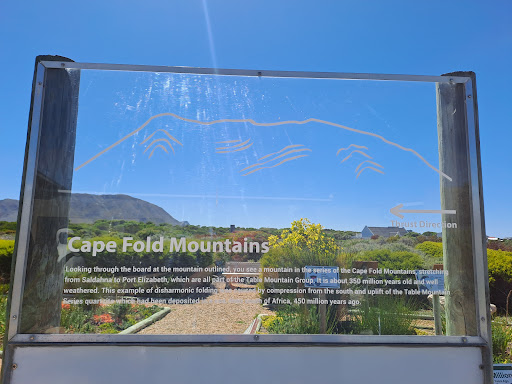
The African Penguin and Seabird Sanctuary (APSS) in Gansbaai, South Africa, is an exemplary institution that seamlessly blends scientific conservation with public education. Operated by the Dyer Island Conservation Trust, this state-of-the-art marine bird rehabilitation center, established in 2015, is dedicated to the rescue, rehabilitation, and release of endangered African penguins (Spheniscus demersus) and other seabirds. My visit to the sanctuary was both enlightening and inspiring, offering a profound look into the challenges facing these species and the rigorous efforts to mitigate their decline.
Scientific Excellence in Conservation
From a scientific perspective, the APSS is a model of applied conservation biology. The facility is purpose-built to address the critical needs of African penguins, whose populations have plummeted by nearly 90% over the past few decades, largely due to habitat disruption, overfishing, and oil spills. The sanctuary’s rehabilitation process is meticulous, featuring a fully equipped laboratory, quarantine and intensive care wards, and a pre-release conditioning pen to ensure birds are fit for release. Their work with African penguin chicks, particularly during the parental moulting period when chicks are at risk of starvation, underscores the sanctuary’s proactive approach to stabilizing populations. Each released bird is fitted with a transponder, enabling long-term monitoring and contributing valuable data to global conservation efforts. The APSS’s collaboration with organizations like BirdLife South Africa and its role in the Turtle Stranding Network further amplify its impact on marine biodiversity.
Educational Impact
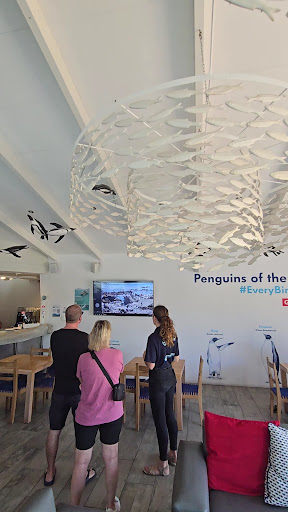
The sanctuary excels in public engagement, making complex ecological issues accessible to visitors of all ages. The visitor area, while compact, is rich with informative displays on seabird ecology, threats like commercial fishing competition, and the importance of marine protected areas. The auditorium’s large screen provides a live feed of the rehabilitation process, offering a behind-the-scenes look at veterinary care without disturbing the birds. Interactive touch screens and guided tours (especially during the 3:00 PM feeding) enhance the educational experience, fostering a deeper understanding of the African penguin’s plight and the broader marine ecosystem. The sanctuary’s free entry, supported by donations and a charming gift shop, ensures accessibility while encouraging community investment in conservation.
Highlights and Recommendations
The 3:00 PM penguin feeding is a must-see, where volunteers share fascinating insights into the birds’ biology and behavior. The facility is clean, well-maintained, and staffed by passionate experts who are clearly dedicated to their mission. For those interested in conservation science, the sanctuary’s integration of research, such as the African Penguin Nest Project, is particularly impressive. Visitors should plan for a 45-60 minute visit to fully absorb the educational content and observe the birds. Pairing a visit with a Marine Big 5 Safari in Gansbaai can contextualize the sanctuary’s work within the region’s rich marine ecosystem.
Final Thoughts
The African Penguin and Seabird Sanctuary is a vital institution that not only fights to save a critically endangered species but also educates the public on the urgent need for marine conservation. Its blend of cutting-edge science and accessible education makes it a must-visit for anyone interested in wildlife preservation. I left with a renewed appreciation for the African penguin and a strong desire to support their cause. Highly recommended for eco-conscious travelers, students, and families alike. #EveryPenguinCounts
Read more about this on our travel site at...
Read more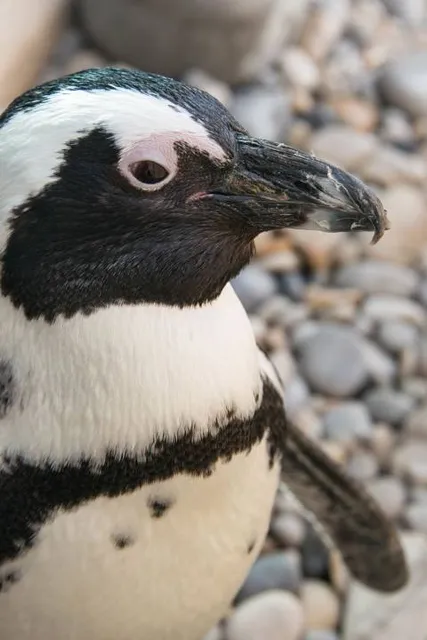
 Learn more insights from Wanderboat AI.