Title: Cape Point: Where Nature's Majesty Meets Endless Horizons
Nestled at the southern tip of the Cape Peninsula, Cape Point stands as a beacon of natural beauty and wonder, offering visitors an opportunity to immerse themselves in the breathtaking landscapes and rich biodiversity of South Africa's coastline. As I embarked on the journey to explore this iconic destination, I was filled with anticipation and excitement, eager to witness firsthand the awe-inspiring beauty that has captivated travelers for centuries.
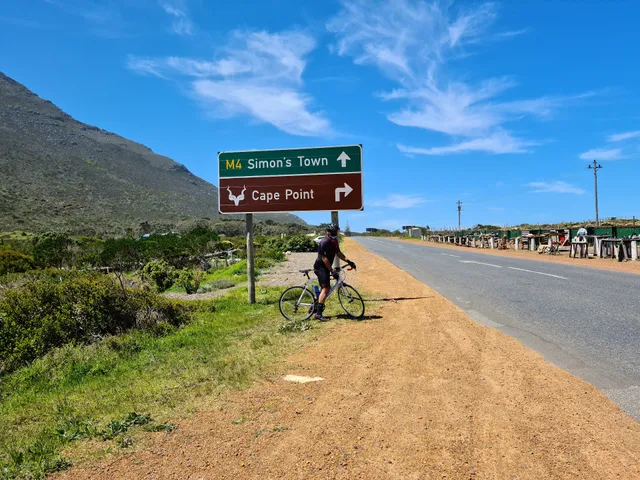
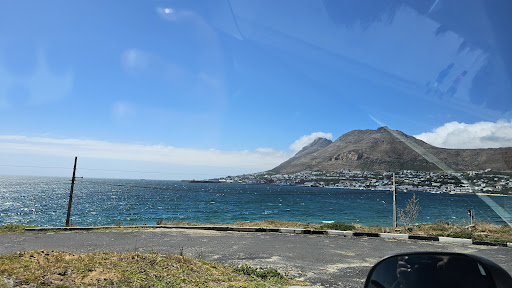
The journey to Cape Point began with a scenic drive along the coastal roads of the Cape Peninsula, where towering cliffs and rugged coastlines stretched as far as the eye could see. Along the way, I was treated to panoramic vistas of the Atlantic Ocean and the shimmering waters of False Bay, each turn in the road revealing a new perspective on the stunning natural landscapes that define this region.
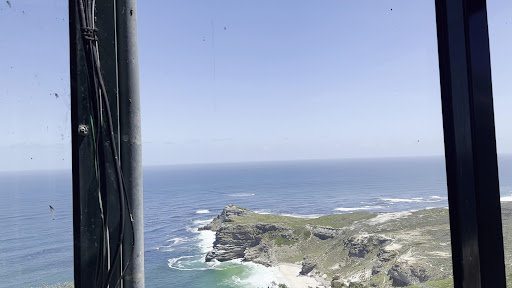
Arriving at Cape Point, I was immediately struck by the dramatic beauty of the landscape—a rugged wilderness where sheer cliffs plunge into the ocean below, and windswept beaches stretch as far as the eye can see. From the iconic lighthouse perched atop the rocky promontory to the pristine beaches and hidden coves that dot the coastline, every corner of Cape Point offers a glimpse into the untamed beauty of the natural world.
One of the highlights of my visit to Cape Point was the opportunity to explore the network of hiking trails that crisscross the reserve, offering unparalleled views of the surrounding landscapes and opportunities to encounter the rich diversity of flora and fauna that call this area home. As I traversed the rugged terrain, I encountered towering proteas, delicate fynbos, and elusive wildlife, each adding to the sense of adventure and discovery that permeates Cape Point.
But perhaps the most iconic moment of my visit to Cape Point was standing at the Cape of Good Hope, where the mighty Atlantic and Indian Oceans converge in a swirling maelstrom of currents and waves. As I gazed out over the endless expanse of ocean, I couldn't help but feel a sense of awe and wonder at the sheer power and majesty of nature—a reminder of the profound beauty and significance of this iconic landmark.
In conclusion, Cape Point is more than just a destination; it's an experience—an opportunity to connect with the natural world in all its splendor and majesty. Whether you're a nature lover, an outdoor enthusiast, or simply seeking a moment of tranquility amidst the chaos of modern life, a visit to Cape Point promises to be an unforgettable journey into the heart of South Africa's coastal wilderness—an experience that will leave a lasting impression on all who venture...
Read more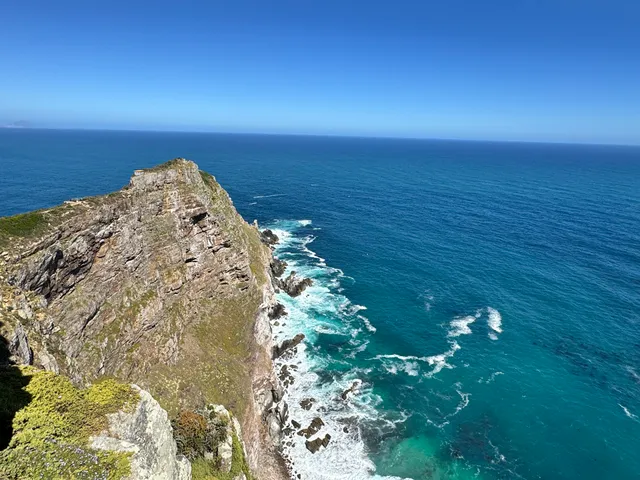
 Learn more insights from Wanderboat AI.