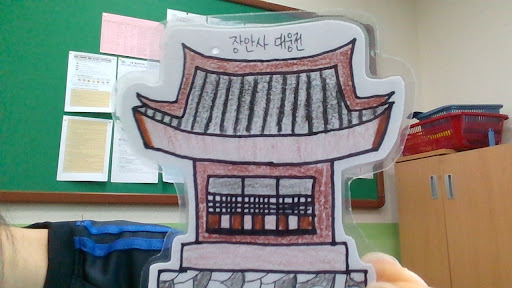
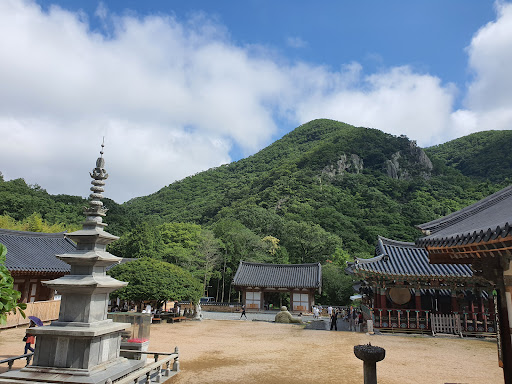
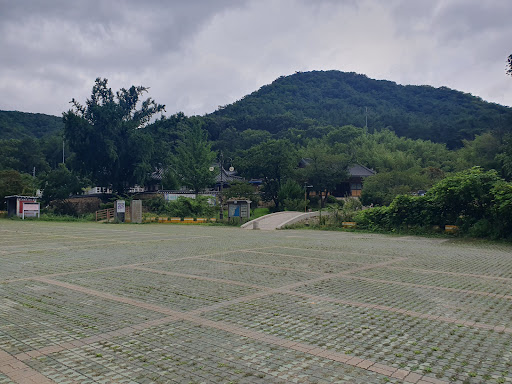
Jangansa Temple is a temple of the Jogye Order of Korean Buddhism and is located on the mountainside in Jeonggwan-eup, Gijang-gun, Busan. It was founded around the 4th century, and many openings were made during the Joseon Dynasty, but most of them have been lost. The most famous of the remaining buildings is Daeungjeon, built in 1636.
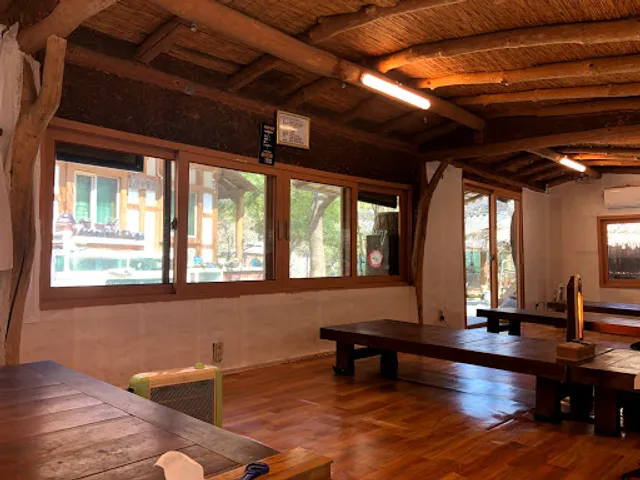
Daeungjeon is a two-story wooden building built in 1636, following the typical Daeungjeon style of the Joseon Dynasty. The building has a size of 7 rooms on the front and 5 rooms on the side, and has a characteristic structure with windows and balconies on each floor. In addition, the main hall located in the center and various decorations such as ceilings, murals, and mirrors surrounding it are characteristic.
The Daeungjeon Hall of Jangansa Temple is a cultural property that preserves the typical Daeungjeon style of the Joseon Dynasty and is one of the representative examples of wooden architecture in Korea. In addition, the daecheongmaru and its surrounding decorations and mirrors show the Chinese decorative style influenced by the Goryeo Dynasty. These points form the architectural meaning of Daeungjeon of Jangansa Temple.
El Templo Jangansa es un templo de la Orden Jogye del budismo coreano y está ubicado en la ladera de una montaña en Jeonggwan-eup, Gijang-gun, Busan. Fue fundado alrededor del siglo IV, y se hicieron muchas aperturas durante la dinastía Joseon, pero la mayoría de ellas se han perdido. El más famoso de los edificios restantes es Daeungjeon, construido en 1636.
Daeungjeon es un edificio de madera de dos pisos construido en 1636, siguiendo el estilo típico de Daeungjeon de la dinastía Joseon. El edificio tiene un tamaño de 7 cuartos al frente y 5 cuartos al costado, y tiene una estructura característica con ventanas y balcones en cada piso. Además, es característico el salón principal ubicado en el centro y diversas decoraciones como techos, murales y espejos que lo rodean.
El Salón Daeungjeon del Templo Jangansa es una propiedad cultural que conserva el estilo típico Daeungjeon de la Dinastía Joseon y es uno de los ejemplos representativos de la arquitectura en madera en Corea. Además, el daecheongmaru y las decoraciones y espejos que lo rodean muestran el estilo decorativo chino influenciado por la dinastía Goryeo. Estos puntos forman el significado arquitectónico del Templo Daeungjeon de Jangansa.
장안사는 대한불교조계종의 사찰로, 부산광역시 기장군 정관읍의 산중턱에 위치하고 있습니다. 4세기 경에 창건되었으며, 조선 시대에 다수의 개방 등이 이루어졌으나 대부분이 소실되었습니다. 현재 남은 건물 중 가장 유명한 것은 1636년에 건립된 대웅전입니다.
대웅전은 1636년에 만들어진 2층 목조 건축물로, 조선시대의 전형적인 대웅전 양식을 따릅니다. 건물은 앞면에 7칸, 옆면에 5칸의 크기로 되어 있으며, 각 층마다 창호와 발코니 등이 있는 특징적인 구조를 가지고 있습니다. 또한 중앙에 위치한 대청마루와 그 주변을 둘러싼 다양한 천장, 벽화, 거울 등의 장식물이 특징적입니다.
장안사 대웅전은 전형적인 조선시대 대웅전 양식을 잘 보존하고 있는 문화재이며, 우리나라 목조 건축의 대표적인 예 중 하나입니다. 또한, 대청마루와 그 주변 장식물, 거울 등은 고려시대의 영향을 받은 중국식 장식양식을 보여주고 있습니다. 이러한 점들이 장안사 대웅전의 건축적인 의미를 형성합니다.
長安寺は大韓仏教祖系宗の寺院で、釜山広域市キジャン郡定款邑の山中顎に位置しています。 4世紀頃に創建され、朝鮮時代に多数の開放などが行われたが、ほとんどが消失しました。 現在残っている建物の中で最も有名なのは1636年に建てられた大雄殿です。
大雄殿は1636年に建てられた2階建ての木造建築物で、朝鮮時代の典型的な大雄殿様式に従います。 建物は前面に7間、横に5間の大きさになっており、各階ごとに窓戸やバルコニーなどがある特徴的な構造を持っています。 また、中央に位置する大青丸やその周辺を囲む様々な天井、壁画、鏡などの装飾物が特徴的です。
長安寺大雄殿は、典型的な朝鮮時代の大雄殿様式をよく保存している文化財であり、韓国の木造建築の代表的な例の一つです。 また、大青丸やその周辺の装飾物、鏡などは高麗時代の影響を受けた中国風の装飾様式を見せています。...
Read more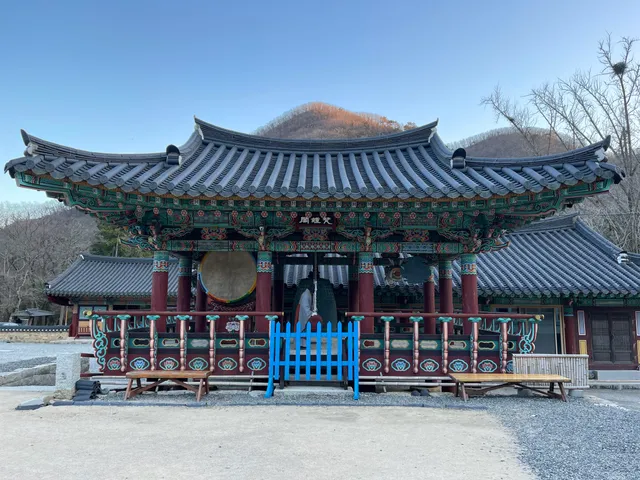
 Learn more insights from Wanderboat AI.