The Balearic Islands (Mallorca, Menorca, Ibiza, Formentera) are undeniably one of the most iconic destinations in the Mediterranean, but there are things you should know before visiting.
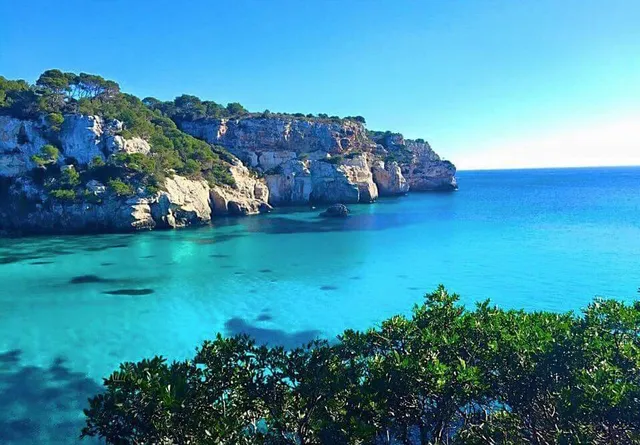
Pros: ✅ Natural Beauty: Beaches like Ses Illetes (Formentera) and Cala Macarella (Menorca) have stunningly clear waters and are perfect for photography. ✅ Diversity: Ibiza is ideal for vibrant nightlife, while Menorca and Formentera offer peace and seclusion. ✅ Active Tourism: Opportunities for kitesurfing, diving, cycling routes, and rock climbing. ✅ Delicious Cuisine: Try local specialties like ensaïmada (sweet pastry) or fresh seafood dishes at small harbor restaurants. ✅ Well-Developed Transport: Most beaches are easily accessible by car or public transport.
Cons: ❌ Overcrowding: In July and August, beaches and towns get extremely crowded, ruining the tranquility. ❌ High Prices: Accommodation, restaurants, and parking are significantly more expensive during peak season. ❌ Environmental Issues: Some areas face pollution (especially after heavy tourist influx) and limited efforts to preserve nature. ❌ Challenging Access: Some beaches require long hikes or driving on narrow roads. ❌ Noise in Resort Areas: Areas like Playa d’en Bossa (Ibiza) are too loud for those seeking quiet.
Tip: To avoid crowds, visit in May, June, or September. Opt for quieter villages (e.g., Fornells in Menorca) for an authentic experience.
Overall: A beautiful destination with great potential, but requires planning to avoid drawbacks. Ideal for beach lovers, nature enthusiasts, and culture seekers, but not perfect for those who hate crowds or are on a...
Read moreCame to Mallorca for the first time this September. It is heaven on earth. It has beaches, mountains, friendly locals. You can easily plan a budget friendly trip and still experience the island to its fullest. Definitely recommend for summer holidays. 5...
Read moreLos romanos conquistaron las islas de Mallorca y Menorca y se aliaron con Iboshim en torno al año 123 a. C., unificando por primera vez todo el archipiélago bajo una misma administración y una misma cultura (pues había una dicotomía del fondo étnico —que persiste actualmente en una diferencia insalvable de cultura— entre las Pitiusas, pobladas por fenicios, y las Gimnesias, con gentes pertenecientes a la cultura talayótica), aunque la colonización romana fue poco intensa. Incorporadas al principio a la Hispania Citerior, y posteriormente a la Tarraconensis, las islas formaron parte de la provincia Cartaginense durante el Bajo Imperio, y a finales del siglo IV se constituyeron en provincia independiente...
Read more