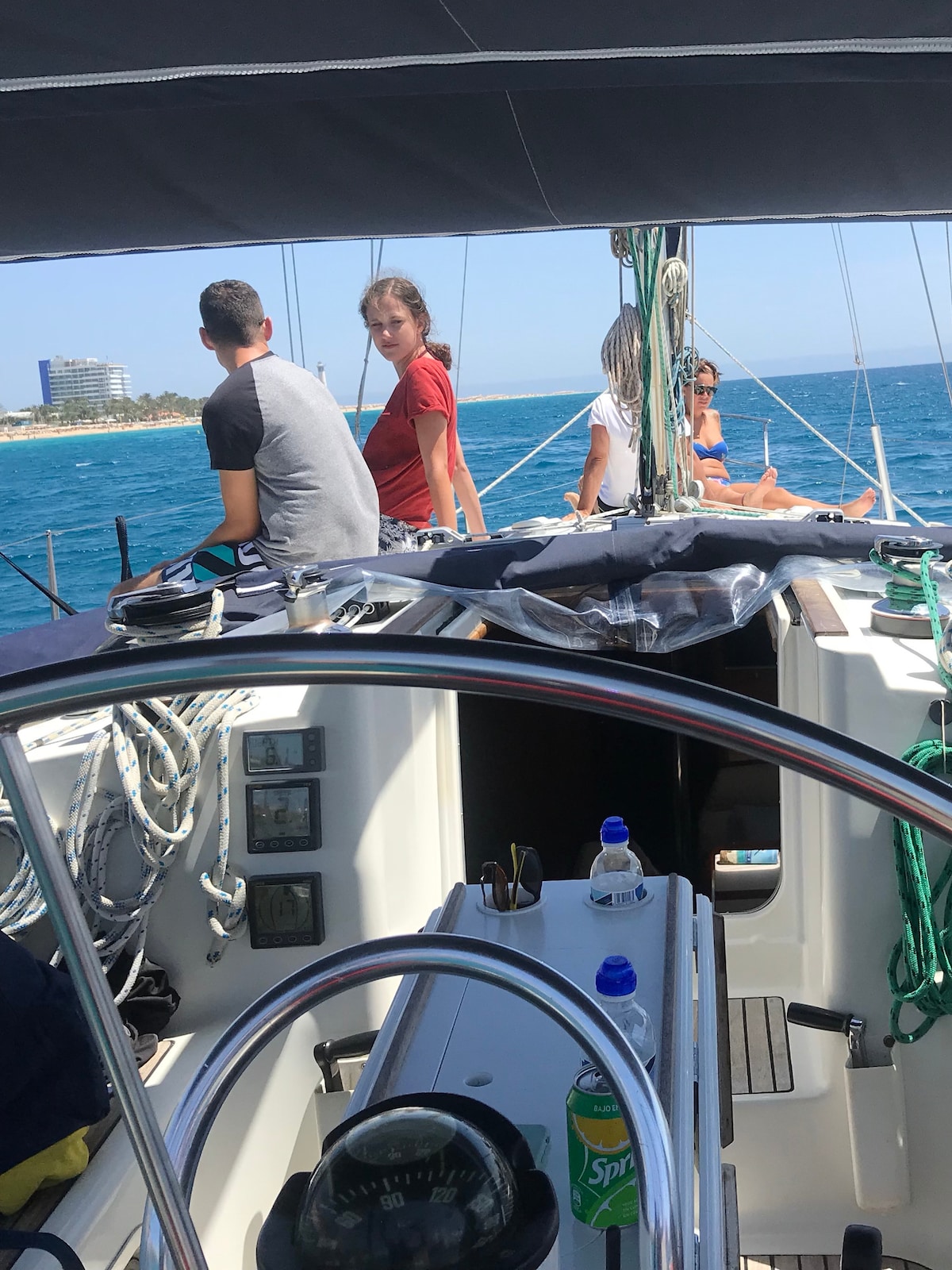
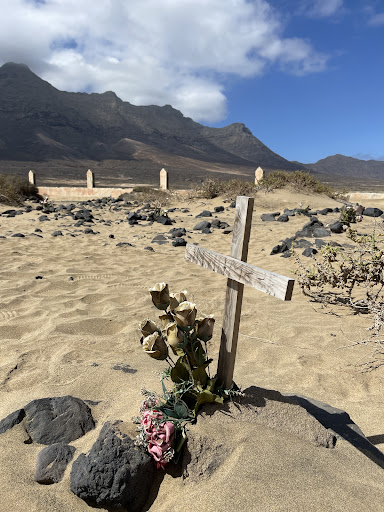
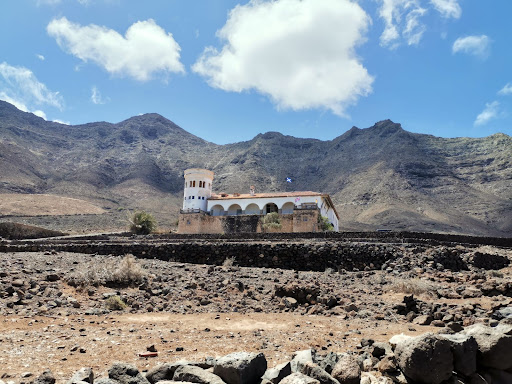
Sono stato per giorni a Cofete, la località che ospita Casa Winter, dove ho conosciuto Pedro Fumero. Mi sono ricreduto anche su quanto effettivamente riportato sulla casa dall'enciclopedia, infatti molte notizie e dati sono da rivedere. Per primo la data di costruzione della casa, che è stata completata prima della seconda guerra mondiale, quindi nel '38 o addirittura nel '36 e non nel '46. Non ha senso, infatti chi poteva finanziare dopo la II guerra mondiale un punto così strategico per il 3º Reich?
In secondo luogo la casa aveva altre finalità e non certamente quella agricola, laddove non cresce alcun tipo di coltura e l'acqua è completamente assente. Lo stesso Pedro, che rivendica per sé la casa ed i terreni, ha provato a coltivare la terra senza esito alcuno. La casa aveva vari scopi, il primo era quello di avamposto o testa di ponte per la traversata dell'atlantico sia per scopi diplomatici o esplorazioni in Africa e in Sud America, ma anche per eventuali fughe dei gerarchi. Il lato nord della casa con funzione di vedetta ben si coniuga con una torre di controllo per una pista ancora visibile dall'alto e su google maps. Possiedo un brevetto di volo per aerei da turismo e mi sono premunito delle mappa ed ho percorso la pista, infatti è stata liberata da tutti i massi più grossi ed è stata tracciata per alcune centinaia di metri in direzione per atterraggio e decollo in direzione nord/ovest fronte vento, lato mare in diagonale alla spiaggia. Grazie alla disponibilità di Pedro ed a una amicizia nata per reciproca simpatia, ho potuto visitare tutta la casa ... quello che mi ha colpito di più sono i sotterranei, le celle ed il laboratorio autoptico (spero), ma per approfondire vi invito a vedere sui social e su YouTube i documenti, foto e filmati postati da Pedro sul Tag "la historia esta para contarla". Anche la figura di Gustav Winter è da riscrivere, non solo ingegnere ma anche tenente colonnello con funzioni di spia e di raccordo con il franchismo. Certo è difficile pensare che una persona così a modo facesse parte del Reich, ma non dimentichiamo che tutti i tedeschi erano stati richiamati per una sola finalità, l'esaltazione della razza arianna. Tutti, ripeto, tutti i tedeschi, dovevano contribuire alla grandezza e magnificenza del popolo tedesco. In ultimo e fondamentale aspetto è la funzione di base per i sottomarini u-boot, sia durante il conflitto che per la fuga dei nazisti verso il sud america. Qui faccio un inciso in cui non dirò se esiste o no il tunnel segreto, se esiste non potrebbe permettere ad un sottomarino il transito, le dimensioni sarebbero troppo piccole per permetterlo, però quello che ho visto sulla piana e dopo essermi immerso con le bombole da sub, mi basta per dire con certezza che dal mare alla casa è possibile transitare senza passare dalla superficie. Dall'immersione ho trovato, seguendo una linea indicatami da Pedro, dai pescatori di Cofete e con enorme meraviglia, l'imbocco sottomarino. La linea calcolata era coincidente con tutti i cunicoli e tombini visitati con Pedro, spero mi perdoni per questo segreto svelato, ma la villa è piena ancora di misteri, alcuni agghiaccianti, se risultassero veri, altri sorprendenti, come quello della plastica facciale ad uno dei più importanti gerarchi, morto in Uruguay all'età di 96 anni con il nome di Juan Ernesto G.....a, questa è una notizia che neanche Pedro può sapere! Grazie per l'attenzione. Il testo e le foto sono coperte da copyright potete utilizzarle facendo riferimento all'autore Ghilian...
Read more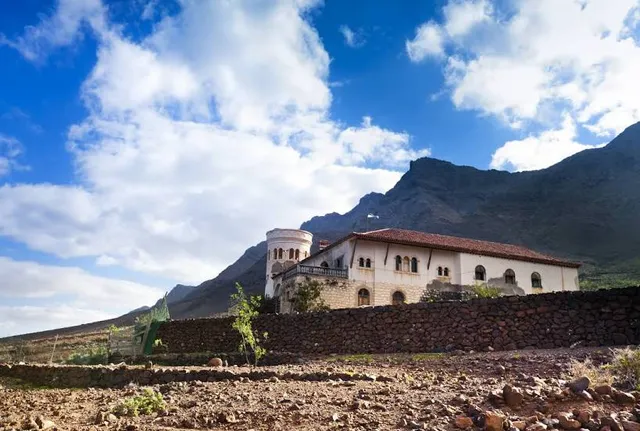
 Learn more insights from Wanderboat AI.