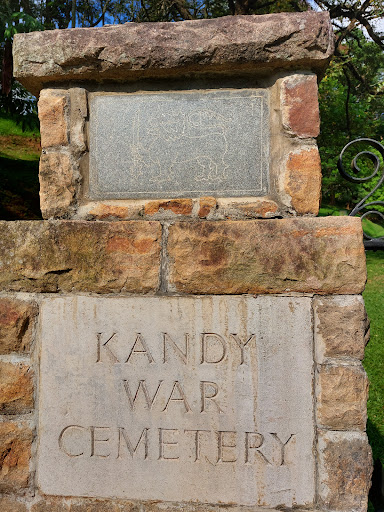
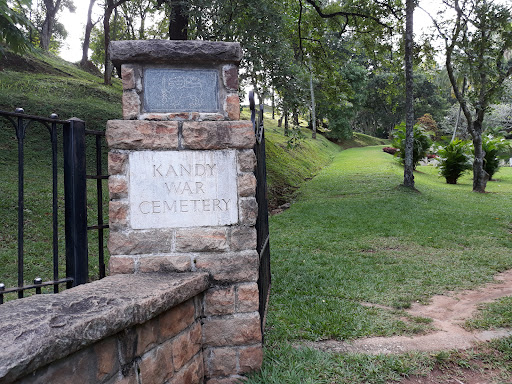
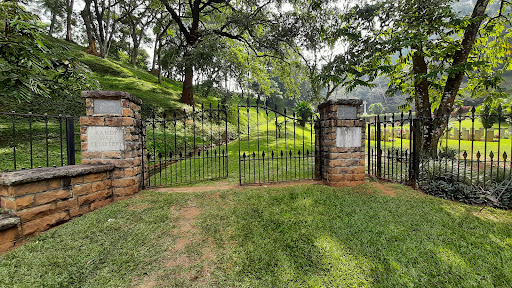
The Kandy War Cemetery in Sri Lanka stands as a poignant reminder of the sacrifices made by countless individuals during World War II. As I ventured into this hallowed ground, I was immediately struck by the serene and solemn atmosphere that enveloped the entire cemetery.
The meticulous maintenance and immaculate condition of the cemetery are a testament to the respect and reverence paid to the fallen soldiers. The beautifully landscaped grounds, adorned with vibrant flowers and meticulously trimmed greenery, create a tranquil environment that invites contemplation and reflection.
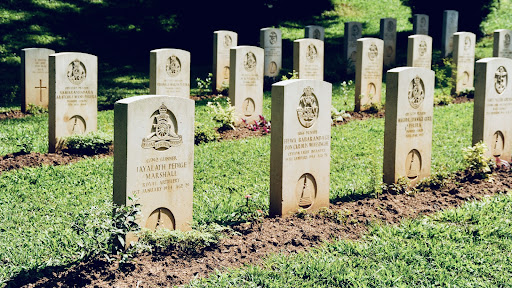
Walking through the neat rows of white gravestones, each bearing the name and regiment of a fallen soldier, I couldn't help but feel overwhelmed by the sheer scale of the sacrifice represented here. The inscriptions on the headstones offer a glimpse into the lives and stories of those who lost their lives in service to their country. It is a humbling experience to read the names, ages, and epitaphs, realizing that these were once vibrant individuals with hopes and dreams, who made the ultimate sacrifice for a greater cause.
The Kandy War Cemetery is impeccably organized, making it easy to navigate and pay respects to specific individuals. The memorial's layout and design reflect a profound sense of order and dignity, providing an appropriate backdrop for contemplation. The surrounding tall trees cast a gentle shade over the cemetery, offering a soothing respite from the heat while adding to the overall tranquility of the space.
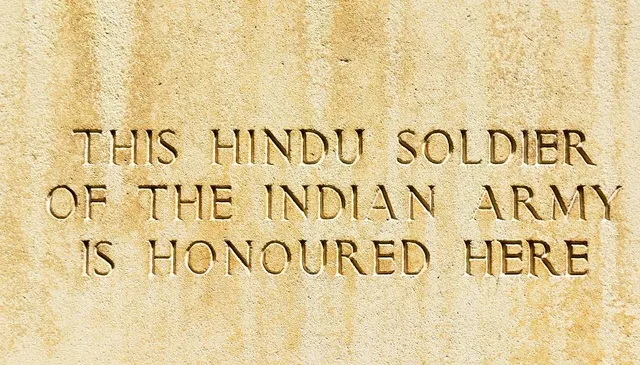
One aspect that struck me was the inclusivity of the cemetery, with soldiers from various nationalities being laid to rest here. British, Australian, Indian, and Sri Lankan soldiers, among others, rest side by side, a testament to the global nature of the conflict and the unity forged in times of war. This cultural diversity adds to the richness of the experience and underscores the shared humanity and camaraderie that transcends borders.
The presence of the Cross of Sacrifice, a symbol of remembrance, at the heart of the cemetery further enhances its significance. This solemn monument, standing tall and resolute, pays homage to all the fallen soldiers and serves as a focal point for reflection and remembrance.
The cemetery's maintenance and preservation are commendable. The dedication of the caretakers is evident in the spotless grounds and the care taken to ensure the longevity of the memorial. I found the information panels throughout the cemetery to be informative and thoughtfully placed, providing historical context and enhancing the visitor's understanding of the site.
Visiting the Kandy War Cemetery is a profoundly moving experience. It serves as a reminder of the immense sacrifices made during one of history's darkest periods. The impeccable upkeep, tranquil ambiance, and inclusivity of the site create an environment conducive to reflection, gratitude, and respect.
I highly recommend a visit to the Kandy War Cemetery to anyone seeking a deeper understanding of the human cost of war and the need to cherish and protect the hard-won peace we enjoy today. It is a place that not only commemorates the fallen but also instills a sense of gratitude and a renewed commitment to strive for a world free...
Read moreThis Colonial War Cemetery is down by the Mahaweli riverside. During World War II there was a decisive moment for the British defending the empire against the Japanese after Singapore was occupied by the Japanese. The military headquarters were shifted from Burma to Ceylon and Lord Mountbatton gave his instructions from Peradeniya gardens to hold up the Japanese, undermining the dominance of the British Empire in this part of the world. Kandy played a special role during the colonial period under the British from the first to the last moment.
Formerly known as Pitakande Military Cemetery, it was acquired originally by the military authorities, and was subsequently taken over by the Commonwealth war graves commission as a permanent war cemetery. The Army Graves Service transferred war graves from Diyatalawa Boer Military Cemetery; (including graves which had previously been moved from Diyatalawa Camp Cemetery and Diyakaduwa Cemetery and from Bandarawala); Galkissa General Cemetery; Ihala Vitiyala Burial Ground; Kandy Civil Cemetery; Kollonawa Burial Ground; Kotagala Forest Creek Cemetery; Mahaiyawa Cemetery; Murugampola Cemetery; Rawatawatte General Cemetery, Moratura; Tibotugoda Etakorasa Cemetery and Trincomalee Hindu and Buddhist Cemetery. In 1958 the Commission moved in two graves from Kandy Civil Cemetery where permanent maintenance could not be assured. The special memorial Type C commemorates a naval man known to have been buried in the cemetery but whose grave could not be precisely located. It bears the superscription "Buried near this spot". There is 1 Commonwealth burial of the 1914-1918 war and a further 196 Commonwealth burials of the 1939-1945 war commemorated here. In addition there are 4 Foreign National and 2 non world war burials. No. of Identified Casualties: 201 (Source: CWGC)
An idea of the range of nationalities laid to rest on this Island comes from the records of the War cemetery in Kandy, where 201 war dead rest, among them 107 Britons, 35 East Africans, 26 Sri Lankans, 23 Indians 6 Canadians, 3 Italians and 1 Frenchman.
Harking back to an earlier war, 141 Boer prisoners of war who died in the Diyatalawa Camp between 1900 and 1902, and British servicemen who died during the same period, lie at the Diyatalawa...
Read moreExplore the War and Garrison Cemetery two beautiful cemeteries in Kandy offering an interesting contrast. The War Cemetery is serene and incredibly well-maintained and celebrates lives known and unknown lost during the war. The older Garrison Cemetery honours the history of men, women and children buried far from home.
1.5km (1mi.) beyond the entrance to the Peradeniya Botanical Garden is the Kandy War Cemetery maintained by the Commonwealth War Graves Commission. 196 Allied officers and men from seven nations during World War 2 are buried in this sacred place. During World War 2 Kandy was an important centre and the headquarters of the South East Asian Command from April 1944. Admiral Lord Mountbatten was the Supreme Allied Commander coordinating the land war against the Japanese.
A second older cemetery is the British Garrison Cemetery located within the compound of the Sri Dalada Maligawa, the Temple of the Sacred Tooth Relic. Between 1817 and 1873 this was the town’s main burial ground for British nationals. The cemetery was restored in 1998 and is definitely worth exploring with the caretaker who is a fascinating guide pointing out the more unusual ways people came to the cemetery, including death by an elephant, being impaled by a stick when dismounting a horse and having a house collapse on them. There is a small museum attached to the site. Kandy War Cemetery is officially open every day between 07h00-16h00 but in practice, your &BEYOND guide will always ring ahead. Outside of these hours, the cemetery is locked. Wheelchair access is possible via the main entrance. The British Garrison Cemetery is open from...
Read more