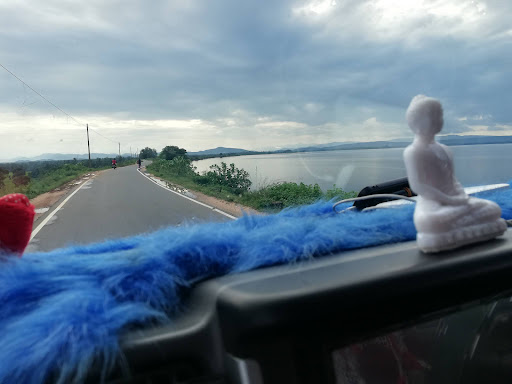
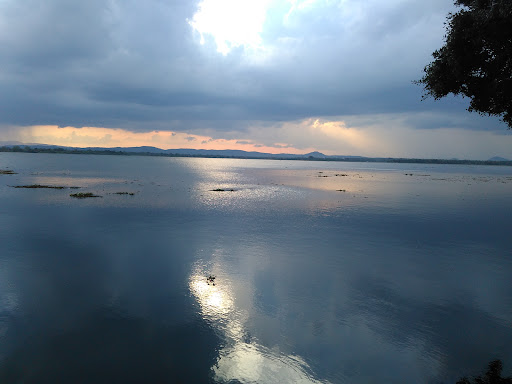
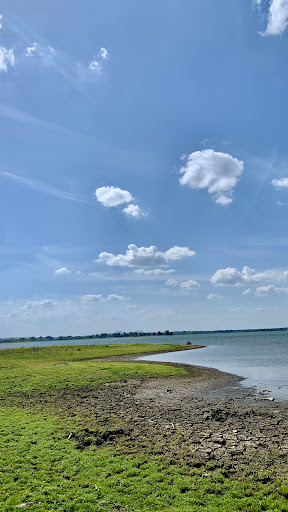
Parakrama Samudra, an ancient reservoir nestled in the heart of Polonnaruwa, Sri Lanka, stands as a grand testament to the island's historical prowess in hydraulic engineering and water management. Constructed during the reign of King Parakramabahu I in the 12th century, this colossal reservoir is not merely a body of water but a symbol of cultural and agricultural prosperity that has endured for centuries.
Parakrama Samudra, translating to "Sea of Parakrama," reflects the grand vision and ambitious undertakings of King Parakramabahu I. This reservoir was a central component of the king's plan to transform Polonnaruwa into a flourishing capital, marked by advanced urban planning and sustainable agriculture. Covering an expansive area of approximately 2,500 acres, the reservoir became a critical source of water for the city and its surrounding agricultural lands.
The reservoir's construction involved the creation of a massive earthen embankment, strategically designed to capture and store water from the Amban River. The sheer scale and engineering ingenuity displayed in the creation of Parakrama Samudra are awe-inspiring, reflecting the advanced hydraulic civilization of ancient Sri Lanka.
The primary purpose of Parakrama Samudra was to serve as a reliable irrigation source for the surrounding paddy fields, enabling year-round cultivation and sustaining a prosperous agricultural community. The reservoir's waters were meticulously distributed through an intricate network of canals and channels, reaching farmlands in the vicinity and fostering an environment conducive to rice cultivation.
The cultural and religious significance of Parakrama Samudra is evident in the architectural marvels surrounding its banks. The iconic Parakrama Samudra Sea Wall, also known as "Yudaganawa," spans over 8 miles and showcases the expertise of ancient builders in creating durable and functional structures. The walls not only protected the reservoir from erosion but also served as a testament to the grandeur of the kingdom.
The name "Parakrama Samudra" also reflects the philosophical and cultural dimensions associated with the reservoir. It symbolizes the king's aspiration to create a vast, boundless sea of prosperity for his people, fostering an environment where agriculture, commerce, and culture could thrive.
Even after centuries, Parakrama Samudra remains a functioning reservoir, supporting agriculture in the region. The tank continues to play a pivotal role in maintaining the agricultural traditions of Polonnaruwa, ensuring that the cultural and historical legacy of this ancient hydraulic marvel endures.
Conservation efforts have been undertaken to preserve Parakrama Samudra and its associated structures, recognizing its significance as a UNESCO World Heritage site. Visitors to Polonnaruwa can marvel at the grandeur of this ancient reservoir, reflecting on the enduring impact of King Parakramabahu I's vision on the landscape and culture of Sri Lanka. Parakrama Samudra stands as a timeless testament to the island's ability to harness and manage water resources, creating sustainable environments that have stood the...
Read moreParakrama Samudra: The Sea of King Parakramabahu Sri Lanka has two large monsoon seasons, each lasting about three months. The rest of year remains dry and hot, except for a few short heat induced thunderstorms at night. This climate, with its lack of regular water, can have a devastating effect on those who make a living from agriculture. Parakrama Samudra in Sri Lanka was one such solution to the problem of lack of water. In an attempt to alleviate this problem, many ancient kings built reservoirs that regulate water. Parakrama Samudra too is such a construction built in Polonnaruwa by King Parakramabahu the first who ruled there from 1153 AD to 1153 AD. The Sea of Parakrama or Parakrama Samudra originally consisted of five large reservoirs which relieved the pressure on the main dam. The first reservoir Thopa Vewa already existed in King Parakramabahu’s time having been built in 386 AD. The king had the other large reservoirs included and the entire system expanded. In addition, many smaller reservoirs were built around the primary reservoirs to feed them water and to take away any excess water.
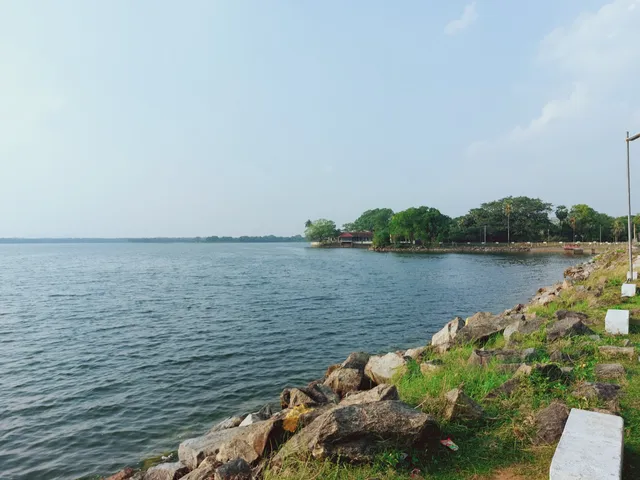
Parakrama Samudra:The Main Reservoirs of the Original Parakrama Samudra Thopa Vewa Eramudu Vewa (Katu Vewa) Dumbuthula Vewa Kalahagala Vewa Bhu Vewa
However, during reconstructions in the 19th century the water being fed to Thopa Vewa started flowing to Bhu Vewa as a result of some new structural error. With a possibility of destruction from flooding hanging over their heads, the engineers made the quick decision to build a temporary dam to halt the water flow. Unfortunately this separated the last two reservoirs, Kalahagala Vewa and Bhu Vewa, from the system completely. The temporary dam became a permanent road isolating the first three reservoirs into a smaller version of the originally vast Parakrama Samudra. In addition the reconstructions further reduced the capacity of the reservoir due to completely ignoring the complex ancient technology it was built with.
Parakrama Samudra:The Current Dimensions of Parakrama Samudra Length : 14km (8 ½ miles) Height from the outside : 12.2m (40 feet) Average...
Read moreParakrama Samudraya, located in Polonnaruwa, Sri Lanka, is a massive ancient reservoir built by King Parakramabahu I in the 12th century. This historic site is a testament to the engineering prowess of ancient Sri Lankans and continues to play a vital role in irrigation and agriculture.
Key Features:
Construction: The reservoir was built around 1200 AD and covers an area of approximately 2,400 hectares. Design: It consists of five separate reservoirs (Thopa, Dumbutulu, Eramudu, Bhoo, and Katu tanks) connected by narrow channels. Irrigation System: The reservoir features an intricate network of canals and sluice gates that distribute water to farmlands, supporting agriculture in the region. Water Management: The reservoir's design showcases advanced engineering techniques for water management, including rainwater harvesting and natural filtration.
Activities:
Birdwatching: The reservoir is home to various bird species, making it a popular spot for birdwatching. Cycling : Visitors can cycle along the reservoir's scenic paths, enjoying breathtaking views of the lake and surrounding landscape. Boat Rides : Boat rides are available, offering a unique perspective on the reservoir and its surroundings. Fishing : Fishing is a popular activity, with opportunities to catch various fish species.
Historical Significance:
King Parakramabahu I : The reservoir was built during the reign of King Parakramabahu I, who is renowned for his contributions to irrigation and agriculture. Agricultural Importance : The reservoir played a crucial role in supporting agriculture in the region, ensuring a steady water supply for rice cultivation. Cultural Symbolism : Parakrama Samudraya is a cultural symbol deeply embedded in Sri Lankan society, representing the country's rich history...
Read more