P A H I Y A N G A L A C A V E
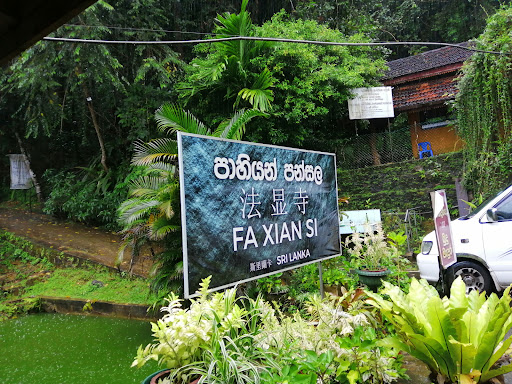
LOCATED IN THE VILLAGE OF Yatagampitiya in Sri Lanka, Fa-Hien Lena (also known as Pahiyangala Cave) is the largest cave on the island, and one of the largest natural rock formations in all of Asia. The cave was also the site of a remarkable archaeological discovery that dug up human skulls dating back about 37,000 years—the remains of one of the region’s oldest prehistoric human settlements.
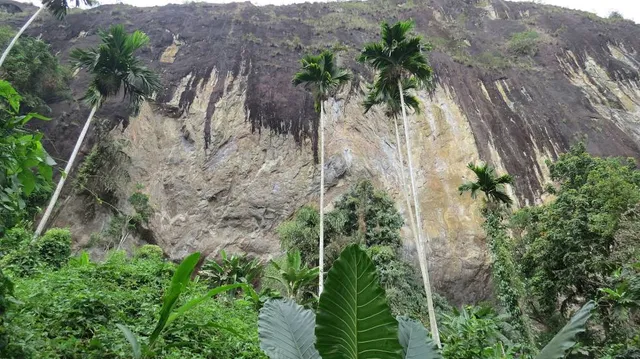
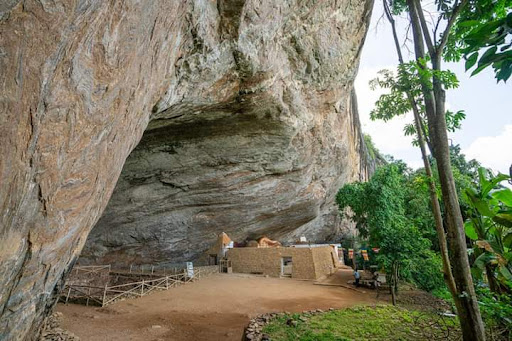
Surrounded by tropical greens, the mammoth cave measures 200 feet long, with an entrance 175 feet high and 160 feet wide, and sits 400 feet above sea level. There are areas inside the cave which are over 400 feet high. As archaeological research is still being conducted, many of the cave’s natural tunnels have been blocked. Aside from research, the cave is also the home of a Buddhist temple. A local monk used a heavy stone tool to clear the cave entrance and level the ground. Visitors to the cave are greeted by the temple’s 40 foot long reclining Buddha statue.
Beyond the cave’s natural beauty, the archaeological finds within it make it a remarkable piece of history. In addition to the human skulls the Sri Lankan Archaeological Departments found, they also discovered weapons from the same era. These weapons, made from animal bones and stones, were used to kill deer, monkeys, porcupines, and other animals. According to researchers, evidence found in the cave suggests that these early humans also ate “a few types of edible snails and wild breadfruit.” Researchers have also discovered that after eating the snails, the cave’s earliest residents would pierce them to make jewelry.
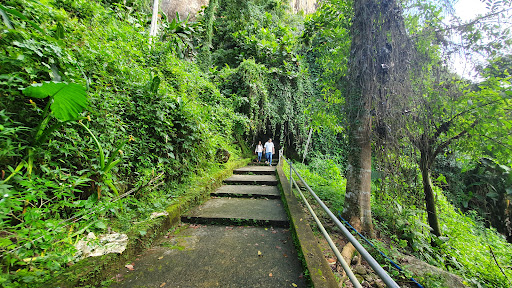
Getting to the cave can be a bit of a struggle, with about a 20 minute walk up stone steps (without a railing), but it’s a popular spot for school trips...
Read moreKalutara Pahiyangala, located in Sri Lanka, is a site of profound historic value that offers a unique glimpse into the prehistoric past of the island nation. Renowned as one of the oldest human habitation sites in Sri Lanka, Pahiyangala showcases the ancient footsteps of early Homo sapiens who once inhabited these rocky landscapes. Archaeological excavations and studies conducted at Kalutara Pahiyangala have revealed invaluable insights into the lifestyles, tools, and behaviors of these ancient inhabitants. The rock shelter's historical significance is further amplified by the discovery of skeletal remains, stone tools, and artifacts that provide a tangible connection to the distant past. The site's geological features add to its historical allure. The expansive rock formations and natural caves emphasize the challenging yet adaptive environment in which these early humans lived. The importance of Kalutara Pahiyangala extends beyond its archaeological treasures; it serves as a living museum, preserving the stories of the earliest communities and their resilience in the face of nature's challenges. Visiting Kalutara Pahiyangala allows individuals to transcend time and gain a profound understanding of the ancient human journey on the island. By exploring this historic site, visitors can appreciate the rich heritage and cultural heritage of Sri Lanka's earliest inhabitants, offering a unique window into the past that enhances our understanding of human evolution and the roots of...
Read moreIn the beginning, the cave is about 175ft tall and 200ft long and the deeper you go, the bigger it gets. Most of the natural tunnels are blocked now and are being used by archaeological researchers.
Human skulls that were found in this part of the caves date back to almost 37,000 years ago. Among the finds, weapons made from animal bones and stones were also unearthed.
Researcher says that these weapons were used to kill deer, monkeys, porcupines and other animals. The objects also suggest that the humans back then ate a few types of edible snails and wild breadfruit.
This cave was converted into a Buddhist temple by a monk and priest named Porogoma who used an iron crowbar to clean the soil and dirt from the cave entrance and levelled the ground for use. A 40ft long reclining Buddha statue can also be found in...
Read more