Monte San Giorgio things to do, attractions, restaurants, events info and trip planning
Basic Info
Monte San Giorgio
6826 Riva San Vitale, Switzerland
4.7(229)
Save
spot
spot
Ratings & Description
Info
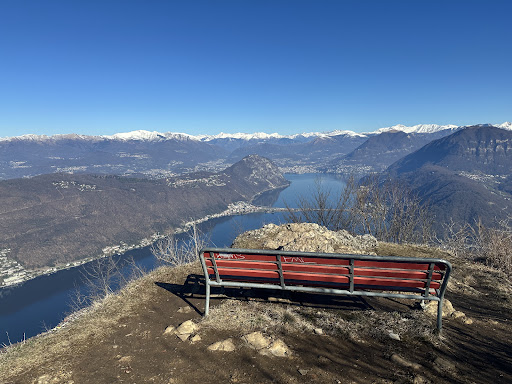
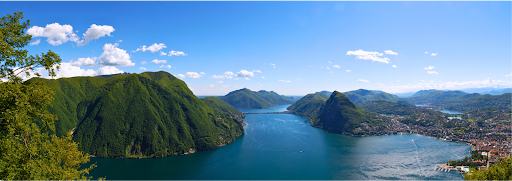
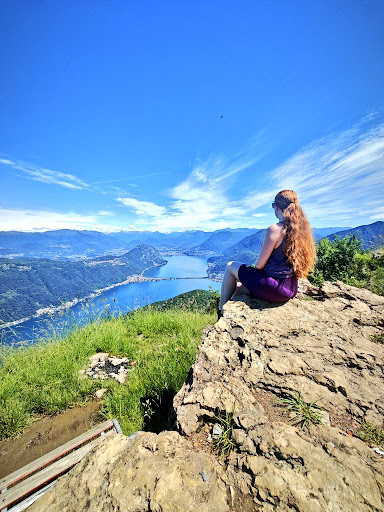
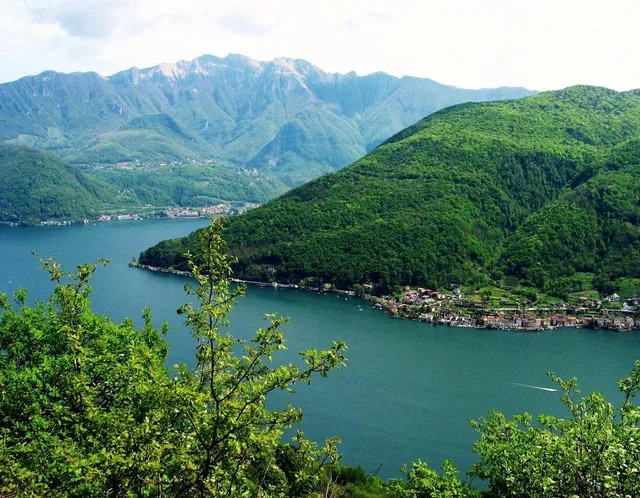
Monte San Giorgio is a Swiss mountain and UNESCO World Heritage Site near the border between Switzerland and Italy. It is part of the Lugano Prealps, overlooking Lake Lugano in the Swiss Canton of Ticino. Monte San Giorgio is a wooded mountain, rising to 1,097 m above sea level.
Outdoor
Adventure
Scenic
Family friendly
Off the beaten path
attractions: Sentiero geo-paleontologico, restaurants: Grotto Alpe di Brusino, local businesses:
 Learn more insights from Wanderboat AI.
Plan your stay

Pet-friendly Hotels in Circolo di Mendrisio
Find a cozy hotel nearby and make it a full experience.

Affordable Hotels in Circolo di Mendrisio
Find a cozy hotel nearby and make it a full experience.

The Coolest Hotels You Haven't Heard Of (Yet)
Find a cozy hotel nearby and make it a full experience.

Trending Stays Worth the Hype in Circolo di Mendrisio
Find a cozy hotel nearby and make it a full experience.
Reviews
Live events

2° incontro: La metà scomparsa, Brit Bennett
Mon, Feb 23 • 6:30 PM
83 Viale Lecco 22100 Como
View details
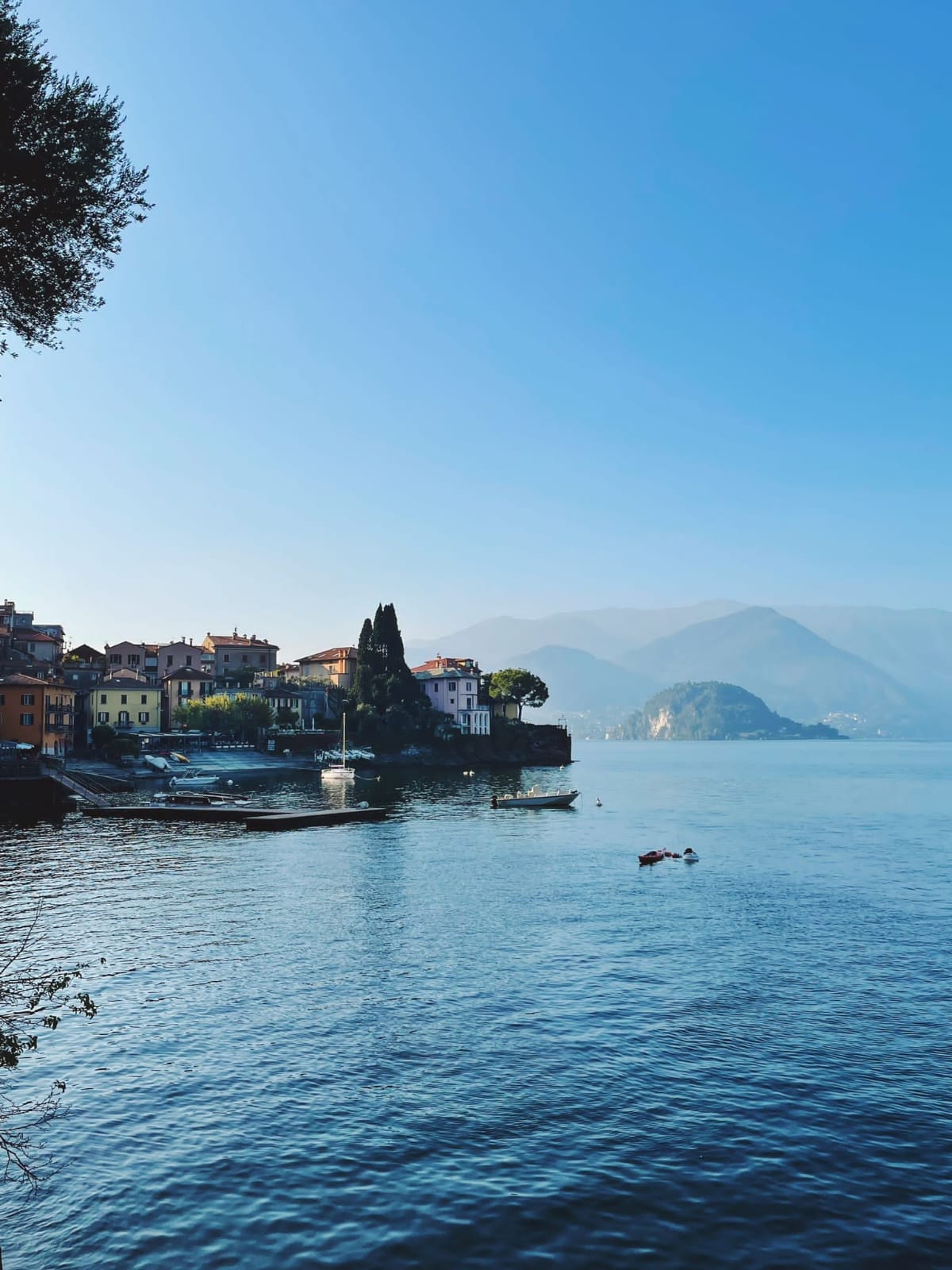
Explore Lake Como and region
Fri, Feb 20 • 9:30 AM
23829, Varenna, Lombardia, Italy
View details

Craft pizza with a professional pizzaiolo
Sat, Feb 21 • 2:30 PM
22100, Como, Lombardy, Italy
View details
Nearby attractions of Monte San Giorgio
Sentiero geo-paleontologico
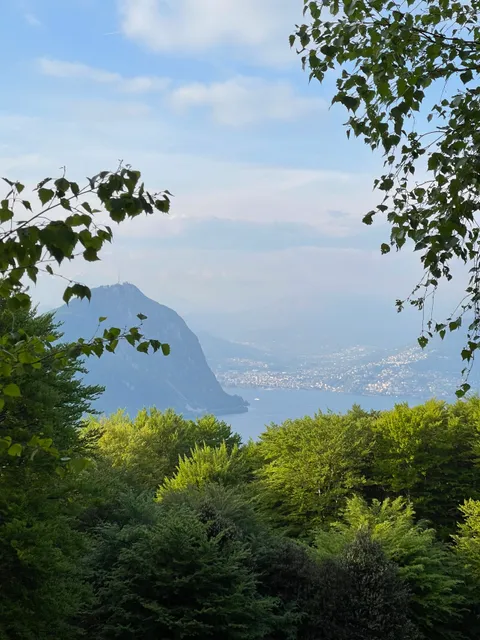
Sentiero geo-paleontologico
4.6
(13)
Open until 12:00 AM
Click for details
Nearby restaurants of Monte San Giorgio
Grotto Alpe di Brusino
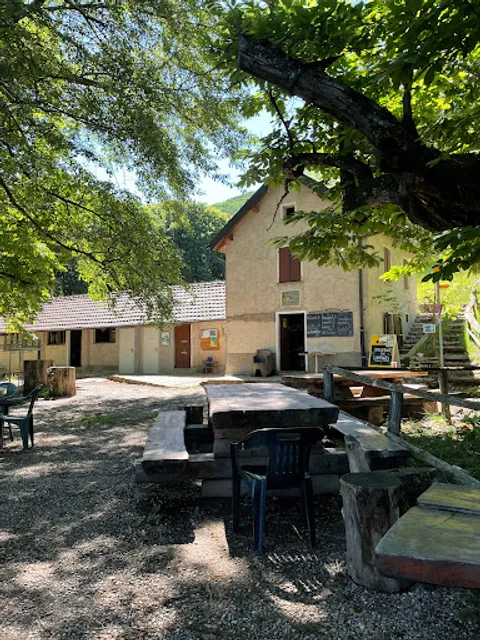
Grotto Alpe di Brusino
4.3
(113)
$$
Click for details