The Pamir Mountains, often referred to as the "Roof of the World," offer an unparalleled adventure for those seeking raw natural beauty, remote landscapes, and a rich cultural experience. Stretching across Tajikistan and parts of Afghanistan, China, and Kyrgyzstan, this mountain range is one of the most majestic and unexplored regions of Central Asia.
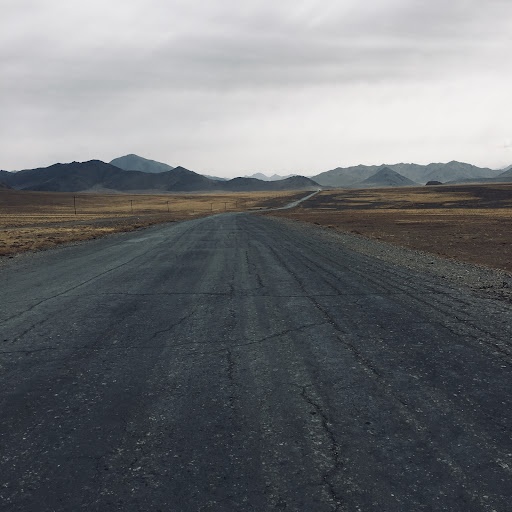
One of the most famous attractions in the Pamirs is the Pamir Highway (M41), one of the highest and most challenging roads in the world. The highway, which winds through the mountains from the capital of Tajikistan, Dushanbe, to the Kyrgyz city of Osh, takes travelers on a journey through some of the most remote and stunning scenery on earth. Along the way, you'll pass through picturesque valleys, high-altitude plateaus, rugged mountain passes, and ancient Silk Road sites. The journey is a test of endurance, but the panoramic views of snow-capped peaks, barren deserts, and lush oases make it worth every moment.
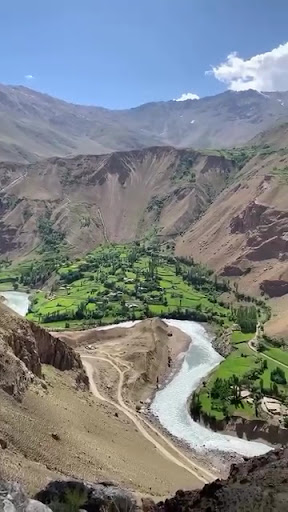
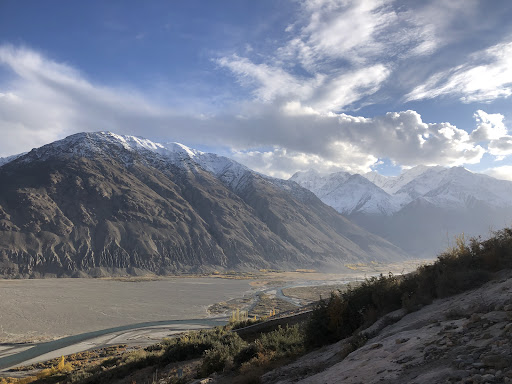
The Pamir region is home to many beautiful and remote valleys and villages, offering visitors a chance to immerse themselves in the unique culture and traditions of the Pamiri people. The people of the Pamirs are known for their hospitality and resilience in such a harsh environment. Visitors can stay in traditional Pamiri homes, where they will be treated to local cuisine, music, and stories that have been passed down for generations. The villages of the Wakhan Valley, in particular, are a highlight, as they provide stunning views of both the Pamir and Hindu Kush mountain ranges and are rich in historical significance, being part of the ancient Silk Road.
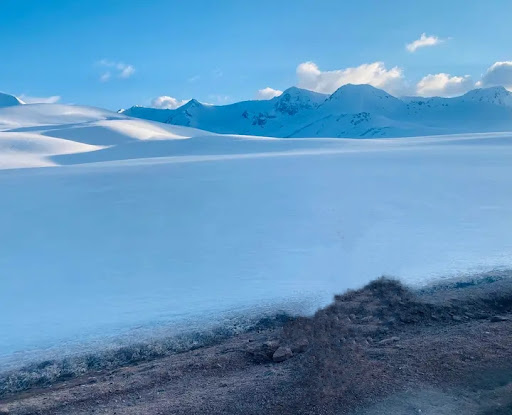
For trekkers and mountaineers, the Pamirs are a paradise. Some of the highest peaks in the world, such as Peak Lenin (7,134 meters) and Peak Somoni (7,495 meters), are located here, offering challenging climbs and rewarding views. Even for less experienced hikers, there are numerous trails leading to crystal-clear alpine lakes, high-altitude meadows, and glaciers. The Zorkul Lake and Karakul Lake are serene spots perfect for camping, surrounded by breathtaking mountain scenery.
The Pamir Mountains also boast a rich biodiversity. Although the environment is harsh, the region is home to rare wildlife, such as Marco Polo sheep, ibex, snow leopards, and a variety of bird species. Nature lovers and photographers will be enchanted by the unique flora and fauna, as well as the dramatic landscapes that change with the seasons.
In conclusion, the Pamir Mountains offer a truly immersive experience for those seeking both adventure and tranquility. The region’s remoteness, combined with its spectacular natural beauty and rich cultural heritage, make it one of the most extraordinary destinations...
Read more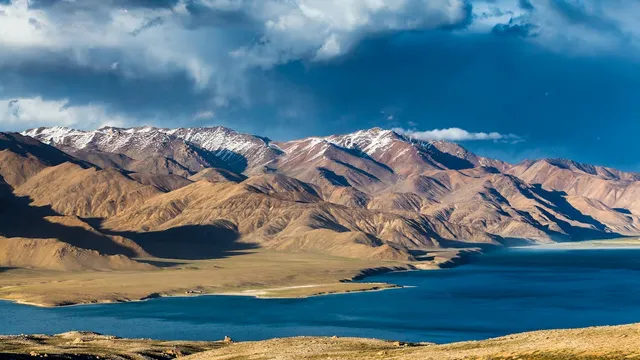
 Learn more insights from Wanderboat AI.