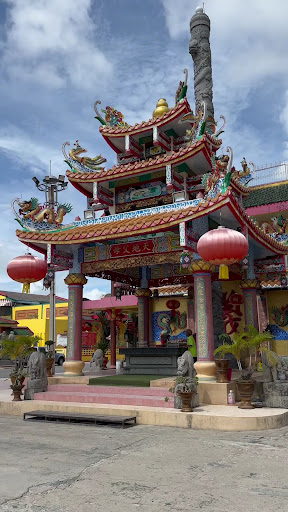
The Chao Mae Lim Ko Niao Shrine in Pattani, Thailand, holds significant cultural and religious importance in the region. Situated in the heart of Pattani City, this revered shrine is dedicated to Chao Mae Lim Ko Niao, a legendary figure revered by locals for her benevolence and miraculous powers. The shrine serves as a focal point for worship, pilgrimage, and community gatherings, attracting devotees and visitors from across Thailand and beyond.
The history of the Chao Mae Lim Ko Niao Shrine is shrouded in myth and folklore, with various legends surrounding its origins. According to popular belief, Chao Mae Lim Ko Niao was a virtuous woman who lived during the Ayutthaya period. She was known for her compassion towards the poor and needy, as well as her ability to grant wishes and offer protection to those who sought her blessings. Over time, her reputation grew, and she became venerated as a deity, with devotees building shrines and temples in her honor.
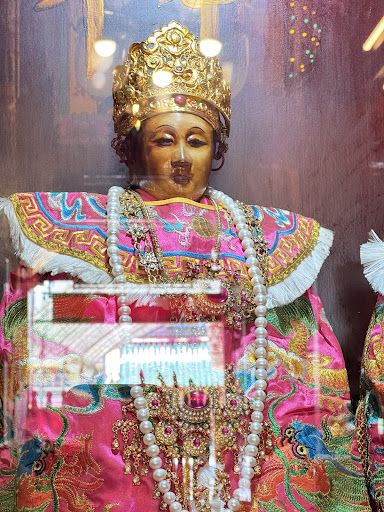
Today, the Chao Mae Lim Ko Niao Shrine stands as a testament to the enduring reverence for this revered figure. The shrine's architecture reflects traditional Thai design, with ornate decorations, intricate carvings, and vibrant colors adorning its exterior. Inside the shrine, devotees offer prayers, incense, and floral tributes to Chao Mae Lim Ko Niao, seeking her blessings for prosperity, good fortune, and protection from harm.
One of the most distinctive features of the Chao Mae Lim Ko Niao Shrine is its role as a center of cultural and religious diversity. While primarily a Chinese shrine, it also welcomes worshippers from different ethnic and religious backgrounds, reflecting the multicultural fabric of Pattani and its surrounding regions. During religious festivals and special occasions, the shrine comes alive with vibrant celebrations, including colorful processions, traditional music, and cultural performances, fostering a sense of unity and harmony among the community.
In addition to its spiritual significance, the Chao Mae Lim Ko Niao Shrine plays a vital role in the social and economic life of Pattani. The shrine attracts pilgrims and tourists throughout the year, contributing to the local economy through tourism-related activities such as souvenir shops, street vendors, and hospitality services. Furthermore, the shrine serves as a venue for community events, charitable activities, and cultural exchanges, strengthening ties within the local community and promoting understanding and cooperation among different ethnic and religious groups.
The Chao Mae Lim Ko Niao Shrine also serves as a symbol of resilience and continuity in the face of historical challenges and cultural changes. Despite periods of political unrest and social upheaval, the shrine has remained a beacon of hope and spirituality for generations of worshippers, embodying the enduring traditions and values of the Thai-Chinese community in Pattani. Through preservation efforts and community initiatives, the shrine continues to thrive as a sacred site and cultural landmark, preserving its heritage for future generations to cherish and appreciate.
As Pattani embraces modernity and development, the Chao Mae Lim Ko Niao Shrine remains a steadfast reminder of the region's rich cultural heritage and spiritual legacy. Its significance transcends religious boundaries, serving as a symbol of unity, tolerance, and mutual respect in a diverse and dynamic society. Whether visited for religious purposes, cultural exploration, or simply to admire its beauty and history, the Chao Mae Lim Ko Niao Shrine holds a special place in the hearts of locals and visitors alike, embodying the timeless allure of Pattani's...
Read moreA Journey to the Heart of Faith: Lim Ko Niao Shrine, Pattani
Hidden in the quiet town of Pattani, far from the bustling tourist trails of Thailand, stands a humble yet powerful symbol of faith and heritage – Lim Ko Niao Shrine. Though modest in size, this more-than-400-year-old shrine carries with it a legend, a culture, and a spirit that draws pilgrims and visitors alike year after year.
The story of Lim Ko Niao begins with a tale of love, loyalty, and longing. According to local legend, Lim Ko Niao was a Chinese woman who sailed to Siam to find her brother, Lim To Khiam, who had settled and converted in the southern kingdom. Upon discovering that he had turned away from his ancestral beliefs, she pleaded for him to return. But when her pleas were in vain, her heart broke. It is said she took her own life near the riverbank where the shrine now stands – and from that moment, her spirit was believed to protect the people of Pattani.
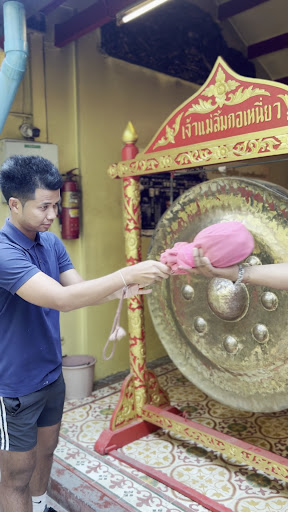
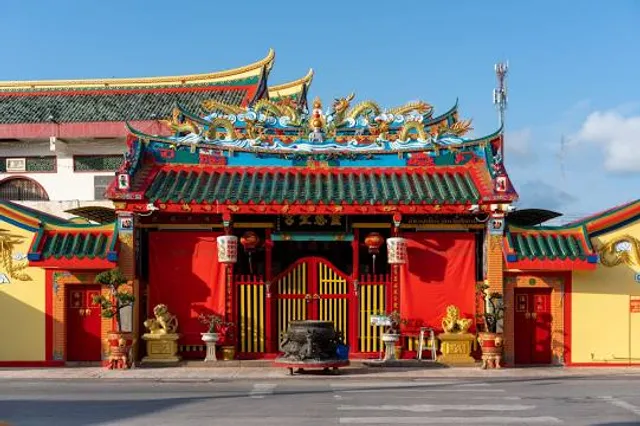
Walking through the red archway of the shrine, one feels an immediate sense of peace and reverence. Incense swirls in the air. Bells chime softly. Devotees light candles, whispering prayers for protection, good fortune, or success in business and studies. The scent of devotion hangs gently in the breeze.
Beyond its spiritual pull, Lim Ko Niao Shrine is a living museum of Chinese-Thai heritage. Its architecture, with sweeping roofs, dragon motifs, and red-brick walls, reflects a world where two cultures meet and harmonize. Every detail speaks of the generations that have passed, of families who have returned year after year to honor the spirit of a woman who became a guardian of their land.
One of the most vibrant times to visit is during the annual Lim Ko Niao Festival, held in the third lunar month. The city comes alive with dragon dances, firecrackers, and colorful processions. The energy is contagious. It is not just a festival – it is a homecoming of hearts, a celebration of cultural roots.
In a region often misunderstood, Lim Ko Niao Shrine is a reminder that faith, identity, and beauty endure. It invites all – local or foreign – to pause, reflect, and connect with something timeless.
⸻
🇹🇭 ศรัทธาที่ไม่ลบเลือน ณ ศาลเจ้าแม่ลิ้มกอเหนี่ยว ปัตตานี
กลางเมืองเล็กๆ แห่งหนึ่งในภาคใต้ของประเทศไทย มีศาลเจ้าเก่าแก่ที่ตั้งอยู่อย่างสงบเงียบ แต่เปี่ยมด้วยพลังแห่งศรัทธาและประวัติศาสตร์ นั่นคือ ศาลเจ้าแม่ลิ้มกอเหนี่ยว ศาลเจ้าที่มีอายุยาวนานกว่า 400 ปี และเป็นหัวใจทางจิตวิญญาณของผู้คนในจังหวัดปัตตานีและใกล้เคียง
ตำนานของเจ้าแม่ลิ้มกอเหนี่ยวเริ่มต้นจากเรื่องราวของความรักและความภักดี นางเดินทางจากจีนมายังสยาม เพื่อตามหาพี่ชายที่จากบ้านเกิดมาใช้ชีวิตใหม่ในปัตตานี และได้เปลี่ยนความเชื่อของตนไป นางพยายามเกลี้ยกล่อมให้เขากลับบ้าน แต่ก็ไม่สำเร็จ ด้วยหัวใจที่เจ็บปวดและผิดหวัง จึงตัดสินใจปลิดชีพตนเองที่ริมแม่น้ำ ซึ่งภายหลังกลายเป็นที่ตั้งของศาลเจ้าแห่งนี้
เมื่อเดินผ่านซุ้มประตูสีแดงของศาลเจ้าเข้าไป จะสัมผัสได้ถึงความสงบและพลังงานที่แฝงอยู่ในสถานที่แห่งนี้ ควันธูปลอยคลุ้ง เสียงกระดิ่งลมเบาๆ ดังสะท้อนความเงียบงัน ผู้คนมากมายมากราบไหว้ ขอพรเรื่องการงาน การเรียน ความปลอดภัย และสุขภาพจิตใจ
ศาลเจ้าแห่งนี้ไม่เพียงแต่เป็นที่พึ่งทางใจ แต่ยังเป็นสัญลักษณ์ของมรดกทางวัฒนธรรมไทย-จีนอีกด้วย หลังคาทรงจีน มังกรที่สลักไว้ตามเสา และผนังอิฐสีแดง ล้วนเล่าถึงรากเหง้าและความสัมพันธ์ของคนในพื้นที่ได้อย่างลึกซึ้ง
ช่วงเวลาที่คึกคักที่สุดของศาลเจ้า คือในเทศกาล สมโภชเจ้าแม่ลิ้มกอเหนี่ยว จัดขึ้นทุกปีในเดือน 3 ตามปฏิทินจีน เมืองปัตตานีจะคึกคักไปด้วยขบวนแห่ มังกรเชิด ดอกไม้ไฟ และกิจกรรมวัฒนธรรมที่สะท้อนความเป็นจีนแท้ ๆ ผู้คนต่างหลั่งไหลกันมาอย่างไม่ขาดสาย
แม้ในพื้นที่ที่เคยเผชิญความท้าทาย ศาลเจ้าแห่งนี้ยังคงยืนหยัดเป็นสัญลักษณ์ของความศรัทธา ความหวัง และวัฒนธรรมที่ไม่ลบเลือน ไม่ว่าคุณจะเป็นใคร มาจากที่ใด...
Read moreDer Leng Chu Kiang Schrein in Pattani, wo Lim Ko Niao verehrt wird. Lim Ko Niao ( chinesisch : 林 姑娘 ; lit. 'Maiden Lin', thailändisch : เจ้าแม่ ลิ้ม กอ เหนี่ยว), alternativ Lin Guniang oder Lim Kor Niaw und auch Lim Kun Yew genannt, ist eine Gottheit, die vom chinesischen Volk in Südthailand verehrt wird. Sie soll die Schwester von Lim Toh Khiam gewesen sein, die der Legende nach Selbstmord begangen hatte, nachdem sie ihren Bruder nicht überredet hatte, nach Hause zurückzukehren, und später von den ethnischen chinesischen Gemeinden in Südthailand als Göttin für ihren Sinn verehrt wurde von kindlicher Frömmigkeit und patriotischem Gefühl für China. In Pattani gibt es einen Schrein, den Leng Chu Kiang-Schrein und ein ihr gewidmetes Museum. Verehrten sie für ihren Sinn für kindliche Frömmigkeit und Patriotismus. Ihr Grabstein, der angeblich von ihrem Bruder erbaut wurde und sich neben der Krue-Se-Moschee befindet, stammt aus dem Jahr 1574, wurde aber wahrscheinlich im frühen 20. Jahrhundert geschaffen. Es wird angenommen, dass sie ursprünglich in der Nähe des Hafens begraben wurde, der seitdem vom Meer überschwemmt wurde, und das Grab dann um 1919 neben die Krue-Se-Moschee verlegt wurde. Lim Ko Niao soll die Schwester von Lim Toh Khiam sein, einem chinesischen Piraten aus der Ming-Dynastie, der sich im 16. Jahrhundert im Königreich Patani niederließ. Ihre Existenz als tatsächliche Person ist nicht bekannt und ihr Vorname ist nicht klar (Ko Niao oder Guniang bedeutet "Jungfrau" oder "junge Frau"); Einige Quellen behaupteten, ihr Vorname sei Cizhen (慈 貞), aber eine separate Geschichte mit Lim Toh Khiam aus Taiwan erzählt von einer Schwester namens Jinlian (金蓮). Der Legende nach suchte Lim Ko Niao nach Lim Toh Khiam, als ihre Mutter krank wurde, und schwor, nicht zurückzukehren, bis sie ihn zurückgebracht hatte. Sie fand Lim Toh Khiam in Patani, wo er die Tochter des Sultans geheiratet hatte, zum Islam konvertiert war und eine Moschee für die Königin baute. Er weigerte sich jedoch zurückzukehren, und sie beging Selbstmord, indem sie an einem Janggusbaum hing. Bevor sie starb, soll sie die Moschee, die ihr Bruder baute, verflucht haben, vermutlich die Krue-Se-Moschee, damit sie niemals fertiggestellt werden konnte. In Trauer machten die einheimischen Chinesen später eine Statue von ihr an dem Baum, den sie selbst aufgehängt hatte, und schufen einen kleinen Schrein für sie und...
Read more