Amasra Fortress things to do, attractions, restaurants, events info and trip planning
Basic Info
Amasra Fortress
Kaleiçi, 74300 Amasra/Bartın, Türkiye
4.5(732)
Open until 12:00 AM
Save
spot
spot
Ratings & Description
Info
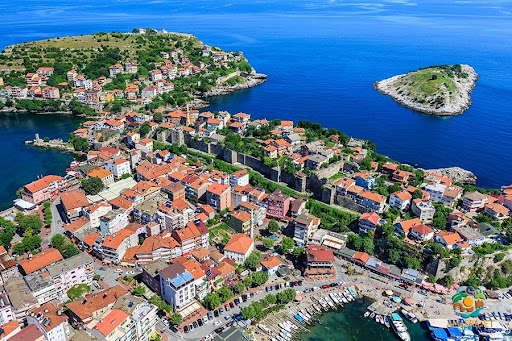
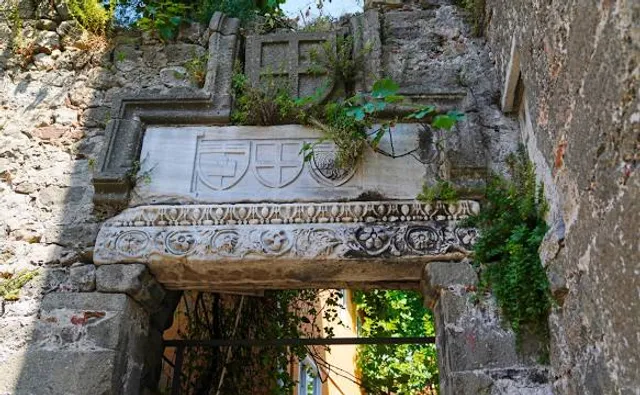
Amasra Fortress or Amasra Castle is located in the Amasra district of Bartın, on the Black Sea coast of Turkey. It was built by the Romans and later restored by the Byzantines, Genoese and Ottomans. It consists of two parts: Sormagir Castle and Zindan Castle.
Cultural
Outdoor
Scenic
Family friendly
attractions: Amasra Merkez, Cenova Şatosu, Kemere Bridge, Barış Akarsu Park, Büyük Liman Beach, Amasra Museum, restaurants: Çeşmi Cihan Restaurant, Lotis Balık Restaurant, Nurşen Hanım'ın Yeri, Balikcinin Yeri, Amasra Sofrası, Mustafa Amca'nın Yeri - Canlı Balık Restaurant, Amasra Kahvaltı Restoran Turgut Reis Cafe, -Günbatımı Balık- Restoran “İbrahim Amca’nın yeri”, PIERWOOD CAFE, Mavi Yeşil Restaurant, local businesses: Amasra Deniz Feneri, Weeping Tree, Amasra Beach, Amastrist
 Learn more insights from Wanderboat AI.
Website
sesamos.wixsite.com
Open hoursSee all hours
TueOpen 24 hoursOpen
Plan your stay

Pet-friendly Hotels in Amasra
Find a cozy hotel nearby and make it a full experience.

Affordable Hotels in Amasra
Find a cozy hotel nearby and make it a full experience.

The Coolest Hotels You Haven't Heard Of (Yet)
Find a cozy hotel nearby and make it a full experience.

Trending Stays Worth the Hype in Amasra
Find a cozy hotel nearby and make it a full experience.
Reviews
Nearby attractions of Amasra Fortress
Amasra Merkez
Cenova Şatosu
Kemere Bridge
Barış Akarsu Park
Büyük Liman Beach
Amasra Museum
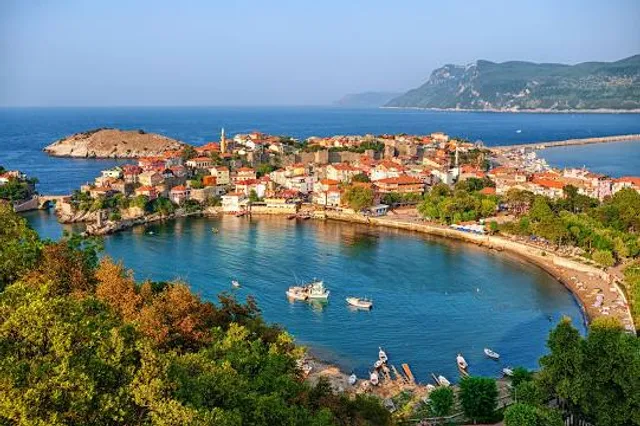
Amasra Merkez
4.5
(592)
Open 24 hours
Click for details
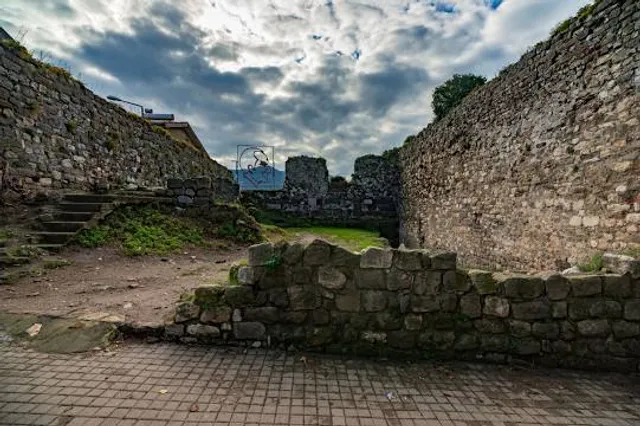
Cenova Şatosu
4.2
(57)
Open until 12:00 AM
Click for details
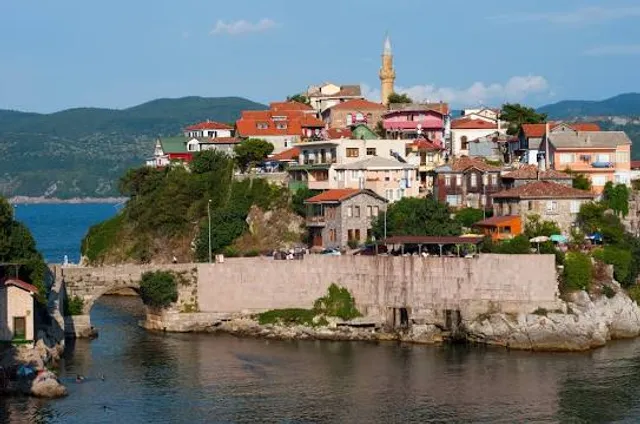
Kemere Bridge
4.6
(1.6K)
Open until 12:00 AM
Click for details
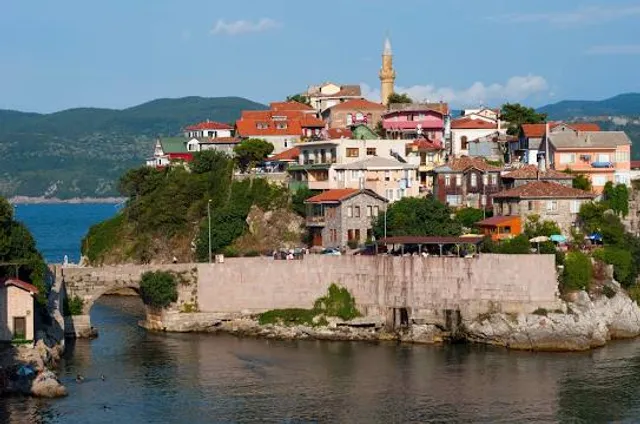
Barış Akarsu Park
4.5
(222)
Open 24 hours
Click for details
Nearby restaurants of Amasra Fortress
Çeşmi Cihan Restaurant
Lotis Balık Restaurant
Nurşen Hanım'ın Yeri
Balikcinin Yeri
Amasra Sofrası
Mustafa Amca'nın Yeri - Canlı Balık Restaurant
Amasra Kahvaltı Restoran Turgut Reis Cafe
-Günbatımı Balık- Restoran “İbrahim Amca’nın yeri”
PIERWOOD CAFE
Mavi Yeşil Restaurant
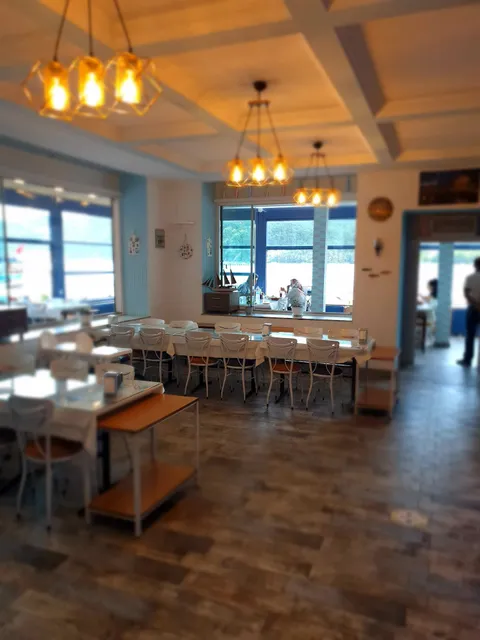
Çeşmi Cihan Restaurant
3.7
(917)
$$
Open until 1:00 AM
Click for details
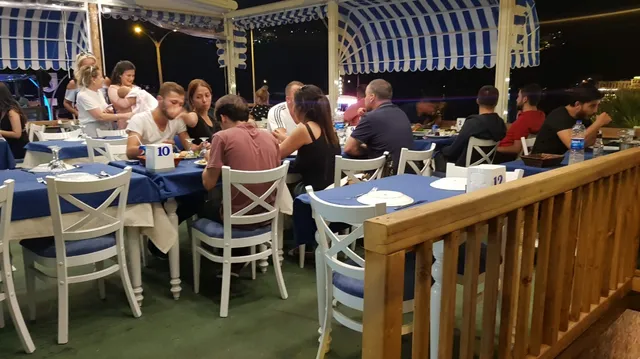
Lotis Balık Restaurant
4.3
(300)
Open until 2:00 AM
Click for details
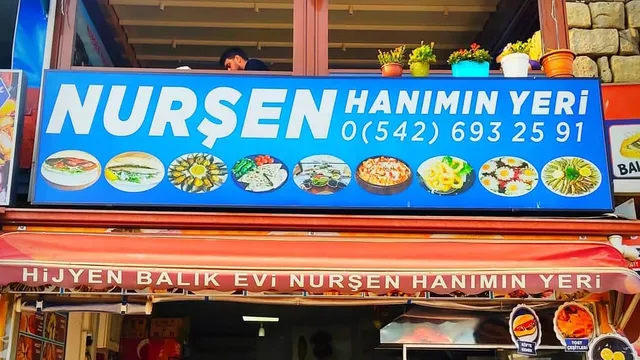
Nurşen Hanım'ın Yeri
3.8
(159)
Open until 2:00 AM
Click for details
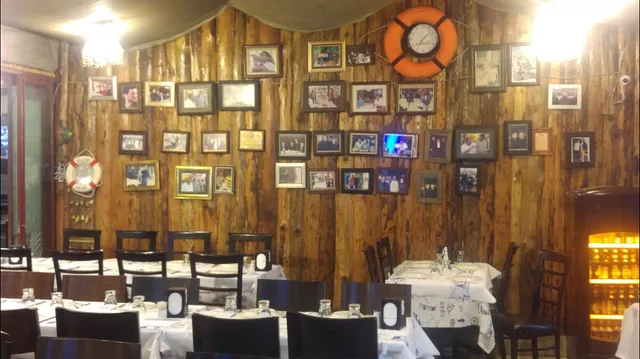
Balikcinin Yeri
2.7
(199)
Open until 1:00 AM
Click for details
Nearby local services of Amasra Fortress
Amasra Deniz Feneri
Weeping Tree
Amasra Beach
Amastrist
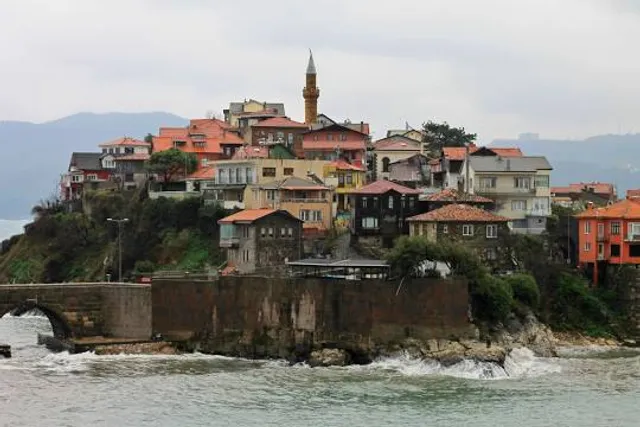
Amasra Deniz Feneri
4.5
(97)
Click for details
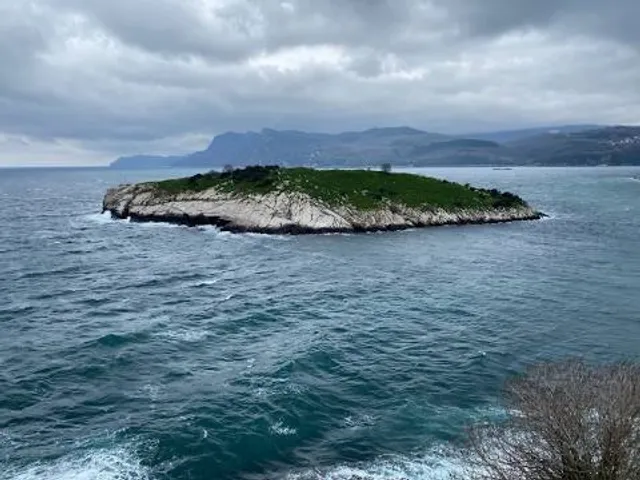
Weeping Tree
4.1
(953)
Click for details
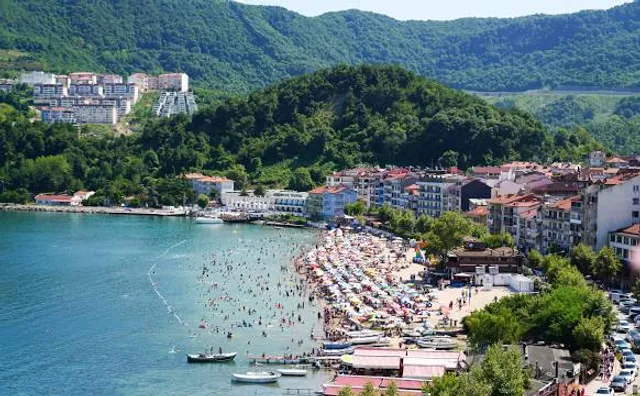
Amasra Beach
4.0
(87)
Click for details
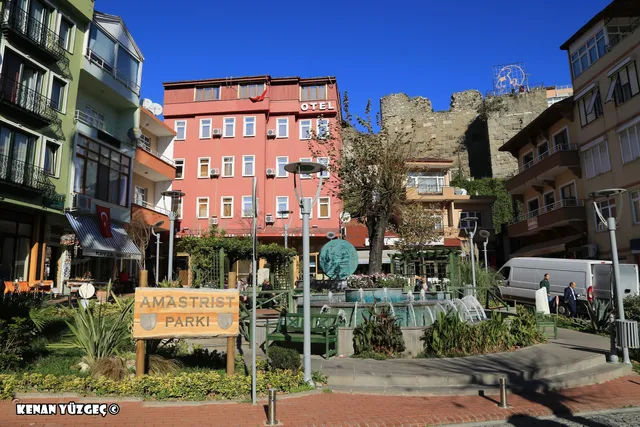
Amastrist
4.5
(8)
Click for details