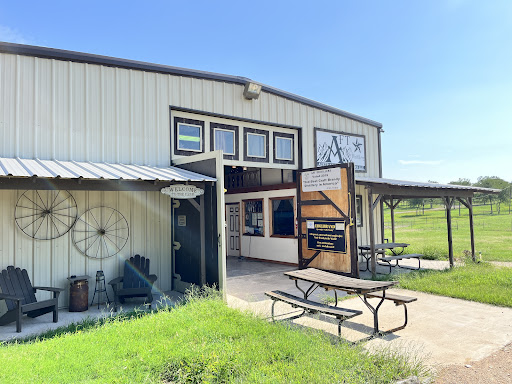
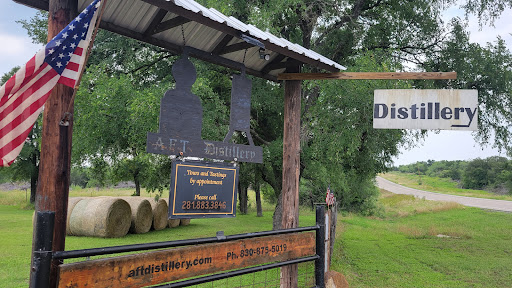
It was a sunny Saturday afternoon when I made a phone call to a distillery in Luling, TX. I had meant to explore another distillery in Texas, but I accidentally stumbled upon a giant hidden gem.
Before going into the second spirit run, allow me—a holder of a B.S. and M.S. in chemistry—to briefly review some general chemistry for you. The boiling point of water is 100 °C, ethanol (EtOH) is 78.4 °C, and methanol (MeOH) is 64.7 °C. Methanol is toxic and can cause blindness. A mixture of water and ethanol exhibits a boiling point that varies with composition, showing non-ideal behavior due to intermolecular interactions, particularly hydrogen bonding. Ethanol and water form a binary azeotrope at about 95.6% ethanol by mass. The fermented mash is a complex mixture containing water, alcohols (any compound with an -OH group), as well as ethers, esters, acids, sugars, and even tannins or sulfur compounds like dimethyl sulfide, making the situation far more chemically intricate.
The second distillery is more interesting. It contains three parts as temperature and time increases: head, heart, and tail. The head contain the toxic methanol that we want to remove. Industry process usually cuts off at a higher 85°C (the bp of pure methanol is 64.7 °C) to fully remove methanol. However, the esters (e.g., ethyl acetate, isoamyl acetate) and aldehydes (e.g., acetaldehyde, furfural) that contribute to the fruity and floral aroma of the liquor also begin to evaporate within this temperature window, and since every batch is a mixture of different condition, the master have to track the process by tasing the product every hour, to every 30 mins, to every 5 mins, to every 30 second. And the master will bring the bucket to start collecting the heart part that just free from methanol but keep most of the fruity and floral aroma compounds.
The second point to make the cut is between heart and tail, where it full of heavier, often problematic compounds such as higher alcohols (like isoamyl, butanol, propanol), fatty acids (caprylic, lauric acid), heavy esters (phenols, tannins), and sulfur compounds that can have rubbery, burnt-match, or rotten-egg odors. If we cutoff too earlier (at too low temperature), we lost flavor compounds (esters, aldehydes) that carry perceived sweetness or fruity notes.
After distillation, the liquor is aged for 7 to 18 months depending on the condition of each batch. There’s an interesting challenge in how to introduce oak flavor into the liquor without incurring the typical “angel’s share” loss, which can be as high as 20% in standard bourbon aging. Edelbrand is a high-end liquor that cannot afford such loss, so it’s aged in stainless steel tanks. KC consulted a friend who makes cabinets in California and came up with a process: instead of aging the liquor in barrels made from American white oak, they cut the oak into spiral strips, lightly toast them, and then soak them in the liquor inside the stainless tank. The amount of oak must be carefully controlled to avoid overpowering the delicate fruit aromas with excessive wood character.
I tasted six varieties: the clear apple, pear, and cherry, and the oaked versions of each. I was surprised that I could smell the apple as soon as KC opened a half-filled bottle—standing three feet away from me. The clear pear had a layered complexity, while the clear cherry didn’t smell like cherry at first, but the flavor emerged in the mouth after a moment. Among the oaked ones, the apple oak opens with oak and finishes with apple; the pear oak is the opposite—pear first, then oak; and the cherry oak is beautifully balanced, with both flavors present all the way through.
I ended up spending almost $85 that afternoon—a lot for a graduate student, but I was satisfied. The tasting was $22, and the clear apple bottle was $44, plus tax and a $10 tip. I was truly grateful that Mr. KC himself spent two hours with me, a single customer. If I have the chance to visit again, I will definitely bring friends along...
Read more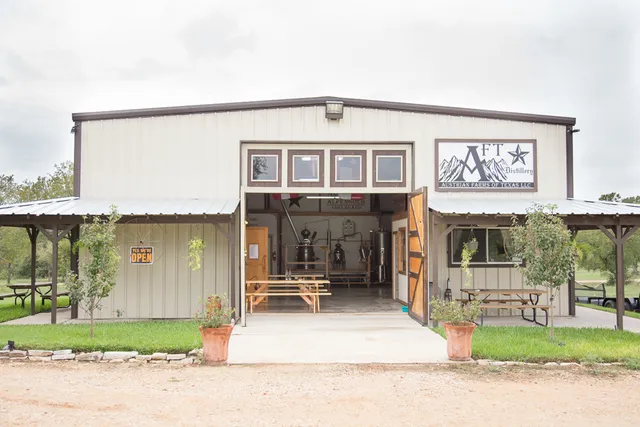
 Learn more insights from Wanderboat AI.