Pollepel Island things to do, attractions, restaurants, events info and trip planning
Basic Info
Pollepel Island
Fishkill, NY 12508
4.7(46)
Save
spot
spot
Ratings & Description
Info
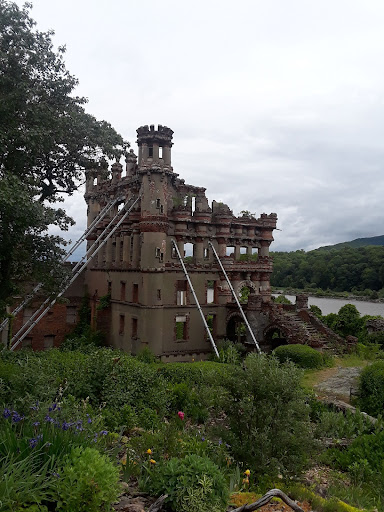
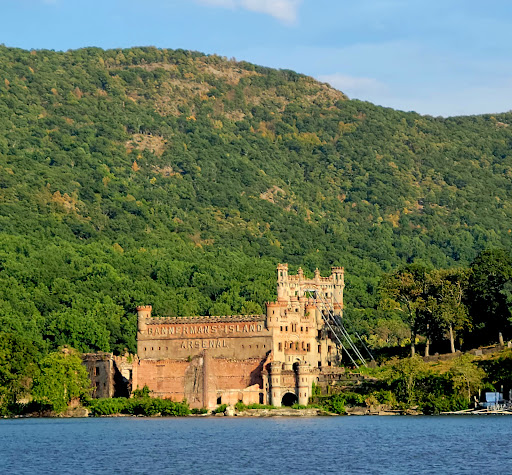
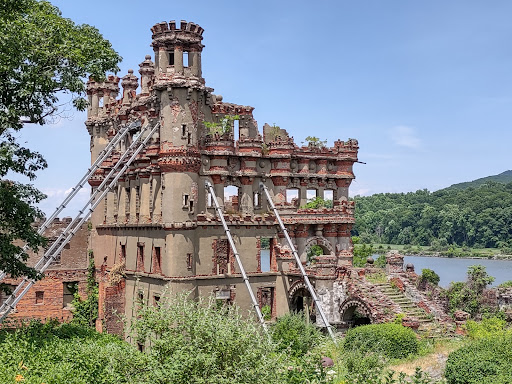
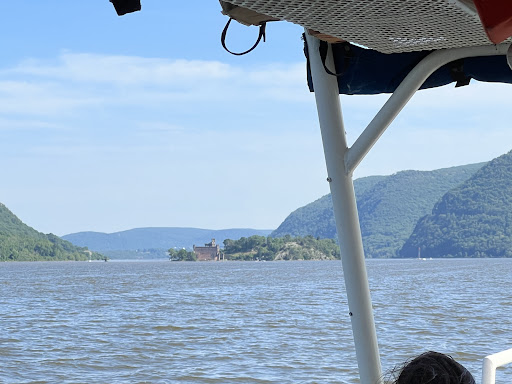
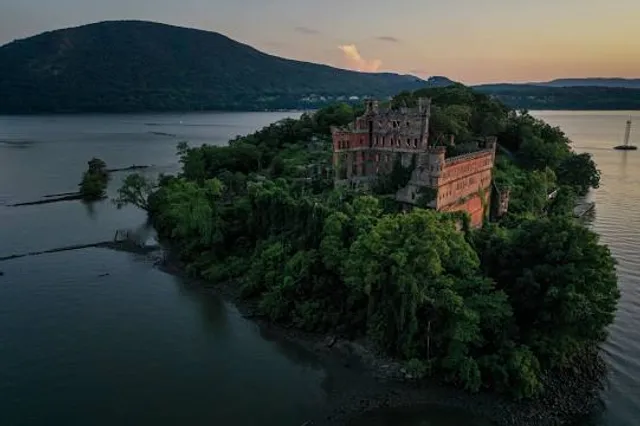
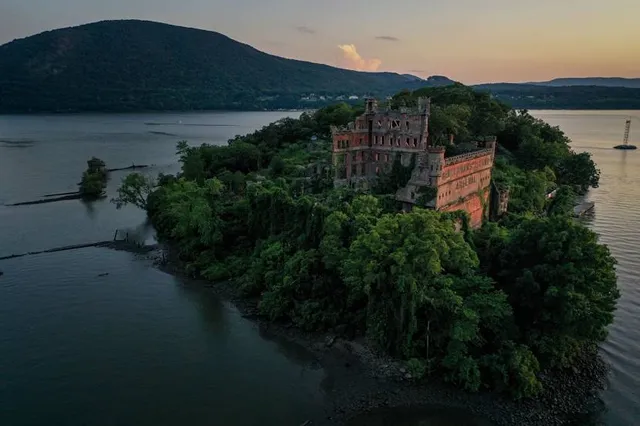
Pollepel Island is a 6.5-acre uninhabited island in the Hudson River in New York. The principal feature on the island is Bannerman's Castle, an abandoned military surplus warehouse.
Outdoor
Adventure
Scenic
Off the beaten path
attractions: Bannerman Castle, restaurants: , local businesses:
 Learn more insights from Wanderboat AI.
Plan your stay

Pet-friendly Hotels in Town of Fishkill
Find a cozy hotel nearby and make it a full experience.

Affordable Hotels in Town of Fishkill
Find a cozy hotel nearby and make it a full experience.

The Coolest Hotels You Haven't Heard Of (Yet)
Find a cozy hotel nearby and make it a full experience.

Trending Stays Worth the Hype in Town of Fishkill
Find a cozy hotel nearby and make it a full experience.
Reviews
Live events

Hudson Valley Wingfest
Sat, Jan 31 • 5:00 PM
14 Civic Center Plaza Poughkeepsie, NY 12601
View details

Savage Wonder Presents, The Soul Jam
Thu, Jan 8 • 8:30 PM
141 Main St, 141 Main Street, Beacon, United States
View details

Vinyl Night at Industrial Arts Brewing Co.
Mon, Jan 26 • 6:00 PM
511 Fishkill Avenue Beacon, NY 12508
View details
Nearby attractions of Pollepel Island
Bannerman Castle
Bannerman Castle
4.7
(419)
Open 24 hours
Click for details