

HTML SitemapExplore
logo
Find Things to DoFind The Best Restaurants

​​Aeminium Underground Pillars | A Roman Architectural Legacy​​ 🏛️

📍 ​​Location:​​ Alta de Coimbra, Coimbra, Portugal – Currently situated beneath the Machado de Castro National Museum (MNMC), this site was once part of the ​​Forum Augustum​​, the Roman Forum of Aeminium (ancient Coimbra). ​​Historical Context & Architectural Phases​​ ⏳ ​​Foundations Under Augustus (Early 1st Century AD)​​ Built during the reign of ​​Emperor Augustus​​ (27 BC – 14 AD), this underground pillared structure served as a ​​core urban engineering project​​ for Aeminium. Its functions included: ✔ Supporting elevated plaza buildings ✔ Providing storage space & hidden passageways ✔ Utilizing ​​Roman arches​​ with local granite & travertine stone Some walls still bear traces of ​​ancient plasterwork​​—a glimpse into Roman craftsmanship. 🏗️ 🦴 Fun Fact: The Romans were master engineers—this pillar system helped stabilize the forum above while creating functional underground spaces. ​​Claudian Expansion (Mid-1st Century AD, 41–54 AD)​​ Under ​​Emperor Claudius​​ (41–54 AD), the structure was ​​expanded with seamless integration​​ into Augustus’ original design, forming a ​​more complex subterranean network​​. ​​Key Upgrades:​​ 🔹 ​​Structural Reinforcement:​​ Cross-vaults added for extra load-bearing capacity 🔹 ​​Functional Additions:​​ Drainage systems & ventilation shafts (possibly for wine cellars or grain storage) 🔹 ​​Decorative Refinements:​​ Marble fragments suggest ​​imperial-era aesthetic upgrades​​ 💡 Historical Insight: This expansion reflects Rome’s growing influence—blending practicality with elegance. ​​Decline & Transformation (Late 4th–5th Century AD)​​ As the ​​Western Roman Empire crumbled​​, the pillared hall was abandoned. By the ​​5th century​​, its upper levels were replaced by a ​​medieval bishop’s palace​​, while the underground section continued as a ​​cellar​​ until modern times. ⚰️ Fading Glory: The fall of Rome marked the end of its original purpose—but its legacy lives on beneath Coimbra. ​​Why Visit?​​ 🤔 Walk through ​​2,000-year-old Roman engineering​​ See ​​ancient stonework & hidden passages​​ Imagine life in Augustus’ and Claudius’ eras 📸 Perfect for history buffs, archaeology lovers, and curious travelers! #Museum #ArtAndArchaeology #RomanHistory #PortugalTravel #AncientArchitecture #HeritageSites #Coimbra #RomanEmpire #HistoryGeek
Related posts
Visit the Coimbra Old Cathedral ​​Rusty Lake Hotel in Brisbane's Garden City​​ 🕯️​​🇵🇹 Coimbra's Best Korean Fried Chicken 🍗✨Fado performance🇵🇹 Coimbra Travel Guide - Must-See Gems!Visit Coimbra
Genesis Cox
Genesis Cox
6 months ago
Genesis Cox
Genesis Cox
6 months ago
no-comment

No one has commented yet...

​​Aeminium Underground Pillars | A Roman Architectural Legacy​​ 🏛️

📍 ​​Location:​​ Alta de Coimbra, Coimbra, Portugal – Currently situated beneath the Machado de Castro National Museum (MNMC), this site was once part of the ​​Forum Augustum​​, the Roman Forum of Aeminium (ancient Coimbra). ​​Historical Context & Architectural Phases​​ ⏳ ​​Foundations Under Augustus (Early 1st Century AD)​​ Built during the reign of ​​Emperor Augustus​​ (27 BC – 14 AD), this underground pillared structure served as a ​​core urban engineering project​​ for Aeminium. Its functions included: ✔ Supporting elevated plaza buildings ✔ Providing storage space & hidden passageways ✔ Utilizing ​​Roman arches​​ with local granite & travertine stone Some walls still bear traces of ​​ancient plasterwork​​—a glimpse into Roman craftsmanship. 🏗️ 🦴 Fun Fact: The Romans were master engineers—this pillar system helped stabilize the forum above while creating functional underground spaces. ​​Claudian Expansion (Mid-1st Century AD, 41–54 AD)​​ Under ​​Emperor Claudius​​ (41–54 AD), the structure was ​​expanded with seamless integration​​ into Augustus’ original design, forming a ​​more complex subterranean network​​. ​​Key Upgrades:​​ 🔹 ​​Structural Reinforcement:​​ Cross-vaults added for extra load-bearing capacity 🔹 ​​Functional Additions:​​ Drainage systems & ventilation shafts (possibly for wine cellars or grain storage) 🔹 ​​Decorative Refinements:​​ Marble fragments suggest ​​imperial-era aesthetic upgrades​​ 💡 Historical Insight: This expansion reflects Rome’s growing influence—blending practicality with elegance. ​​Decline & Transformation (Late 4th–5th Century AD)​​ As the ​​Western Roman Empire crumbled​​, the pillared hall was abandoned. By the ​​5th century​​, its upper levels were replaced by a ​​medieval bishop’s palace​​, while the underground section continued as a ​​cellar​​ until modern times. ⚰️ Fading Glory: The fall of Rome marked the end of its original purpose—but its legacy lives on beneath Coimbra. ​​Why Visit?​​ 🤔 Walk through ​​2,000-year-old Roman engineering​​ See ​​ancient stonework & hidden passages​​ Imagine life in Augustus’ and Claudius’ eras 📸 Perfect for history buffs, archaeology lovers, and curious travelers! #Museum #ArtAndArchaeology #RomanHistory #PortugalTravel #AncientArchitecture #HeritageSites #Coimbra #RomanEmpire #HistoryGeek

Coimbra
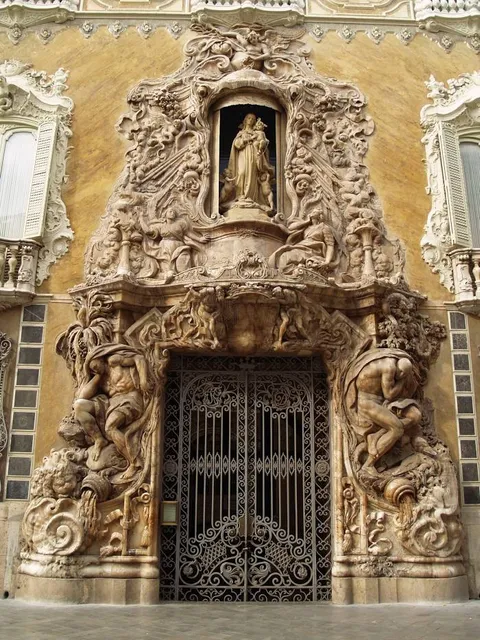
Museu Nacional de Ceràmica i de les Arts Sumptuàries Gonzàlez Martí
Museu Nacional de Ceràmica i de les Arts Sumptuàries Gonzàlez MartíMuseu Nacional de Ceràmica i de les Arts Sumptuàries Gonzàlez Martí